Halal Chocolate Ingredient Checker
Select the ingredients you see on your chocolate packaging to check their status.
There is a persistent myth floating around social media and casual conversations that Muslims are forbidden from eating chocolate. You might have heard someone say, "Oh, I can't eat that, it's not halal," while pointing at a bar of milk chocolate. It creates confusion, especially for non-Muslims who love sharing treats with their Muslim friends or family members. The short answer is: Muslims can eat chocolate. In fact, millions of Muslims enjoy it every day. However, the question isn't about the cocoa bean itself; it’s about what else is hiding inside the wrapper.
To understand why this misconception exists, we need to look closer at how chocolate is made and what ingredients are considered permissible (halal) or prohibited (haram) in Islamic dietary laws. This guide breaks down the real reasons behind halal chocolate concerns, explains which ingredients to watch out for, and helps you navigate grocery aisles with confidence. Whether you are preparing festive Indian sweets like gulab jamun infused with cocoa or just buying a gift, knowing the details matters.
The Core Ingredients: Cocoa is Naturally Halal
Let's start with the basics. The primary ingredient in chocolate is cocoa, derived from the cacao bean. Cacao beans are plants. In Islamic law, all plant-based foods are inherently halal unless they are toxic or intoxicating. Cocoa is neither. Sugar, milk powder, and vanilla extract are also generally halal. If chocolate were made only from these three ingredients, there would be zero debate. Every Muslim could eat it without hesitation.
So, where does the problem come from? The issue arises during processing. Modern industrial chocolate manufacturing often adds emulsifiers, flavorings, and texturizers to improve shelf life, texture, and taste. Some of these additives are derived from animal sources. If those animals were not slaughtered according to Islamic rites, or if the animal was pork-derived, the entire product becomes haram (forbidden).
The Gelatin Problem: Why Texture Matters
The most common culprit in non-halal chocolate is gelatin. Gelatin is a protein obtained by boiling skin, tendons, ligaments, and bones-usually from pigs or cattle that haven't been slaughtered Islamically. Manufacturers use gelatin as a gelling agent in certain types of chocolate, particularly:
- Chocolate-coated candies: Gummy bears or marshmallows dipped in chocolate often contain pork gelatin.
- Soft-center chocolates: The gooey filling might use gelatin to hold its shape.
- Some premium milk chocolates: Used as an emulsifier to keep fats and liquids mixed smoothly.
If you buy a standard bar of dark chocolate without fillings, it rarely contains gelatin. But if you pick up a box of assorted truffles or chewy chocolate bars, the risk skyrockets. For a Muslim consumer, finding pork gelatin in a treat is a dealbreaker because consuming pork products is strictly prohibited in the Quran.
Alcohol and Flavorings: The Hidden Risk
Another area of concern is artificial flavoring. Many chocolate brands use natural or artificial flavors to enhance taste. Sometimes, these flavorings are extracted using alcohol as a solvent. While the amount of alcohol remaining in the final product is microscopic and often evaporates during heating, many conservative interpretations of halal guidelines advise avoiding any product with alcohol-derived ingredients, even in trace amounts.
Vanilla extract is a prime example. Pure vanilla extract typically contains around 35% alcohol. If a chocolate manufacturer uses pure vanilla extract instead of vanilla powder or synthetic vanillin, the chocolate may not be certified halal. This is why you see so many specific "Halal Vanilla" products on store shelves today. It’s not just about the smell; it’s about the chemical extraction process.
L-Cysteine: An Unexpected Additive
This one surprises most people. L-cysteine is an amino acid used as a dough conditioner in baked goods, but it also appears in some confectionery items to soften textures. It can be derived from several sources:
- Duck feathers: This is the most common source. Since ducks are not slaughtered in ritualistic ways for food, feather-derived L-cysteine is considered haram by many scholars.
- Hair: Human hair is sometimes used, which is also problematic due to hygiene and ethical standards in halal processing.
- Synthetic fermentation: This method is halal-safe.
Unless the packaging specifies the source of L-cysteine, it is safer for observant Muslims to avoid products listing this ingredient. This highlights why reading labels is not just a habit but a necessity for maintaining dietary compliance.
Understanding Halal Certification Logos
Because checking every ingredient list is time-consuming and confusing, the halal industry developed certification systems. These organizations audit factories to ensure no cross-contamination with haram substances occurs and that all ingredients meet Islamic standards. When shopping, look for these trusted logos:
| Certification Body | Region/Origin | Recognition Level |
|---|---|---|
| JAKIM | Malaysia | Highly recognized globally, especially in Asia |
| HFA (Halal Food Authority) | UK | Trusted in Europe and Commonwealth countries |
| MUI | Indonesia | Major authority for Southeast Asian markets |
| GFCI | USA | Widely seen in North American stores |
If a chocolate bar has one of these stamps, you can trust it. The factory has been inspected, and the supply chain is verified. Without the logo, you are left to guess based on the ingredient list, which is risky given the hidden nature of emulsifiers like E471 (mono- and diglycerides), which can be plant-based or animal-based.
Cross-Contamination in Factories
Even if a chocolate recipe contains no haram ingredients, the production line matters. Many large confectionery companies produce both halal-friendly items and products containing gelatin or alcohol on the same machinery. If the machines aren't cleaned thoroughly between batches, cross-contamination can occur.
For strict halal observers, this is enough to disqualify a product. That’s why dedicated halal facilities exist. They don’t just check the recipe; they control the environment. This is similar to how gluten-free products are handled-they need separate equipment to prevent accidental contamination. When you see a brand market itself as "100% Halal Facility," it means they go beyond ingredient lists and manage the entire physical space.
Popular Brands and Their Status
You might wonder about big names like Cadbury, Lindt, or Hershey's. The status varies by country and specific product line. For instance, Cadbury Dairy Milk in the UK is often considered halal-compliant because they use vegetable-based emulsifiers, but in other regions, formulations differ. Lindt produces specific halal-certified lines for Middle Eastern markets, but their standard Swiss-made bars may not carry certification.
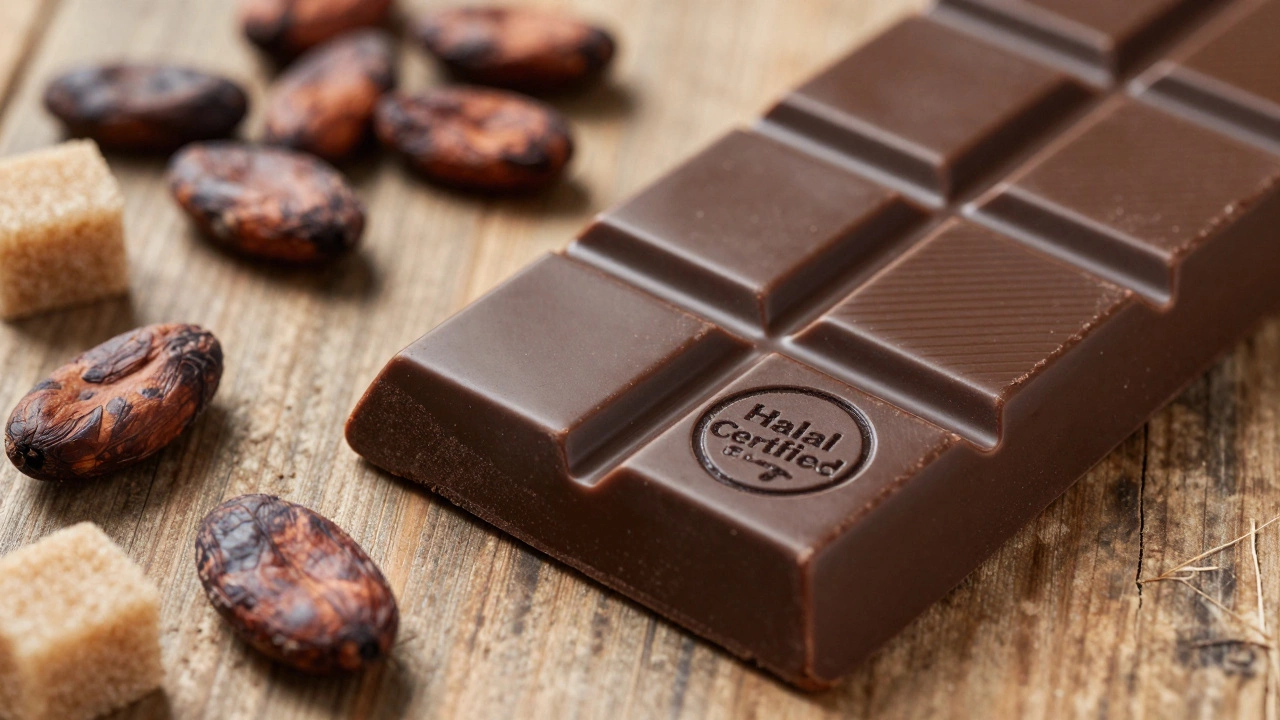
The safest approach? Stick to brands that explicitly state "Halal Certified" on the package. Don't assume that because a brand is popular, it meets your dietary needs. Formulas change, and suppliers switch. A product that was safe last year might use a new gelatin supplier this year.
Indian Sweets and Chocolate Fusion
In India, where Islamic dietary laws intersect with rich culinary traditions, chocolate has found a unique place in festive desserts. Think of chocolate ras malai, chocolate barfi, or even chocolate-infused kheer. When making these at home, you have total control. Use high-quality dark chocolate chips that are certified halal, or make your own cocoa paste from raw cocoa powder and sugar.
For homemade Indian sweets, the risk of hidden gelatin is low because traditional recipes rely on khoya (reduced milk), nuts, and dry fruits. However, if you buy pre-packaged chocolate sprinkles or chocolate sauce for decoration, check the label. Those convenience items are more likely to contain stabilizers derived from animal sources than the solid chocolate bars themselves.
Navigating dietary restrictions doesn't mean missing out on joy. It means being informed. By understanding what makes chocolate halal or haram, you empower yourself to make choices that align with your beliefs without sacrificing flavor. And if you ever find yourself traveling and unsure about local food options, resources like this directory can help you connect with locals who know the best authentic spots, though for food specifically, asking for halal-certified establishments remains your best bet.
Practical Tips for Shopping
- Read the fine print: Look for words like "gelatin," "E441" (which is gelatin), or "natural flavors."
- Prefer dark chocolate: It usually has fewer additives than milk or white chocolate.
- Buy from specialty stores: Halal supermarkets stock verified brands exclusively.
- Use apps: There are smartphone apps that scan barcodes and tell you if a product is halal-certified.
- Contact manufacturers: If in doubt, email the company. Most have customer service teams that can clarify ingredient sources.
Frequently Asked Questions
Is all chocolate haram for Muslims?
No, not all chocolate is haram. Pure cocoa, sugar, and milk are halal. The issue arises only when non-halal additives like pork gelatin or alcohol-based flavorings are used. Many major brands produce halal-certified chocolate.
Can Muslims eat Cadbury chocolate?
It depends on the region and specific product. In many countries, Cadbury uses vegetable-based emulsifiers and is considered halal-compliant, but it may not always carry official certification. Always check the packaging for a halal logo to be sure.
What is the main reason chocolate is not halal?
The main reasons are the presence of gelatin (often from pigs), alcohol-based flavorings, or L-cysteine derived from duck feathers. These ingredients violate Islamic dietary laws regarding slaughter methods and prohibited substances.
How can I identify halal chocolate?
Look for a recognized halal certification logo on the packaging, such as JAKIM, HFA, or MUI. Alternatively, read the ingredient list carefully to ensure there is no gelatin, alcohol, or ambiguous animal-derived additives.
Is dark chocolate safer than milk chocolate for Muslims?
Generally, yes. Dark chocolate tends to have simpler ingredients and fewer emulsifiers than milk chocolate, which often requires additional stabilizers and flavorings. However, you should still check the label for certification or hidden additives.
Are Indian sweets with chocolate always halal?
If made at home with verified ingredients, yes. Traditional Indian sweets like barfi or rasgulla use khoya and sugar, which are halal. However, if you add pre-packaged chocolate sauces or sprinkles, you must verify those specific items are halal-certified.