Biryani Style Selector & Halal Guide
Find Your Perfect Biryani
Interactive ToolSelect your preferences below to discover which regional Biryani matches your palate and understand its Halal characteristics.
Halal Compliance Notes
Have you ever sat down to a plate of aromatic, saffron-infused rice and wondered why it feels like more than just dinner? For millions of Muslims around the world, biryani isn't just a meal; it is a cultural anchor. It appears at weddings, Eid celebrations, Friday prayers, and even funerals. But why this specific dish? Why not plain pulao or a simple curry? The answer lies in a mix of historical necessity, religious dietary laws, and culinary evolution that turned a survival food into a global delicacy.
If you are looking for the reason behind the obsession, it starts with the word "halal." In Islamic tradition, eating well-prepared, permissible food is an act of gratitude. Biryani, when made correctly, fits perfectly into this framework. It uses meat that is slaughtered according to Sharia law, avoids pork and alcohol completely, and often utilizes ingredients that were historically accessible to travelers and traders across the Silk Road. But there is much more to it than just following rules. Let’s unpack the history, the science, and the soul of this dish.
The Historical Roots: From Persia to India
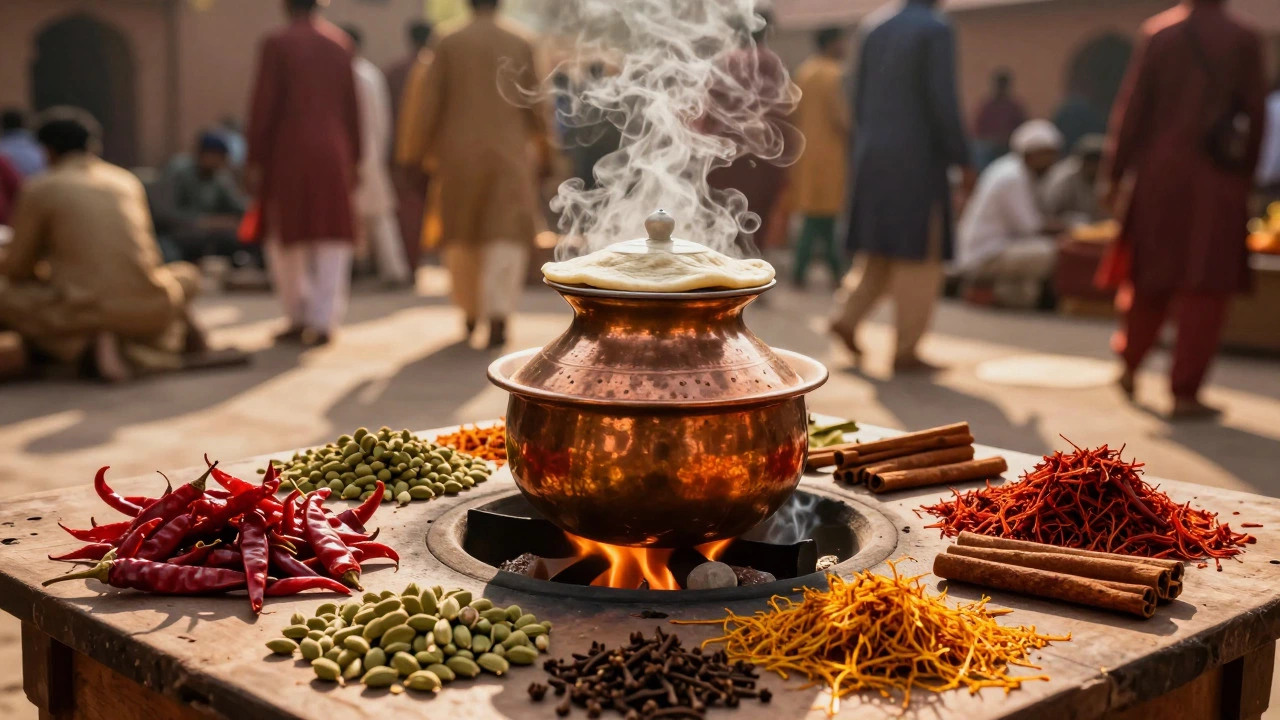
To understand why Muslims eat biryani, we have to look back over a thousand years. The word "biryani" comes from the Persian word birian, which means "fried before cooking." This technique was developed by Persian cooks who needed to preserve food during long military campaigns and journeys. They would partially fry meat and rice, seal them together, and let them cook slowly using their own steam. This method, known as Dum Pukht is a slow-cooking technique where food is sealed in a pot with dough to trap steam and flavors., allowed armies to carry nutritious meals that stayed fresh for days.
When Islamic empires expanded into the Indian subcontinent, particularly with the arrival of Mughal rulers in the 16th century, they brought this culinary tradition with them. The Mughals were known for their lavish courts and love for rich, spiced foods. They combined the Persian dum technique with local Indian spices like cardamom, cloves, cinnamon, and saffron. Over time, regional variations emerged. Hyderabadi biryani became spicy and tangy, while Lucknowi biryani focused on subtle aromatics and tender meat. Each region adapted the dish to local tastes, but the core identity remained tied to its Muslim heritage.
This historical connection is crucial. Biryani represents a fusion of cultures-Persian techniques meeting Indian spices. For Muslims in South Asia, eating biryani is a way of connecting with ancestors who traveled, traded, and ruled across vast distances. It is edible history.
Halal Compliance: More Than Just a Label
One of the primary reasons biryani holds such a special place in Muslim households is its compatibility with Halal Dietary Laws is Islamic guidelines for permissible food and drink, requiring specific slaughter methods and excluding pork and alcohol.. Unlike many other cuisines that might use wine for deglazing pans or pork lard for frying, traditional biryani recipes are naturally free from these prohibited items (haram).
Here is how biryani aligns with halal principles:
- Meat Source: Chicken, mutton, lamb, beef, or goat are all halal meats if slaughtered correctly. Fish and seafood are generally considered halal in most Islamic schools of thought.
- No Alcohol: Traditional biryani does not call for wine or beer. While some modern fusion recipes might experiment with balsamic vinegar (which contains trace alcohol), authentic versions rely on yogurt, lemon juice, or tamarind for acidity.
- Cross-Contamination Avoidance: In a Muslim kitchen, utensils used for biryani are often kept separate from any non-halal items. This ensures purity from preparation to serving.
For a Muslim family, knowing that every ingredient in the biryani is halal provides peace of mind. It transforms the meal from mere sustenance into a spiritually clean act. When you serve biryani at a gathering, you are serving food that everyone can enjoy without worry.
The Science of Dum Cooking: Flavor Lock-In
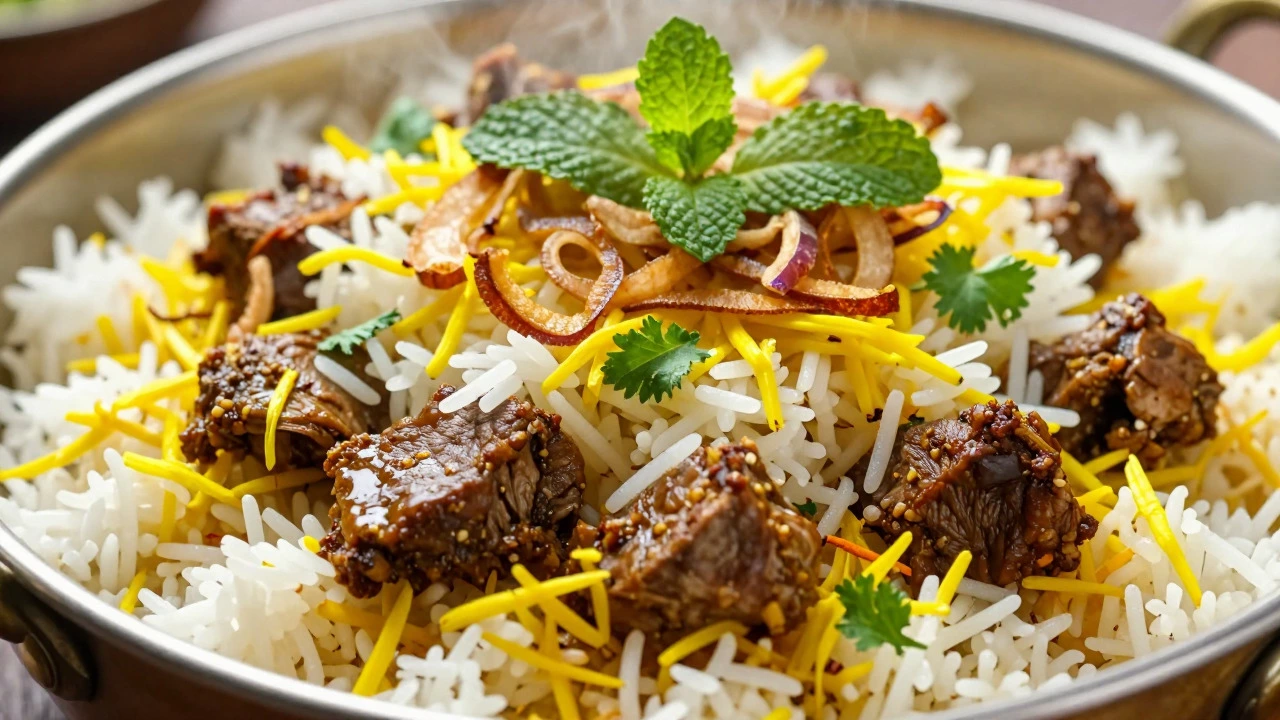
Why do people prefer biryani over other rice dishes? The secret lies in the dum method. Most rice dishes are boiled until the water evaporates. Biryani is different. The rice is parboiled, then layered with cooked meat and spices, and finally sealed in a heavy-bottomed pot (often called a handi) with dough or aluminum foil. As the pot heats up, steam circulates inside, cooking the rice further and infusing it with the juices from the meat below.
This process creates a unique flavor profile. The rice absorbs the fat and spices from the meat, while the meat stays incredibly tender because it doesn’t dry out. The result is a dish where every grain of rice is distinct yet flavorful, and the meat falls off the bone. It is a masterclass in moisture retention and flavor distribution.
From a practical standpoint, dum cooking also allows for large-scale preparation. You can make biryani for hundreds of people in one large pot, making it ideal for community events and festivals. This scalability reinforces its role as a communal dish.
Biryani in Religious and Social Celebrations
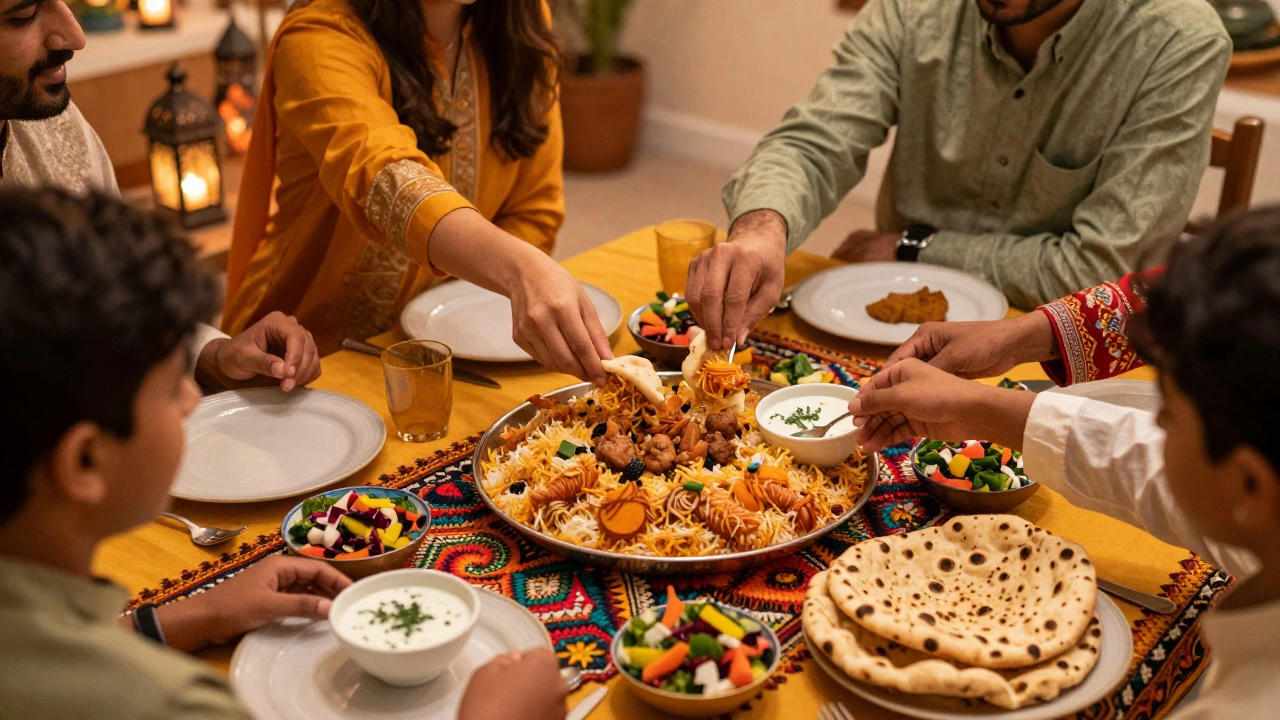
In Muslim culture, food is central to social bonding. Biryani takes center stage during key religious occasions:
- Eid al-Fitr and Eid al-Adha: These two major festivals mark the end of Ramadan and the annual pilgrimage to Mecca, respectively. Families prepare elaborate feasts, and biryani is almost always the main course. It symbolizes abundance and celebration.
- Nikah (Wedding): Weddings are joyous occasions where communities come together. Serving biryani shows hospitality and respect for guests. It is common to see multiple varieties of biryani served at weddings to cater to diverse tastes.
- Iftar: During Ramadan, Muslims break their fast with dates and water, followed by a larger meal. While lighter dishes are common initially, biryani may be served later in the evening as a treat after Taraweeh prayers.
Beyond religion, biryani is a staple at birthdays, housewarmings, and even casual weekend gatherings. Its versatility allows it to be dressed up or down. A simple chicken biryani with raita (yogurt sauce) is perfect for a family dinner, while a lavish lamb biryani with kebabs suits a grand party.
Regional Variations: One Dish, Many Faces
While the core concept remains the same, biryani changes dramatically depending on where you are. Understanding these variations helps explain why it appeals to so many different palates within the Muslim community.
| Style | Origin | Key Characteristics | Common Meat |
|---|---|---|---|
| Hyderabadi | Hyderabad, India | Spicy, tangy, uses raw marinated meat, kachchi ghosht style | Chicken, Goat |
| Lucknowi | Lucknow, India | Milder, aromatic, focuses on fragrance rather than heat, pakki style (cooked meat) | Mutton, Chicken |
| Kolkata | Kolkata, India | Sweet and savory balance, includes potatoes and sometimes boiled eggs | Chicken, Duck |
| Sindhi | Sindh, Pakistan | Uses green chilies and tomatoes, slightly sour taste | Chicken, Mutton |
Each variation reflects local agricultural products and historical influences. For example, Kolkata biryani includes potatoes because they were introduced by the British and became a cheap filler during times of scarcity. Sindhi biryani uses green chilies because they are abundant in the region. This adaptability ensures that biryani remains relevant and delicious no matter where you go.
How to Make Authentic Biryani at Home
You don’t need a royal kitchen to make great biryani. Here is a simplified guide to making a basic chicken biryani that respects traditional methods.
- Choose Your Rice: Use long-grain Basmati rice. Rinse it thoroughly until the water runs clear. Soak it for 30 minutes. This removes excess starch and prevents clumping.
- Marinate the Meat: Mix chicken pieces with yogurt, ginger-garlic paste, red chili powder, turmeric, garam masala, and salt. Let it sit for at least an hour, preferably overnight. Yogurt tenderizes the meat and adds richness.
- Fry the Aromatics: In a large pot, heat oil or ghee. Fry sliced onions until golden brown (these are called birista). Remove half for garnish. Add whole spices like bay leaves, cardamom, cloves, and cinnamon sticks. Sauté briefly.
- Cook the Base: Add the marinated chicken to the pot. Cook on medium heat until the oil separates from the meat. This indicates the masala is well-cooked.
- Parboil the Rice: Boil water with salt and whole spices. Add soaked rice. Cook until it is 70% done (grains should still have a slight bite). Drain immediately.
- Layering: In a heavy-bottomed pot, layer the cooked chicken mixture, then the parboiled rice. Sprinkle fried onions, fresh coriander, mint leaves, and saffron soaked in warm milk between layers. Repeat until all ingredients are used.
- Dum Cooking: Seal the pot with dough or aluminum foil. Cook on low heat for 20-30 minutes. This allows the flavors to meld.
- Serve: Gently fluff the biryani with a fork. Serve hot with raita, salan (curry), or salad.
The key to success is patience. Rushing the marination or the dum process will result in bland rice and tough meat. Take your time, and the rewards are worth it.
Common Mistakes to Avoid
Even experienced cooks can slip up. Here are some pitfalls to watch out for:
- Overcooking the Rice: If the rice is fully cooked before layering, it will turn mushy during the dum phase. Always undercook it slightly.
- Skipping the Searing: Frying the onions and searing the meat creates depth of flavor. Skipping this step leads to a flat-tasting dish.
- Using Low-Quality Spices: Stale spices lose their potency. Buy whole spices and grind them fresh if possible. Freshness makes a huge difference.
- Ignoring the Seal: If steam escapes during dum cooking, the rice dries out. Ensure your pot is tightly sealed.
Avoiding these mistakes ensures that your biryani turns out restaurant-quality every time.
Vegetarian Alternatives for Non-Meat Eaters
While traditional biryani is meat-based, vegetarian versions are popular and delicious. Paneer (Indian cottage cheese), mixed vegetables, or mushrooms can replace meat. The cooking process remains similar, but you must adjust the seasoning since vegetables absorb spices differently than meat. Adding a touch of cream or cashew paste can mimic the richness of meat fats.
For those observing fasting periods or preferring plant-based diets, vegetable biryani offers a lighter yet equally satisfying option. It maintains the cultural essence of the dish while catering to different dietary needs.
Is biryani always halal?
Not necessarily. While traditional biryani is designed to be halal, restaurants or home cooks might use non-halal meat, alcohol-based sauces, or cross-contaminated utensils. To ensure it is halal, check the source of the meat and ask about the cooking process. Look for certified halal establishments.
What is the difference between biryani and pulao?
Pulao is a simpler rice dish where rice and meat/vegetables are cooked together in broth. It is mild and straightforward. Biryani is more complex, involving marinated meat, layered rice, and slow cooking (dum). Biryani has stronger spices and richer flavors.
Can I make biryani ahead of time?
Yes, biryani often tastes better the next day as the flavors continue to meld. Prepare it as usual, let it cool, and store it in the refrigerator. Reheat gently on the stove with a splash of water to restore moisture. Avoid microwaving if possible, as it can dry out the rice.
Why is saffron important in biryani?
Saffron adds a distinct golden color and a delicate floral aroma that defines authentic biryani. It is expensive, so use sparingly. Soak saffron strands in warm milk or water before adding to release its color and flavor fully. It elevates the dish from ordinary to extraordinary.
Is biryani healthy?
Biryani can be part of a balanced diet. It provides carbohydrates from rice, protein from meat, and vitamins from spices and herbs. However, it can be high in calories and fat due to ghee/oil usage. Moderation is key. Pair it with salads and raita to add fiber and probiotics.