Indian Vegetarian Culture & Ingredient Guide
Select Ingredients
Click items to toggle them for analysis.
Cultural Compatibility
When you think of India, you probably picture a chaotic blend of spices, street food carts, and vibrant festivals. But if you look closer at the plates being served in certain regions, you’ll notice something striking: there is no meat. Not just occasionally absent, but entirely missing from the cultural DNA. You might assume that because India is home to billions of people with diverse diets, vegetarianism is a modern health trend or a Western import. The truth is much older and far more complex. Vegetarianism isn’t just a dietary choice here; for specific communities, it is a spiritual duty, a social identity, and a way of life that has persisted for centuries.
If you are trying to navigate an Indian menu, understand your host’s table manners, or simply want to cook authentic plant-based meals, knowing which Indian cultures are vegetarian changes everything. It stops you from accidentally offending a guest by offering chicken tikka and helps you appreciate why a simple lentil soup can be considered a masterpiece. Let’s break down the major cultural groups where vegetarianism is the norm, not the exception, and what makes their food unique.
The Jain Community: The Strictest Vegetarians
If you meet a Jain family, you will quickly realize that their definition of vegetarian is stricter than almost anyone else’s. Jainism is one of the oldest religions in India, originating around the 6th century BCE. Its core principle is Ahimsa, which translates to non-violence towards all living beings. This philosophy extends beyond just avoiding meat. Jains do not eat any root vegetables like onions, garlic, potatoes, carrots, or radishes. Why? Because pulling these roots from the ground kills the plant and harms the tiny organisms living in the soil. To a Jain, eating a potato is as violent as eating a steak.
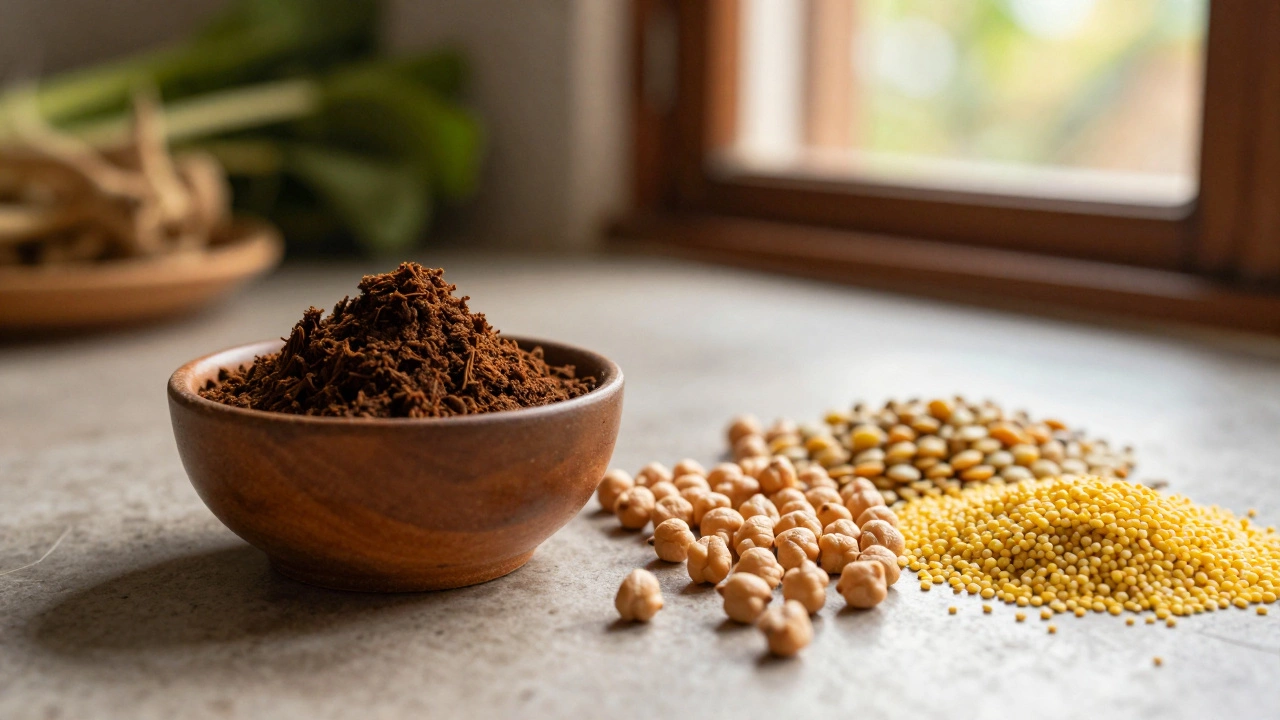
This restriction shapes their cuisine dramatically. You won’t find onion or garlic in traditional Jain cooking, which means chefs rely heavily on herbs, spices, and aromatics like asafoetida (hing) to build flavor. Asafoetida is a resinous gum that mimics the pungency of onion and garlic without the ethical baggage. Common dishes include Sundal, a snack made of boiled chickpeas tempered with mustard seeds and curry leaves, and various flatbreads made from millet or wheat. During religious fasts, some Jains may only consume fruits and nuts, or even abstain from food entirely for days. Understanding this depth of commitment explains why Jain restaurants are often found in major cities across India and abroad, catering to a community that travels with its dietary laws intact.
Hindus in Gujarat and Rajasthan: The Desert Diets
Gujarat, located on the western coast of India, is widely recognized as the most vegetarian state in the country. Over 90% of the population identifies as Hindu, and a significant portion adheres to lacto-vegetarian practices. The history here is tied to trade and religion. Gujarat was a hub for ancient maritime trade, and many merchant communities adopted vegetarianism to maintain purity and discipline. The food reflects the arid climate and agricultural patterns. Since dairy is abundant, you will see a lot of milk, yogurt, and paneer (cottage cheese). Spices are used generously to make simple ingredients taste complex.
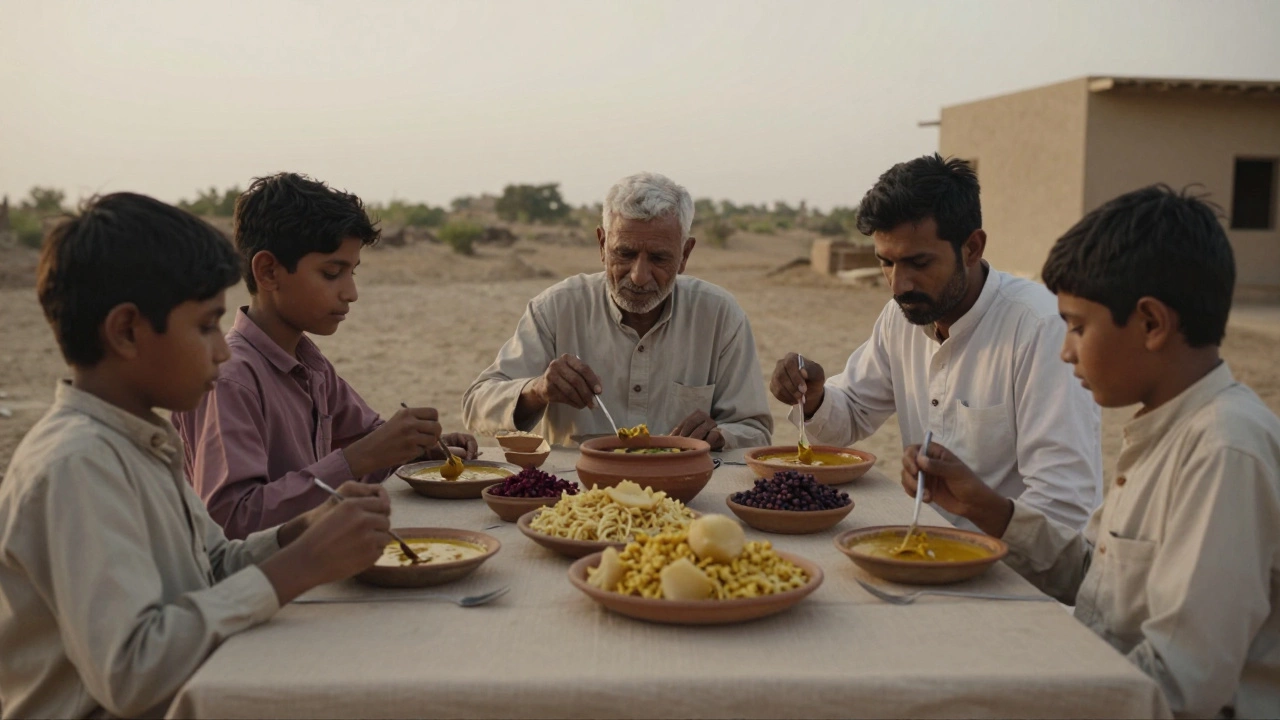
Dal Dhokli is a staple dish here, consisting of lentils simmered with round dough pieces. It’s hearty, comforting, and completely plant-based. Another iconic item is Thepla, a spiced flatbread made with besan (gram flour) and fenugreek leaves, often eaten for breakfast or packed for travel. In neighboring Rajasthan, the situation is similar but with a twist. Historically, Rajputs were warriors who ate meat, but the general populace, especially in rural areas, became vegetarian due to scarcity and religious influence. The lack of water meant that keeping livestock for slaughter was difficult, so people turned to millets, beans, and dairy. Ker Sangri, a dish made from desert berries and beans, is a testament to this resourcefulness. These cultures show that vegetarianism can be born out of necessity as well as devotion.
| Culture/Region | Primary Driver | Foods Avoided | Key Staple Ingredients |
|---|---|---|---|
| Jain | Religious Non-Violence (Ahimsa) | Meat, Eggs, Root Vegetables, Onions, Garlic | Chickpeas, Lentils, Wheat, Asafoetida, Nuts |
| Gujarati Hindu | Religious Purity & Tradition | Meat, Fish, Eggs | Dairy, Rice, Dal, Coconut, Turmeric |
| Rajasthani | Climate Scarcity & Religion | Meat (for most), Grains (during fasting) | Millets, Beans, Ker/Sangri, Ghee |
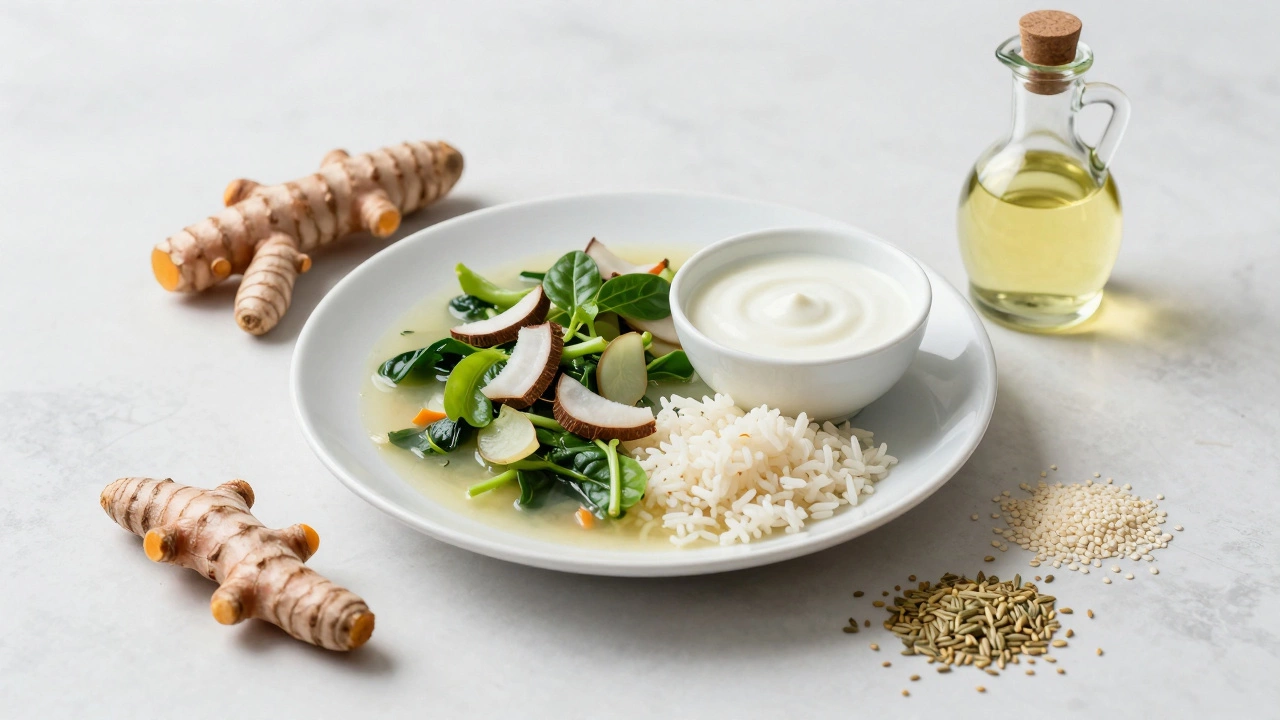
| Brahminical | Caste Rituals & Purity | Meat, Fish, Eggs, Onion/Garlic (often) | Rice, Curd, Sesame Oil, Fresh Vegetables |
Brahminical Traditions: Ritual Purity and Satvic Food
Brahmins are the priestly class in the Hindu caste system, and their dietary habits have influenced Indian vegetarian cuisine more than any other group. For Brahmins, food is not just fuel; it is part of their ritual purity. They often follow a Satvic diet, which emphasizes foods that promote clarity, calmness, and spirituality. This means avoiding anything considered tamasic (heavy, dulling) or rajasic (stimulating, aggressive). Meat, alcohol, and intoxicants are strictly forbidden. Many Brahmins also avoid onions and garlic, believing they stimulate passion and anger, which distracts from meditation and prayer.
The regional variations within Brahmin cuisine are fascinating. South Indian Brahmins, particularly those from Kerala and Tamil Nadu, rely heavily on rice, coconut, and fresh vegetables. Their curries are lighter, often cooked in coconut oil rather than ghee. A classic example is Avial, a mixed vegetable stew thickened with ground coconut and curd. North Indian Brahmins, on the other hand, favor wheat, dairy, and sesame oil. Puran Poli, a sweet flatbread stuffed with lentil paste, is a festive favorite in Maharashtra. The common thread is simplicity and freshness. There is no heavy frying or excessive use of spices. The goal is to nourish the body without clouding the mind. If you are invited to a Brahmin household, expect a meal that feels light, clean, and deeply respectful of tradition.
Ayurveda: The Science Behind the Plate
You cannot talk about Indian vegetarianism without mentioning Ayurveda, the ancient system of medicine that originated in India over 3,000 years ago. Ayurveda doesn’t just tell you what to eat; it tells you how food affects your body’s balance of doshas (Vata, Pitta, and Kapha). While Ayurveda does allow for meat in certain therapeutic contexts, the vast majority of practitioners and followers adhere to a vegetarian diet because plants are easier to digest and less likely to create toxicity in the body.
In an Ayurvedic framework, every ingredient has a property. Turmeric is anti-inflammatory. Ginger aids digestion. Fennel cools the stomach. This knowledge is embedded in the daily cooking of millions of Indians. When a grandmother adds a pinch of cumin to her lentils, she isn’t just following a recipe; she is balancing the digestive fire. This holistic approach makes Indian vegetarian food highly functional. It’s not just about tasting good; it’s about maintaining health. Modern wellness trends in the West are now rediscovering these principles, but in India, they have been the standard for millennia. Understanding Ayurveda helps you see why certain combinations are avoided, like mixing milk with sour fruits, and why warm, cooked food is preferred over cold salads.
Regional Exceptions and Nuances
It’s important to note that not all Hindus are vegetarian. In states like Bengal, Odisha, and the Northeast, fish and pork are staples. Even in predominantly vegetarian states, exceptions exist. However, the cultures we’ve discussed-Jain, Gujarati, Rajasthani, and Brahminical-form the backbone of India’s vegetarian identity. Their influence spreads through migration, media, and restaurant chains. When you order "Indian food" in London or New York, you are mostly encountering the culinary traditions of these specific groups.
Another nuance is the concept of "eggetarian." Many young Indians today eat eggs but avoid meat. This is a departure from traditional strict vegetarianism but reflects changing urban lifestyles. Still, in the core cultures mentioned, eggs are generally excluded. The distinction matters when you are shopping for groceries or planning a meal for guests with strict dietary beliefs. Always ask. Assuming someone eats eggs because they don’t eat meat can lead to awkward moments.
Why This Matters for You
Knowing which Indian cultures are vegetarian helps you connect deeper with the food. It transforms a simple curry into a story of faith, geography, and history. If you are cooking, try incorporating some of these principles. Use asafoetida instead of garlic for a Jain-inspired dish. Cook lentils with turmeric and ginger for an Ayurvedic boost. Embrace the simplicity of a Satvic meal once a week. You might find that your palate appreciates the subtle flavors that get lost in heavy, meat-centric cuisines. Indian vegetarianism is not a limitation; it is a celebration of what plants can do when treated with respect and creativity.
Are all Hindus vegetarian?
No, not all Hindus are vegetarian. While many Hindus, especially those in Gujarat, Rajasthan, and among the Brahmin caste, follow a vegetarian diet, others in states like West Bengal, Odisha, and the Northeast regularly consume fish, chicken, and mutton. Dietary habits vary significantly by region, caste, and individual family traditions.
Why do Jains not eat onions and garlic?
Jains avoid onions and garlic primarily because they are root vegetables. Harvesting them kills the entire plant and disturbs microorganisms in the soil, violating the principle of Ahimsa (non-violence). Additionally, some believe these foods stimulate negative emotions like anger and passion, which hinders spiritual progress.
What is the difference between Satvic and regular vegetarian food?
Satvic food is a subset of vegetarian food focused on purity and clarity. It excludes meat, eggs, onions, garlic, and overly spicy or fried items. It emphasizes fresh, raw, or lightly cooked vegetables, fruits, grains, and dairy. Regular vegetarian food may include onions, garlic, eggs, and heavier preparations, while Satvic food aims to support meditation and mental calmness.
Is Indian vegetarian food healthy?
Yes, traditional Indian vegetarian food is generally very healthy. It is rich in fiber, protein from lentils and legumes, and antioxidants from spices like turmeric and cumin. Ayurvedic principles guide the combination of foods for optimal digestion and nutrition. However, modern restaurant versions can sometimes be high in oil and calories, so homemade or traditional preparations are healthier.
Can I eat Indian food if I am vegan?
Many Indian vegetarian dishes are naturally vegan, but you need to be cautious. Ghee (clarified butter) and paneer (cottage cheese) are common ingredients. Dairy is widely used in curries, sweets, and breads. Look for dishes labeled "jagrit" or ask specifically for no ghee or dairy. Street food and restaurant dishes often use dairy, so always inquire before ordering.