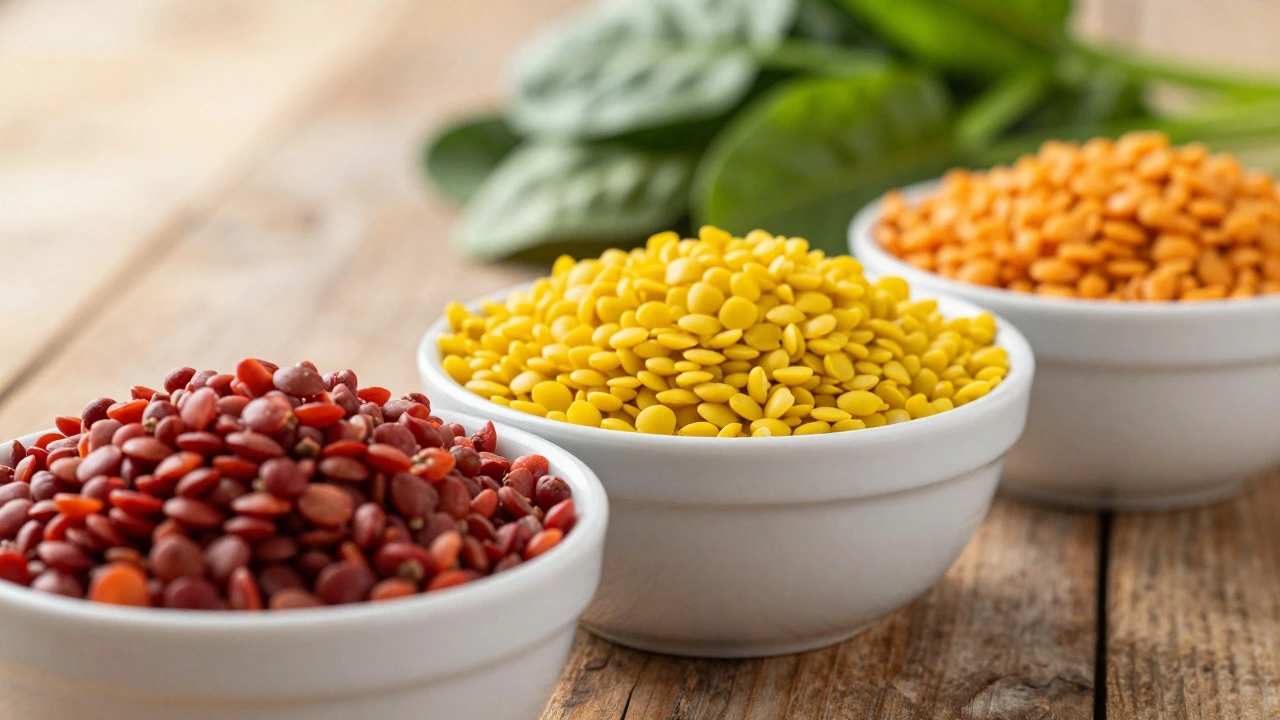
Arthritis-Friendly Dal Analyzer
Step 1: Select Your Dal & Preferences
Click on the lentil type you plan to eat today.
Masoor Dal
Top Pick Red LentilsMoong Dal
Cooling Yellow MungTuvar Dal
Iron Rich Pigeon PeasChana Dal
Limit Use Split ChickpeasUrad Dal
Heavy Black GramAnalysis Result
Select a dal and click Analyze to see your score.
Joint pain can make even simple daily tasks feel like a mountain to climb. If you are dealing with arthritis, you know that stiffness and swelling are not just physical-they affect your mood and energy too. While medication plays a huge role in management, what you eat matters just as much. In Indian kitchens, dals are lentils and legumes that form the staple protein source in vegetarian diets across India. They are cheap, filling, and packed with nutrients. But not all dals are created equal when it comes to inflammation.
You might be wondering if swapping your regular chana dal for something else could help soothe those aching joints. The short answer is yes. Some lentils have higher anti-inflammatory properties than others. By choosing the right ones and cooking them correctly, you can turn your dinner plate into a tool for relief. Let’s look at which specific dals work best for arthritis and how to prepare them without triggering more pain.
The Best Dals for Arthritis Relief
When we talk about arthritis, we are mostly talking about managing inflammation. Chronic inflammation keeps the joints swollen and painful. Certain foods act as fuel for this fire, while others put it out. Among the various types of lentils available, three stand out for their ability to reduce inflammatory markers in the body.
Masoor Dal (red lentils) is often the top recommendation for people with joint issues. It is rich in antioxidants and has a mild effect on the gut. Unlike heavier legumes, masoor dal digests easily, which means less stress on your digestive system. A healthy gut is directly linked to lower systemic inflammation. Many rheumatologists suggest starting with masoor dal because it provides high-quality plant protein without the heavy fiber load that can sometimes cause bloating.
Moong Dal (yellow mung beans) is another excellent choice. In Ayurveda, moong dal is considered cooling and easy to digest. It contains amino acids that support tissue repair. If your arthritis is accompanied by fatigue, moong dal can provide sustained energy without spiking blood sugar levels. Its light nature makes it suitable for daily consumption, even during flare-ups when your appetite might be low due to pain or medication side effects.
Tuvar Dal (pigeon peas) is slightly denser but offers significant benefits. It is high in iron and folate, both of which are crucial for maintaining healthy red blood cells and reducing homocysteine levels. High homocysteine is linked to increased inflammation and cardiovascular risk, which is important since arthritis patients often have higher heart disease risks. Tuvar dal adds a hearty texture to meals and pairs well with anti-inflammatory spices.
Dals to Limit or Avoid During Flare-Ups
Not every lentil will sit well with an arthritic body, especially when symptoms are severe. Chana Dal (split chickpeas) and Urad Dal (black gram) are heavier and harder to digest. They contain higher levels of phytic acid and complex carbohydrates that can ferment in the gut, leading to gas and bloating. For some people, this digestive distress translates to increased overall inflammation and worsened joint pain.
If you love the taste of chana dal, you don’t have to give it up entirely. However, during acute flare-ups, it is wise to limit portion sizes or soak the dal overnight to reduce anti-nutrients. Soaking helps break down complex compounds, making the dal easier for your body to process. Similarly, whole chickpeas (kabuli chana) should be consumed in moderation. They are nutritious but can be tough on sensitive digestive systems.
| Dal Type | Inflammation Impact | Digestibility | Key Nutrient Benefit |
|---|---|---|---|
| Masoor Dal | Low (Anti-inflammatory) | High (Easy) | Antioxidants & Protein |
| Moong Dal | Low (Cooling) | Very High (Easiest) | Amino Acids & Energy |
| Tuvar Dal | Moderate | Moderate | Iron & Folate |
| Chana Dal | High (Can trigger bloating) | Low (Harder) | Fiber & Calcium |
| Urad Dal | High (Heavy) | Low (Hardest) | Protein & Magnesium |
Spices That Fight Inflammation
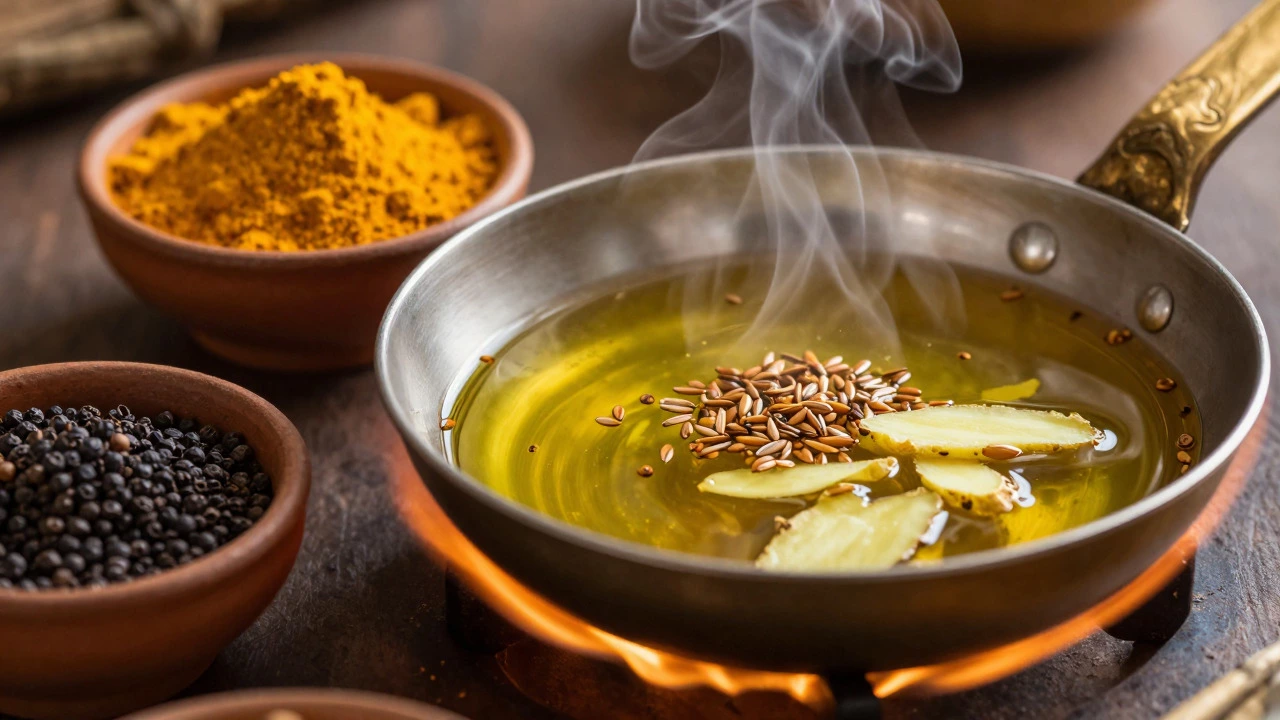
The dal itself is only half the equation. How you cook it determines whether it becomes a healing meal or just another carb-heavy dish. In Indian cooking, we use a blend of spices known as tadka or tempering, where spices are fried in oil to release their flavors and active compounds. This step is critical for arthritis sufferers because many common Indian spices are powerful natural anti-inflammatories.
Turmeric is the superstar here. It contains curcumin, a compound that blocks NF-kB, a molecule that travels into the nuclei of your cells and turns on genes related to inflammation. Adding a teaspoon of turmeric powder to your dal can significantly boost its therapeutic value. However, curcumin is poorly absorbed on its own. You must pair it with black pepper.
Black Pepper contains piperine, which enhances the absorption of curcumin by up to 2000%. Without black pepper, most of the turmeric passes through your system unused. So, always add freshly ground black pepper to your dal tadka. Other beneficial spices include cumin seeds, which aid digestion and reduce gut inflammation, and ginger, which has been shown to reduce pain similar to ibuprofen in some studies.
Cooking Methods That Matter
How you prepare your dal affects its nutritional profile and how your body reacts to it. Pressure cooking is a common method in Indian households, and it is generally good for arthritis because it breaks down fibers thoroughly. Soft, mushy dal is easier to digest than firm, distinct grains. Aim for a consistency that is smooth and creamy.
Soaking is another key technique. Even though split dals like masoor and moong cook quickly, soaking them for 30 minutes before cooking reduces cooking time and further breaks down anti-nutrients like phytates. Phytates can bind to minerals like zinc and iron, preventing their absorption. Since arthritis can deplete these minerals over time, maximizing absorption is crucial.
Oil choice also plays a role. Instead of using refined vegetable oils, opt for mustard oil or olive oil for your tadka. Mustard oil contains alpha-linolenic acid (ALA), an omega-3 fatty acid that fights inflammation. Olive oil is rich in oleocanthal, which has ibuprofen-like effects. Avoid frying the tadka in excessive amounts of oil; a tablespoon is enough to coat the spices and release their aroma.
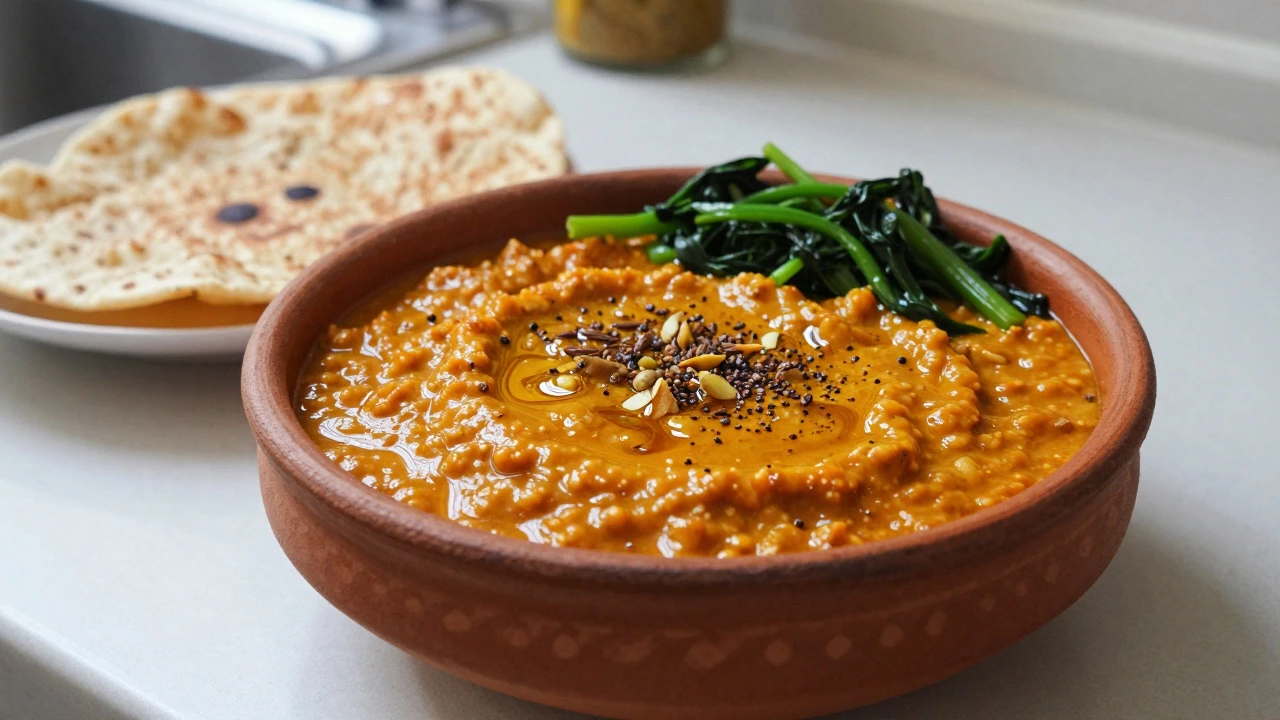
Sample Anti-Inflammatory Dal Recipe
Here is a simple recipe that combines the best dal for arthritis with powerful anti-inflammatory spices. This Masoor Dal Tadka is designed to be gentle on the stomach while actively working to reduce joint pain.
- Ingredients: 1 cup Masoor Dal, 4 cups water, 1 tsp turmeric powder, 1/2 tsp black pepper powder, 1 tsp cumin seeds, 1 inch ginger (grated), 1 tbsp mustard oil, salt to taste.
- Preparation: Rinse the masoor dal thoroughly. Soak it for 30 minutes. Drain the water.
- Cooking: Add the soaked dal, fresh water, turmeric, and salt to a pressure cooker. Cook for 3-4 whistles until soft. Mash lightly with a spoon.
- Tadka: Heat mustard oil in a small pan. Add cumin seeds. Once they splutter, add grated ginger and sauté for 30 seconds.
- Finishing: Pour the tadka over the cooked dal. Sprinkle black pepper powder on top. Stir well.
- Serving: Serve warm with brown rice or millet roti. Avoid white bread or refined flour chapatis as they can spike blood sugar and increase inflammation.
Lifestyle Tips for Maximizing Benefits
Eating the right dal is not a magic cure, but it is a powerful part of a holistic strategy. Consistency is key. Try to include an anti-inflammatory dal in your diet at least 4-5 times a week. Pair it with plenty of vegetables, especially leafy greens like spinach or methi (fenugreek), which add more antioxidants.
Hydration is equally important. Dehydration can make joint lubrication worse, increasing friction and pain. Drink plenty of water throughout the day. Herbal teas made from ginger or turmeric can also complement your dal-based diet.
Finally, listen to your body. Everyone’s reaction to food is different. Keep a food diary for two weeks. Note which dals leave you feeling energized and which cause bloating or increased stiffness. Adjust your choices based on personal experience rather than general rules. Your body knows best what it needs to heal.
Is Masoor Dal better than Moong Dal for arthritis?
Both are excellent choices. Masoor Dal is slightly higher in antioxidants, while Moong Dal is easier to digest and considered "cooling" in Ayurveda. If you have digestive issues alongside arthritis, start with Moong Dal. For general inflammation reduction, Masoor Dal is highly effective.
Can I eat Chana Dal if I have arthritis?
Yes, but in moderation. Chana Dal is heavier and can cause bloating, which may indirectly worsen inflammation. Soak it overnight and cook it thoroughly. Limit portions to half a cup during flare-ups.
Why is black pepper important in my dal?
Black pepper contains piperine, which increases the absorption of curcumin from turmeric by up to 2000%. Without black pepper, the anti-inflammatory benefits of turmeric are significantly reduced.
Should I soak dal before cooking for arthritis?
Yes, soaking helps break down phytic acid and complex fibers, making the dal easier to digest and reducing the risk of bloating. It also improves mineral absorption, which is vital for joint health.
What oil is best for tempering dal for arthritis?
Mustard oil and olive oil are the best choices. Mustard oil provides omega-3 fatty acids, while olive oil contains oleocanthal, both of which have strong anti-inflammatory properties. Avoid refined seed oils like sunflower or soybean oil.