Find Your Perfect Indian Sweet
Not sure which city's sweets match your taste? Select your preferences below to discover the best destination for your sweet tooth.
India is a land where sugar isn't just an ingredient; it's a language. From the bustling streets of Mumbai to the quiet lanes of Varanasi, every region has its own way of saying "welcome" with a spoonful of sweetness. But if you had to pick one city that stands above the rest as the undisputed capital of Indian sweets, the answer usually points to a few specific hubs, each with its own crown jewel.
While there isn't a single monopoly on deliciousness, cities like Kolkata, Mathura, and Lucknow have built their identities around specific confections. Understanding which city excels at what helps you navigate the vast landscape of Indian mithai (sweets) and find the authentic flavors that define them.
Kolkata: The Home of Rosogolla and Sandesh
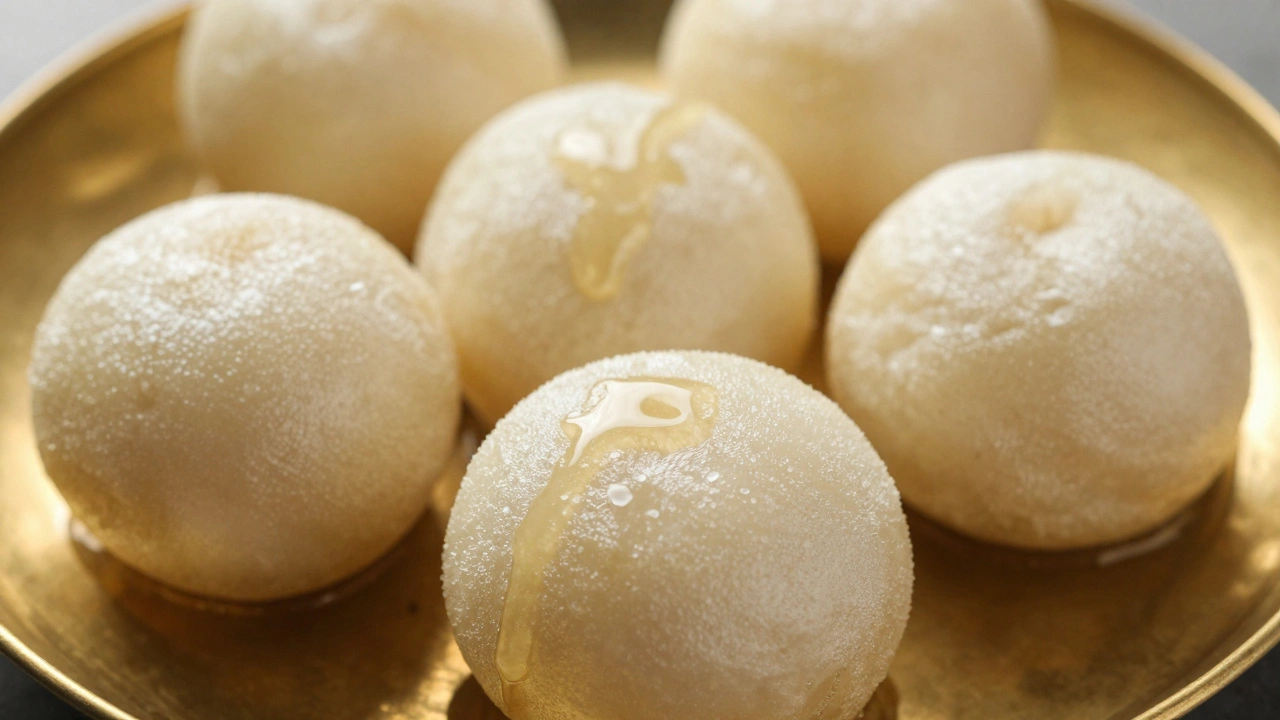
If you ask anyone in West Bengal about their pride, they will likely mention two things: literature and sweets. Kolkata, formerly Calcutta, is widely recognized as the birthplace of the modern Rosogolla, a spongy, syrup-soaked ball made from chhana (fresh cottage cheese). Legend has it that Nobin Chandra Das popularized this treat in the late 19th century, turning a simple cottage cheese ball into a national obsession.
But Kolkata’s claim to fame goes beyond Rosogolla. The city is also the heartland of Sandesh, a delicate sweet made from chhana and sugar, often flavored with cardamom or saffron. Unlike the heavy, milk-reduced sweets found elsewhere, Bengali sweets rely on fresh chhana, giving them a lighter, more nuanced texture. The best places to try these are not just any shop, but heritage stores like Balaram Mullick & Co. or Old Delhi Sweets, where the recipe has been passed down for generations.
The key difference here is the use of "chhana" versus "khoya." Most other Indian sweets use khoya, which is reduced milk solids. Bengali sweets use chhana, which is curdled milk strained and pressed. This subtle change creates a completely different mouthfeel-softer, grainier, and less dense.
Mathura and Vrindavan: The Khoya Capital
Move north to Uttar Pradesh, and the air changes. Here, in the holy towns of Mathura and Vrindavan, associated with Lord Krishna, the sweet of choice is Peda, specifically Kesar Peda. This golden, crumbly disc is made from khoya (reduced milk), ghee, sugar, and saffron. It’s rich, fudgy, and intensely aromatic.
Why is this region so famous for it? It’s geography and tradition combined. Uttar Pradesh is a major dairy hub, providing high-quality milk essential for making good khoya. The process of making khoya involves simmering liters of milk until it reduces to a thick paste-a time-consuming task that requires patience and skill. In Mathura, this isn’t just cooking; it’s devotion. Many shops operate near temples, serving devotees who believe that offering sweet food to deities brings blessings.
When you bite into a Mathura Peda, you’re tasting concentrated milk fat and saffron essence. It’s not subtle. It’s bold. If you’re looking for a sweet that melts in your mouth with a heavy, luxurious feel, this is the place to look. Other notable sweets from this area include Rasgulla (the larger, denser cousin of the Bengali version) and Malaiyo, a winter delicacy made from raw milk and jaggery.
Lucknow: The Refined Mughal Influence
Lucknow, the capital of Uttar Pradesh, offers a different kind of sweetness-one influenced by Mughal cuisine. While North India leans towards heavy milk-based sweets, Lucknow introduces finesse and layering. The city is famous for Gulab Jamun, but with a twist. Here, the gulab jamuns are smaller, softer, and soaked in a rose-flavored syrup rather than just plain sugar syrup. They are less oily and more refined.
Beyond Gulab Jamun, Lucknow is renowned for Imarti, a flower-shaped sweet made from fermented gram flour batter, deep-fried and soaked in sugar syrup. It looks like a blooming marigold and tastes crisp on the outside and soft on the inside. The fermentation process gives it a slight tanginess that balances the sweetness.
Lucknow’s sweets reflect the city’s cultural history-a blend of Persian elegance and Indian warmth. You’ll also find excellent variations of Barfi, often infused with pistachios, almonds, or even coffee. The presentation matters here too; sweets are often served on silver platters or wrapped in colorful paper, emphasizing the aesthetic experience alongside taste.
Mumbai: The Street Food Sweethearts
Mumbai doesn’t have a single signature sweet like Kolkata or Mathura, but it has something else: variety and accessibility. As India’s financial capital, Mumbai attracts people from all over the country, bringing their sweet traditions with them. The result is a melting pot of flavors.
The city is particularly famous for Modak, especially during the Ganesh Chaturthi festival. These steamed dumplings filled with coconut and jaggery are a staple in Maharashtrian households but are widely available in Mumbai’s street markets. Another Mumbai favorite is Jalebi, sold hot from carts across the city. Mumbai Jalebis are known for being extra crispy and soaked in bright orange or yellow syrup, often paired with falooda (a cold dessert drink).
What makes Mumbai unique is the innovation. You’ll find chocolate-covered barfis, mango-flavored rasgullas, and even low-sugar options catering to health-conscious consumers. The city’s sweet shops, like Badshah Wafers or Haldiram’s, have scaled up production while trying to maintain quality, making them household names nationwide.
Varanasi: The Ancient Flavors
No discussion of Indian sweets is complete without mentioning Varanasi. One of the oldest living cities in the world, Varanasi has a sweet culture that dates back centuries. The most iconic sweet from here is Malpua, a pancake-like sweet dipped in sugar syrup. Often served with rabri (thickened sweetened milk), it’s a comforting, warm dessert perfect for chilly evenings.
Another Varanasi specialty is Lauchha, a layered sweet made from semolina, ghee, and sugar. It resembles a pastry but is denser and sweeter. The layers are thin and flaky, creating a delightful contrast in textures. These sweets are deeply tied to religious festivals and rituals, often offered to Lord Shiva at the Kashi Vishwanath Temple.
The charm of Varanasi lies in its authenticity. Many sweet shops here have been operating for over a hundred years, using traditional methods that haven’t changed. There’s no rush, no industrialization-just slow, careful preparation that results in sweets with deep, complex flavors.
| City | Famous Sweet | Key Ingredient | Texture Profile |
|---|---|---|---|
| Kolkata | Rosogolla, Sandesh | Chhana (Cottage Cheese) | Spongy, Soft, Light |
| Mathura/Vrindavan | Kesar Peda | Khoya (Reduced Milk) | Fudgy, Crumbly, Rich |
| Lucknow | Gulab Jamun, Imarti | Dough, Gram Flour | Soft, Crispy, Refined |
| Mumbai | Modak, Jalebi | Rice Flour, Semolina | Steamed, Crispy, Varied |
| Varanasi | Malpua, Lauchha | All-purpose Flour, Semolina | Pancake-like, Layered |
How to Choose the Right Sweet for Your Taste
With so many options, how do you decide? It depends on what you’re craving. If you prefer light, refreshing sweets that don’t sit heavily in your stomach, go for Bengali sweets like Rosogolla or Sandesh. Their chhana base makes them easier to digest compared to milk-reduced sweets.
If you love richness and intensity, head towards Mathura or Lucknow. Peda and Gulab Jamun are indulgent treats best enjoyed in small quantities. They pair well with strong tea or coffee, which cuts through the sweetness.
For those who enjoy texture contrasts, Imarti from Lucknow or Lauchha from Varanasi offer interesting combinations of crisp and soft. And if you’re traveling, Mumbai’s street-side Jalebis provide an instant energy boost and a taste of local life.
Tips for Buying Authentic Sweets
Not all sweets are created equal. Here’s how to spot quality:
- Look for freshness: Sweets like Rosogolla and Sandesh should be consumed within a day or two. Avoid packages that look old or dry.
- Check the color: Natural colors come from ingredients like saffron, turmeric, or beetroot. Bright neon hues indicate artificial coloring.
- Smell before you buy: Good sweets smell fragrant-of milk, cardamom, or nuts. If it smells chemical or overly perfumed, walk away.
- Ask about ingredients: Reputable shops will proudly tell you whether they use pure ghee, real saffron, or fresh chhana.
- Visit heritage stores: Shops with long histories often stick to traditional recipes and higher quality standards.
Storing and Enjoying Indian Sweets
Most Indian sweets are perishable. Milk-based sweets like Peda and Barfi can last 3-5 days in the refrigerator if stored in airtight containers. Syrup-based sweets like Gulab Jamun and Rosogolla are best eaten fresh but can be refrigerated for up to 2 days. Dry sweets like Ladoo and Anarsa can last longer, sometimes weeks, if kept away from moisture.
When serving, bring sweets to room temperature before eating. Cold sweets lose some of their aroma and flavor. Pair them with chai, filter coffee, or even a glass of lassi for a balanced experience.
Which city is considered the sweet capital of India?
There isn't one official "sweet capital," but Kolkata is often cited for Rosogolla and Sandesh, while Mathura is famous for Peda. Each city has its own specialty, making it hard to declare a single winner.
What is the difference between Rosogolla and Rasgulla?
Rosogolla (Bengali spelling) is typically smaller, softer, and made with chhana. Rasgulla (North Indian spelling) is often larger, denser, and made with khoya. Both are spongy balls soaked in syrup, but the texture differs significantly.
Are Indian sweets suitable for vegetarians?
Yes, most Indian sweets are vegetarian. However, some may contain gelatin or use animal-derived rennet in cheese-making processes. Always check labels or ask the vendor if you have strict dietary restrictions.
Can I make Indian sweets at home?
Absolutely! Simple sweets like Modak, Jalebi, and even basic Barfi can be made at home with readily available ingredients. Recipes for these are widely available online and in cookbooks.
How long do Indian sweets last?
Freshness varies by type. Syrup-based sweets last 1-2 days, milk-based sweets 3-5 days in the fridge, and dry sweets like Ladoo can last several weeks if stored properly in a cool, dry place.