Curry Aromatic Timing Simulator
Click on a step to see specific timing details and tips.
There is a specific moment in the pot where garlic and ginger transform from raw, pungent bites into the soul of your chicken curry. Miss it by thirty seconds, and you end up with burnt, bitter notes that ruin an otherwise perfect dish. Get it right, and the flavors meld seamlessly into the sauce, creating that deep, savory backbone every home cook chases.
The core rule is simple but often misunderstood: you are not just adding ingredients; you are triggering a chemical reaction. Garlic and Ginger contain volatile oils that release their aroma when exposed to heat and fat. If you throw them in too early, they burn. If you add them too late, they stay raw and sharp. The sweet spot lies in the middle, during the sauté phase before the liquid goes in.
The Science of Sautéing Aromatics
To understand when to add garlic and ginger to curry, you have to look at what happens in the pan. When crushed or minced garlic hits hot oil, its cell walls break down, releasing allicin and other sulfur compounds. These compounds are highly aromatic but fragile. At low heat, they take too long to infuse, leaving a watery texture. At high heat, they carbonize within minutes, turning black and acrid.
Ginger behaves slightly differently. Its fibers are tougher, and its essential oils (like zingiberene) are more stable than garlic’s. This means ginger can handle a bit more time in the pan without burning. However, because most curries use a paste or mince of both together, you should treat them as a unit for timing purposes. The goal is to cook them until they turn golden brown and smell fragrant, usually taking between two to four minutes depending on the heat intensity.
Step-by-Step Timing for Chicken Curry
Here is exactly how this fits into a standard Indian chicken curry workflow. Follow these steps to nail the timing every time:
- Heat the Oil: Start with neutral oil like vegetable or mustard oil. Heat it until it shimmers. You want the oil hot enough that a drop of water sizzles instantly, but not smoking.
- Add Whole Spices First: Toss in cumin seeds, cardamom pods, or bay leaves. Let them crackle for about 30 seconds. This releases their base notes.
- Add Onion Paste: Stir in finely chopped onions. Cook them until they turn translucent or light gold. This creates the body of the gravy.
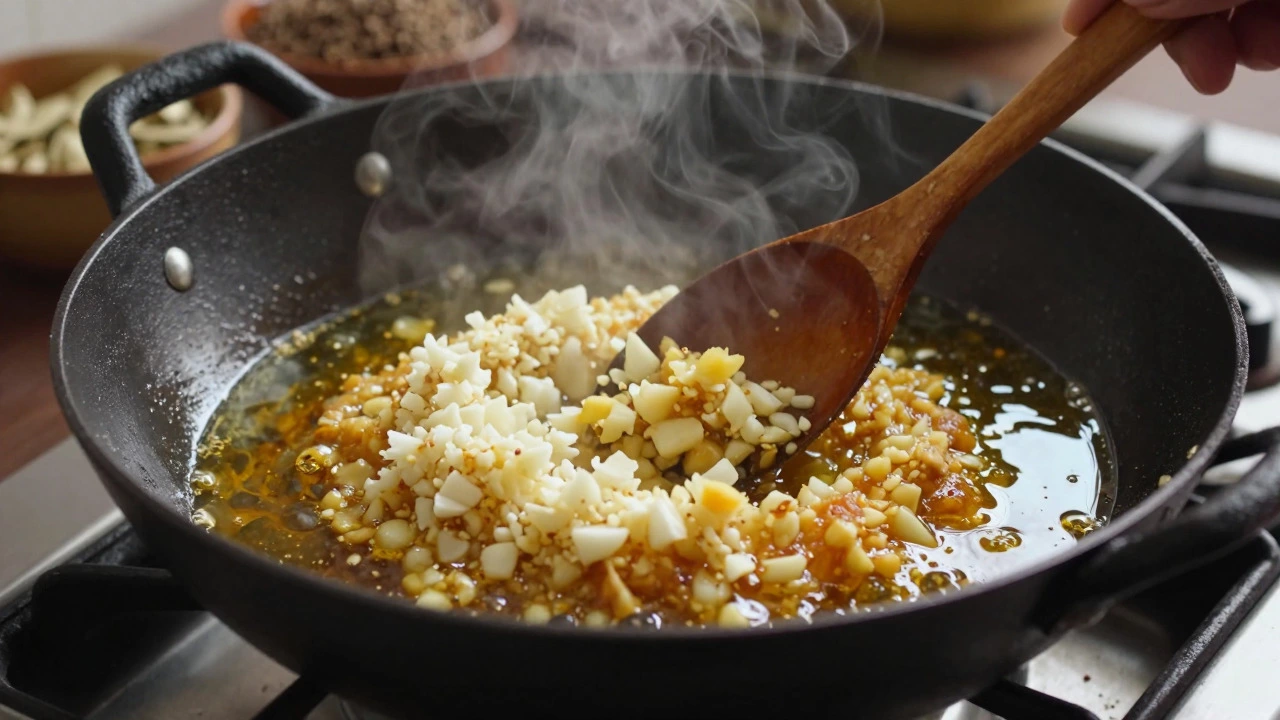
- The Critical Moment: Lower the heat slightly if needed. Add your minced garlic and ginger paste. Stir constantly.
- Watch the Color: Cook for 2-3 minutes. You are looking for the mixture to darken slightly and the raw smell to disappear. It should smell warm and spicy, not sharp.
- Add Tomato and Powdered Spices: Once the garlic and ginger are fragrant, add tomato puree. After the tomatoes soften, lower the heat to medium-low and add turmeric, coriander powder, and chili powder. Stir quickly to prevent the powdered spices from scorching.
- Add Protein and Liquid: Finally, add the chicken pieces and water or yogurt. Cover and simmer.
If you skip the constant stirring in step 4, the garlic will stick to the bottom of the pan and burn. This is the most common mistake home cooks make. Keep the wooden spoon moving.
Common Mistakes That Ruin the Flavor
Even experienced cooks slip up here. Here are the three biggest pitfalls and how to avoid them.
- Adding to Cold Oil: If the oil isn’t hot enough, the garlic steams instead of frying. It becomes mushy and loses its punch. Always ensure the oil is shimmering before adding aromatics.
- High Heat Burnout: Garlic burns faster than almost any other ingredient. If your flame is on high, you only have 60 seconds before it turns bitter. Drop the heat to medium once the garlic goes in.
- Using Pre-Made Paste Without Adjusting: Store-bought ginger-garlic paste is often diluted with preservatives or extra water. It takes longer to evaporate and release flavor. If using store-bought paste, give it an extra minute to cook off the moisture before adding tomatoes.
Garlic vs. Ginger: Which Goes First?
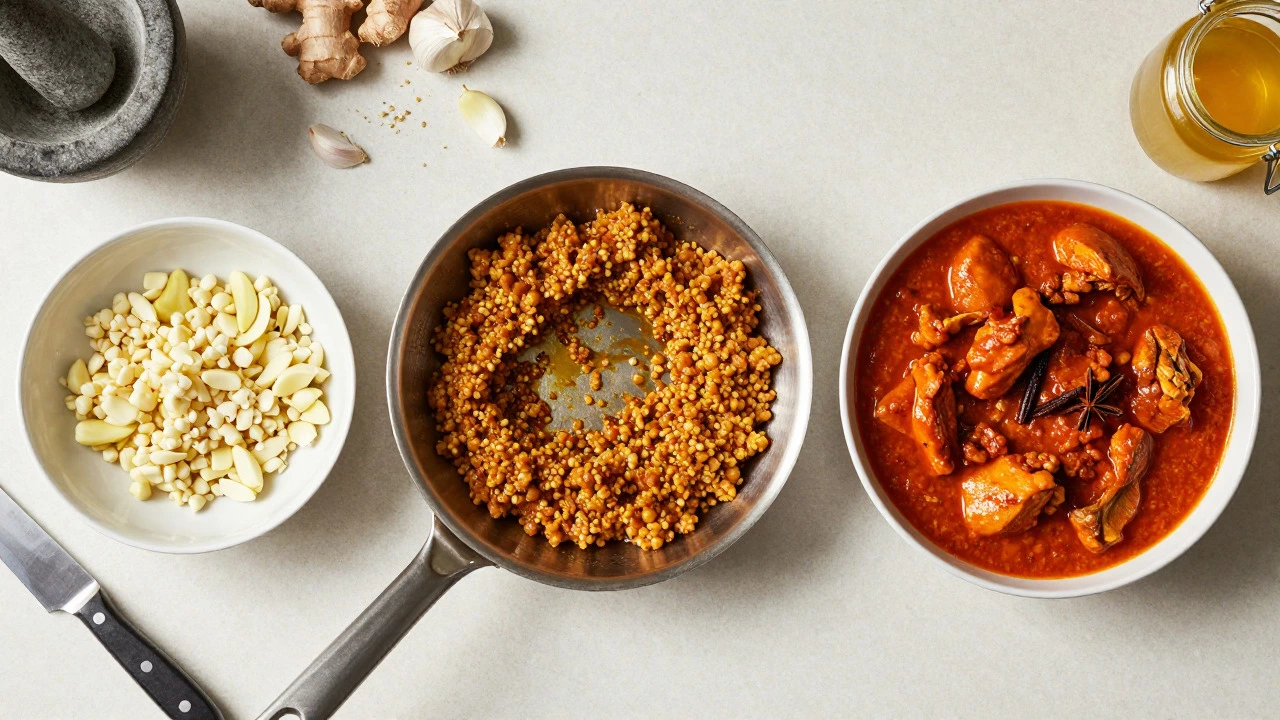
You might wonder if there is a difference in order. In traditional North Indian cooking, they are usually added together as a combined paste. However, if you are using fresh, whole cloves of garlic and slices of ginger, you can stagger them slightly.
Ginger has a higher smoke point due to its fibrous structure. You can add sliced ginger first, let it fry for 30 seconds, then add the minced garlic. This ensures the delicate garlic doesn’t burn while the tougher ginger finishes cooking. But for most home cooks using a mince or paste, adding them simultaneously is perfectly fine and saves time.
Adjusting for Different Curry Styles
Not all curries follow the same rhythm. The timing of aromatics shifts based on the region and style of the dish.
In a South Indian Korma or a dry coconut-based curry, you might roast the garlic and ginger separately in ghee before blending them into a paste. In this case, the "timing" is actually the roasting stage. You roast them until golden, remove them, cool them, and blend. Then you fry the blended paste later in the masala base. This double-cooking method creates a deeper, nuttier flavor profile.
Conversely, in a quick Rajasthani Churma or a fast weeknight curry, you might skip the onion base entirely. In these cases, you fry the garlic and ginger directly in the oil for a shorter duration-just until fragrant-and immediately add the meat. The lack of onion means the aromatics carry more weight, so don’t overcook them.
Pro Tips for Maximum Aroma
Want that restaurant-level depth? Try these tweaks:
- Crush, Don’t Just Chop: Use the flat side of your knife to crush garlic cloves before mincing. This breaks more cells and releases more enzymes, leading to a stronger flavor infusion.
- Use Ghee for Richness: While oil works, Clarified Butter (Ghee) has a higher smoke point and adds a nutty richness that complements the earthiness of ginger and garlic. Use a mix of oil and ghee for the best results.
- Listen to the Sound: When garlic is frying correctly, it makes a gentle bubbling sound. If it stops bubbling and starts hissing aggressively, the moisture is gone, and it’s about to burn. Remove it from heat immediately.
Troubleshooting Your Curry Base
What if you already made a mistake? Here is how to save your dish.
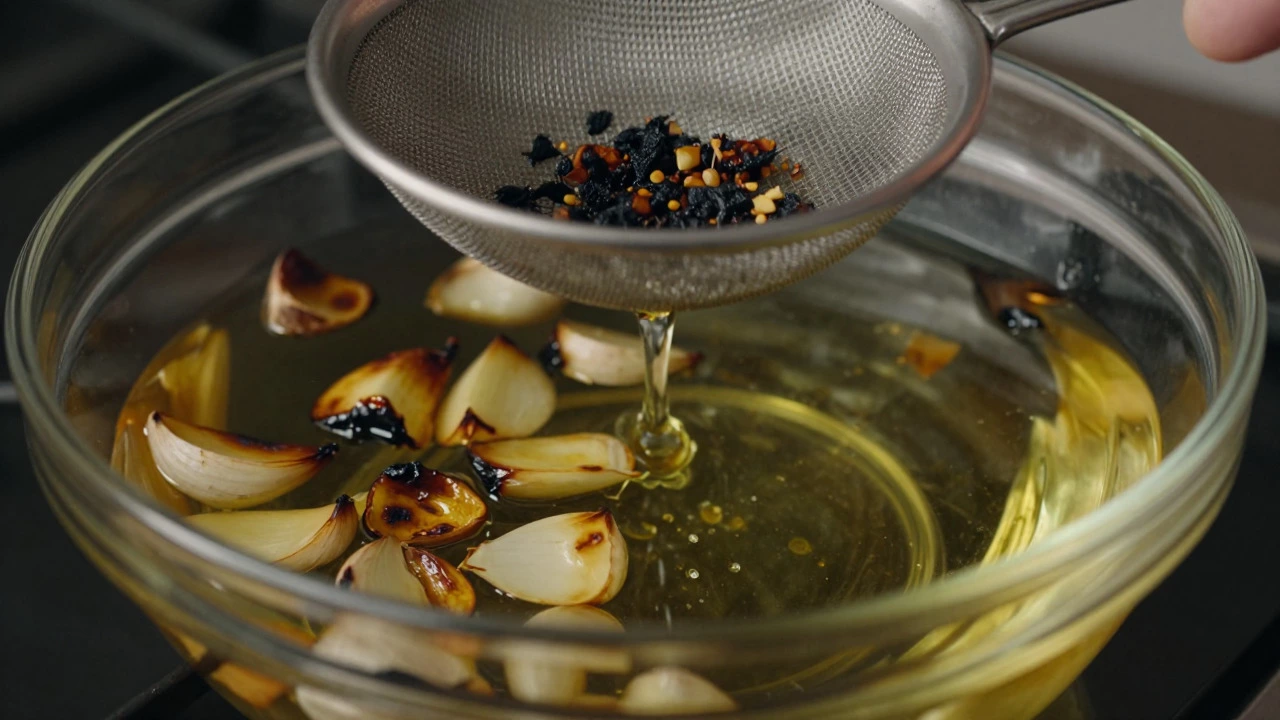
If your garlic burned, taste the oil. If it tastes bitter, strain the oil through a fine mesh sieve into a clean pan. Discard the burnt bits. Reheat the strained oil and start your masala base again. It’s better to restart than to serve a bitter curry.
If your garlic stayed raw and sharp, don’t panic. Add a splash of water to the pan after the tomatoes are in. Simmer for an extra five minutes. The acid from the tomatoes and the continued heat will help mellow out the sharp edge of the raw garlic. Adding a pinch of sugar can also balance out excessive pungency.
Can I add garlic and ginger at the end of cooking?
Generally, no. Adding them at the end leaves them raw and harsh. They need heat to release their aromatic oils. However, you can add a small amount of fresh minced garlic as a garnish right before serving to get a bright, sharp kick, similar to how some Thai dishes use raw garlic. But for the base flavor, always cook it early.
Why does my garlic taste bitter?
Bitterness is almost always caused by burning. Garlic contains sulfur compounds that turn acrid when overheated. To prevent this, keep the heat on medium, stir constantly, and remove the aromatics from direct heat as soon as they turn golden brown.
Should I use fresh ginger or dried ground ginger?
Fresh ginger is preferred for curries because it provides a complex, fibrous texture and a bright, spicy heat. Dried ground ginger is more intense and less nuanced. If using dried ginger, add it along with the other powdered spices (after the tomatoes), not with the fresh aromatics, as it can burn easily.
Does the type of oil affect the timing?
Yes. Oils with lower smoke points like olive oil or butter (unclarified) require lower heat and quicker handling. Neutral oils like vegetable, canola, or mustard oil can handle higher heat, giving you a slightly wider window before burning. Ghee is excellent for flavor and has a high smoke point, making it forgiving for beginners.
How much garlic and ginger should I use for one chicken curry?
For a standard recipe serving four people (about 1kg of chicken), use roughly 4-5 cloves of garlic and a 1-inch piece of ginger, both minced. Adjust based on personal preference. If you love a strong kick, go up to 6 cloves and 1.5 inches of ginger.