Chicken Marinade Safety & Timing Checker
Result
Select the ingredients you plan to add to see potential issues.
Don't reuse raw marinade! If you want to use it as a sauce, boil it first.
You've spent an hour mixing spices, squeezing lemons, and whisking yogurt. You think you're ready for the best tandoori chicken of your life. But then you add that splash of vinegar or a handful of fresh garlic cloves straight into the bowl. Two hours later, the texture is mushy, and the flavor tastes like metal. Why? Because not everything belongs in a marinade. Some ingredients break down meat too fast, burn instantly on the grill, or simply clash with the delicate balance of Indian spices.
If you want juicy, charred perfection without the kitchen disasters, you need to know what to leave out. This isn't just about taste; it's about chemistry and heat management. Let's look at the specific things you should keep far away from your raw chicken bowl.
Fresh Garlic and Onion Can Burn Before They Cook
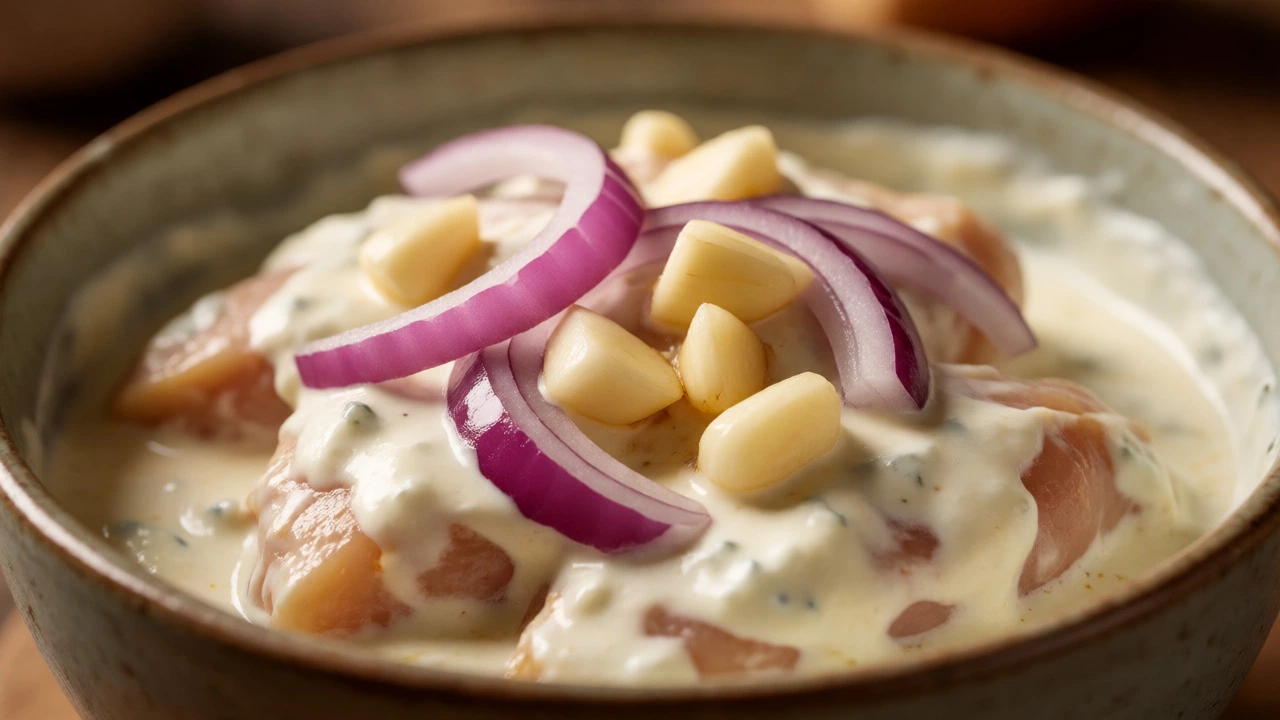
This is the number one mistake home cooks make when aiming for that restaurant-style char. Fresh garlic and raw onion slices contain high amounts of water and sugars. When you throw them onto a hot grill or into a scorching oven, they don't caramelize gently. They carbonize. Fast.
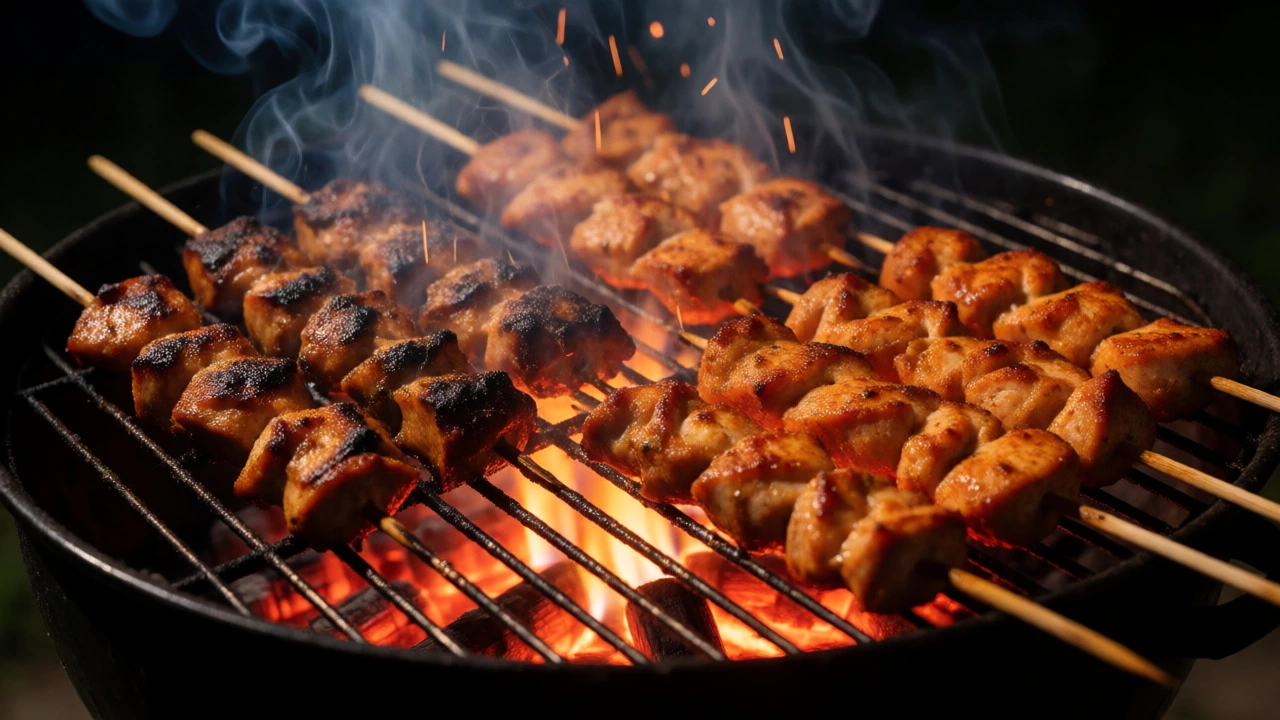
Think about the last time you grilled skewers. Did those little white bits of garlic turn black and bitter before the chicken was even cooked through? That's because garlic burns at around 140°C (285°F), while chicken needs internal temperatures of 74°C (165°F) and external searing temps often exceeding 200°C (390°F). The result is acrid, burnt flecks stuck to perfectly good meat.
The Fix: Use garlic paste or powder instead of chunks. If you love the freshness of onions, blend them into a smooth puree first. This ensures they cook evenly and integrate into the sauce rather than sitting on top as distinct, burnable pieces. For tandoori styles, dried kasuri methi (dried fenugreek leaves) offers that aromatic punch without the burning risk.
Too Much Acid Turns Meat Mushy
Acid is essential in marinades. Lemon juice, vinegar, yogurt, and buttermilk all help tenderize meat by breaking down protein bonds. But there is a tipping point. Add too much acid, or marinate for too long, and the proteins denature excessively. Instead of becoming tender, the surface of the chicken turns chalky, dry, or worse, mushy and pasty.
Yogurt-based marinades, common in Indian cuisine, are gentler than vinegar or citrus because the lactic acid acts slowly. However, if you use pure lemon juice and let chicken sit for six hours, you'll end up with a texture similar to ceviche-cooked by acid, not heat. Nobody wants rubbery ceviche-chicken under their spice crust.
| Ingredient Type | Max Marinating Time | Risk Factor |
|---|---|---|
| Yogurt / Buttermilk | 4-12 hours | Low risk; gentle tenderizing |
| Lemon / Lime Juice | 1-2 hours | High risk; rapid protein breakdown |
| Vinegar (White/Cider) | 1-2 hours | Medium risk; can overpower spices |
| Pineapple / Papaya Enzymes | 30-45 minutes | Extreme risk; turns meat to mush |
Sugar Burns Faster Than You Think
Sweetness balances the heat of chili and the tang of yogurt. Honey, maple syrup, or brown sugar are popular additions. But here is the problem: sugar has a low smoking point. On a charcoal grill or in a broiler, sugars caramelize quickly, then burn. Blackened, bitter patches ruin the visual appeal and taste of your dish.
In traditional tandoori recipes, the sweetness usually comes from the natural sugars in tomatoes or onions, which cook down over time. Adding heavy syrups directly to the marinade for high-heat cooking is a gamble. If you must use honey, mix it with oil to coat the chicken, creating a barrier that slows down direct contact with the flame.
Olive Oil Is Not Always Your Best Friend
We often default to olive oil because we have it in the pantry. Extra Virgin Olive Oil (EVOO) has a relatively low smoke point, around 190°C (375°F). Tandoori chicken, especially when finished under a broiler or on a hot grill, often exceeds this temperature. The oil breaks down, releasing unpleasant compounds and losing its health benefits.
For high-heat Indian cooking, refined oils like sunflower, canola, or grapeseed oil are better choices. They handle heat well and don't impart a strong grassy flavor that might clash with garam masala. Ghee (clarified butter) is another excellent option, offering a rich, nutty aroma that complements the spices, provided you watch the heat closely as milk solids are removed during clarification, raising the smoke point significantly compared to regular butter.
Raw Spices Can Taste Bitter or Raw
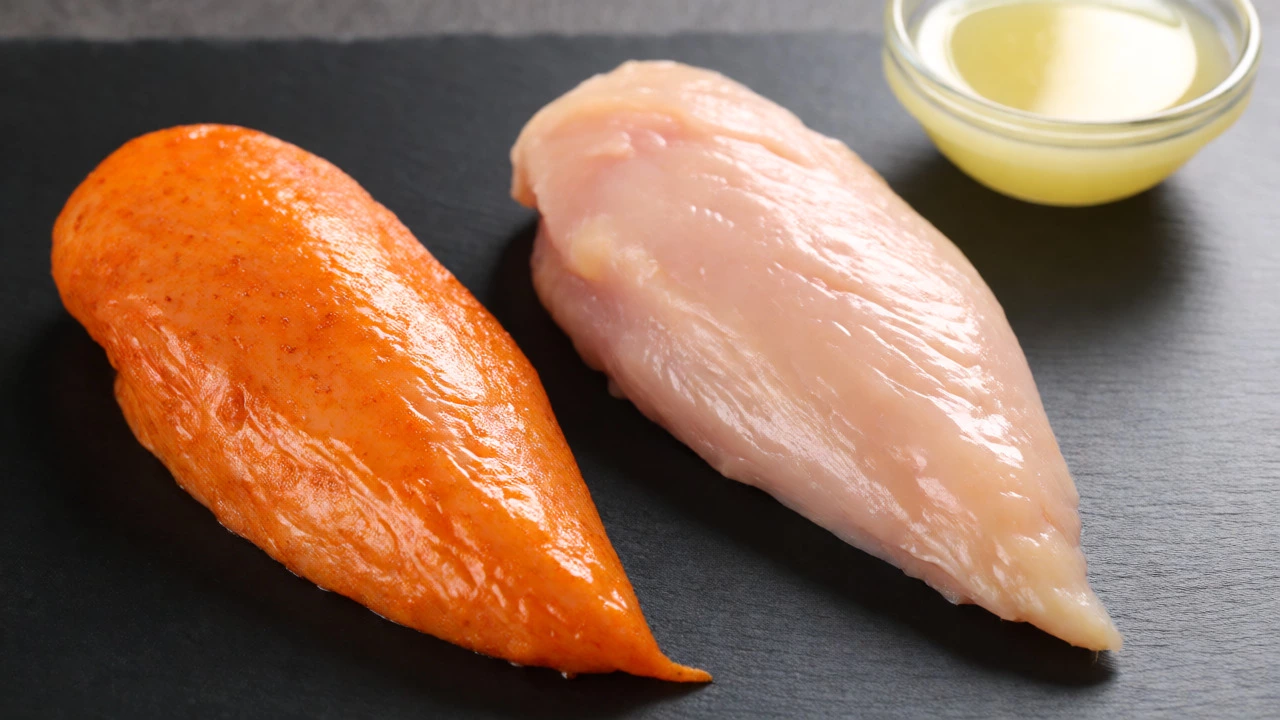
There is a difference between whole spices, ground spices, and fresh herbs. Throwing raw cumin seeds or whole coriander seeds into a wet marinade won't release their full potential. They remain hard and gritty. Worse, some ground spices like turmeric or paprika can taste dusty and metallic if they aren't bloomed in fat or acid properly.
Blooming means heating spices briefly in oil or ghee before adding them to the marinade. This process releases essential oils, deepening the flavor profile. If you skip this step, your chicken will taste like it's been dusted with raw powder rather than infused with complex aromatics. For quick marinades, ensure your spice blends are freshly ground or pre-bloomed.
Alcohol Doesn't Tenderize Like You Think
Many people believe beer or wine tenderizes meat. While alcohol does help dissolve certain flavor compounds, it doesn't break down proteins effectively. In fact, high concentrations of alcohol can actually toughen the outer layer of the meat by drawing out moisture through osmosis.
If you use beer in a marinade, use it sparingly and primarily for flavor, not tenderness. And remember, alcohol doesn't fully evaporate during short grilling times. If you're serving kids or avoiding alcohol entirely, stick to yogurt or lemon bases. They provide acidity and creaminess without the toughening effect.
Don't Forget Food Safety Basics
It sounds obvious, but reusing marinade that touched raw chicken is a classic error. Once raw chicken juices leak into the bowl, bacteria like Salmonella and Campylobacter are present. Pouring that same liquid over cooked chicken or using it as a dipping sauce without boiling it first is a recipe for stomach trouble.
If you want a sauce, set aside a portion of the marinade before adding the raw chicken. Or, boil the used marinade for at least five minutes to kill pathogens before serving. Never serve raw-marinated sauce unless it has been treated.
Common Mistakes Checklist
- Adding fresh garlic/onion chunks: They burn easily. Use pastes or powders.
- Over-acidifying: Too much lemon/vinegar makes meat mushy. Limit time.
- Using high-sugar glazes early: Sugar burns before meat cooks. Apply late.
- Choosing low-smoke-point oils: EVOO smokes at high heat. Use refined oils or ghee.
- Skipping the bloom: Raw spices taste flat. Heat them in oil first.
- Reusing raw marinade: Risk of bacterial contamination. Boil or discard.
Frequently Asked Questions
Can I use baking soda in my chicken marinade?
Yes, but be careful. A small pinch of baking soda raises the pH level, helping the chicken retain moisture and brown faster. However, too much creates a soapy, metallic taste and a slippery texture. Use no more than half a teaspoon per pound of chicken, and rinse it off after 15-20 minutes if you are sensitive to the taste.
Why did my tandoori chicken turn red/pink inside?
This is often due to the reaction between nitrites in curing salts (if used) or myoglobin in the meat reacting with acids and heat. It doesn't necessarily mean the chicken is undercooked. Always check the internal temperature with a meat thermometer. If it reads 74°C (165°F), it is safe to eat, regardless of color.
Should I salt my chicken before or after marinating?
Salt draws out moisture via osmosis. If you salt heavily right before cooking, it pulls water to the surface, preventing a good sear. Ideally, salt your chicken 40 minutes to an hour before cooking, allowing the moisture to reabsorb with the salt dissolved. In yogurt marinades, the salt content is usually balanced within the yogurt itself, so additional salting should be minimal.
Is it okay to marinate chicken overnight?
With yogurt-based marinades, yes. Yogurt is mild enough that it won't destroy the texture over 12-24 hours. With acidic marinades (lemon, vinegar), overnight is risky. The acid will continue to break down proteins, leading to a chalky or mushy exterior. Stick to 2-4 hours for high-acid mixes.
What oil is best for tandoori chicken?
Ghee is traditional and adds authentic flavor. Refined mustard oil is also popular in North Indian cooking for its pungent kick, though it must be heated until it smokes slightly to remove the raw taste. Neutral oils like canola or sunflower work well if you want the spices to shine without extra flavor interference.
Next Steps for Perfect Chicken
Now that you know what to exclude, focus on building a balanced marinade. Start with a base of thick Greek yogurt or hung curd. Bloom your spices in a teaspoon of warm ghee. Mix in ginger-garlic paste, not chunks. Add a squeeze of lemon just before coating the chicken. Pat the chicken dry before applying the marinade to ensure it sticks and doesn't slide off. Grill on high heat, watching closely to prevent burning. Your tandoori chicken will be vibrant, flavorful, and perfectly textured.