Indian Snack Health Impact Calculator
Select Your Daily Snacks
Select the snacks you typically consume in a day to see their cumulative health impact.
Your Health Report Awaits
Select your typical daily snacks and click analyze to see how they affect your metabolic health.
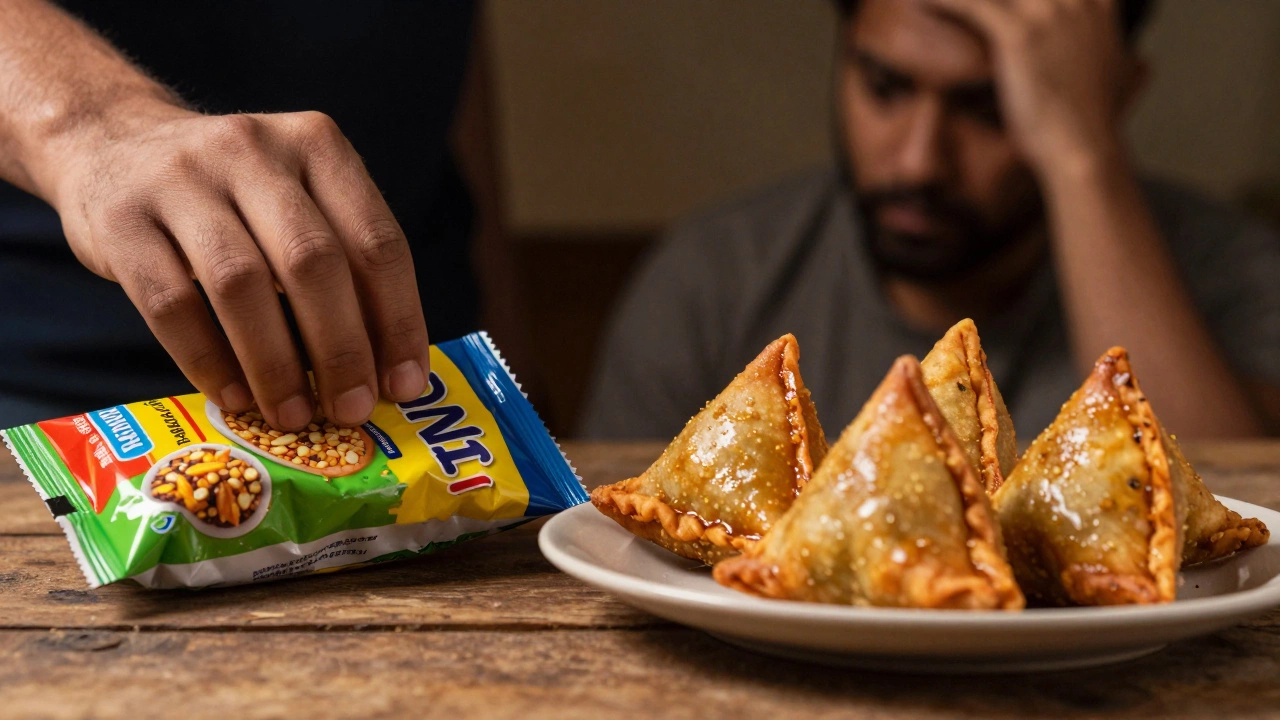
Picture this: You are craving something crunchy. You reach for a packet of namkeen or maybe a plate of freshly made samosas. It tastes amazing. But deep down, you wonder if it is doing your body any favors. We all know that junk food isn't great for us, but pinpointing the absolute worst offender is tricky. There is no single "number one" unhealthy food in the world because context matters. However, when we look at the Indian pantry and street stalls, a few contenders consistently rise to the top due to their impact on blood sugar, heart health, and weight management.
The real culprit isn't just one ingredient; it is a dangerous combination. In Indian cuisine, the most harmful foods usually share three traits: they are deep-fried in refined oils, loaded with refined white flour (maida), and packed with hidden sugars or excessive salt. When these elements combine, they create a metabolic bomb. Let's break down why certain popular Indian snacks are so damaging and, more importantly, how you can swap them for healthier options without sacrificing flavor.
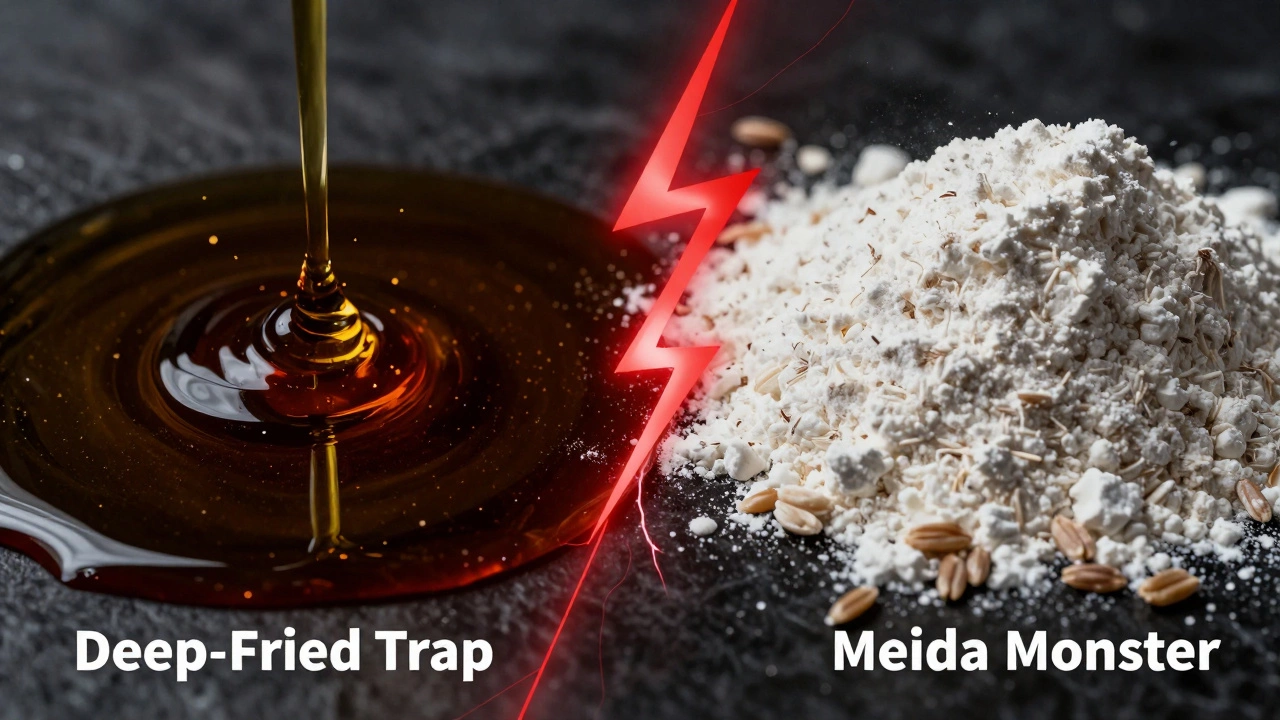
The Deep-Fried Trap: Why Oil Matters More Than You Think
Deep frying is the primary reason many traditional Indian snacks become unhealthy. While frying itself isn't evil, the type of oil and the frequency of consumption make all the difference. Many households and street vendors use refined vegetable oils like sunflower or palm oil repeatedly. These oils often contain high levels of trans fats and omega-6 fatty acids, which promote inflammation in the body.
Consider the humble bhujia. This crispy snack is made from gram flour, but it is deep-fried until golden brown. A small handful might seem innocent, but it can contain upwards of 150 calories and significant amounts of saturated fat. When you eat this daily, those calories add up quickly. The problem worsens when the oil is reused multiple times, as happens in many commercial settings. Reused oil develops harmful compounds that increase the risk of cardiovascular disease.
To make smarter choices, look for snacks that are roasted or baked instead of fried. Roasted makhana (fox nuts) or air-popped popcorn provide that same crunch without the grease. If you must have fried items, limit them to occasional treats rather than daily staples. Your heart will thank you.
The Maida Monster: Refined Flour's Silent Damage
If there is one ingredient that deserves the title of "most unhealthy" in modern Indian diets, it is maida, or refined wheat flour. Unlike whole wheat, maida has been stripped of its fiber, vitamins, and minerals during processing. What remains is pure starch that spikes your blood sugar rapidly.
This spike triggers a surge of insulin, leading to a crash shortly after. That crash leaves you feeling tired and hungry again, creating a cycle of overeating. Foods like naan, paratha (when made with maida), and various bakery items rely heavily on this refined flour. Even some "healthy" looking biscuits are primarily maida disguised with a few seeds on top.
The lack of fiber means these foods move through your digestive system too quickly, offering little satiety. Over time, regular consumption of maida-based products contributes to insulin resistance, type 2 diabetes, and obesity. Switching to whole grain flours like whole wheat, jowar (sorghum), or ragi (finger millet) can dramatically improve your metabolic health. These alternatives retain their bran and germ, providing essential nutrients and keeping you fuller for longer.
Sugar in Disguise: The Sweet Danger
We often think of sugar only in terms of sweets like gulab jamun or rasgulla. While these desserts are undoubtedly high in sugar, the real danger lies in the unexpected places. Many savory Indian snacks contain surprising amounts of added sugar to balance out spices or enhance flavor.
Take instant noodles, for example. A popular late-night snack in India, a single pack can contain nearly half the recommended daily intake of sodium, along with hidden sugars and preservatives. Similarly, many fruit juices marketed as healthy are loaded with concentrated fruit sugars that hit your bloodstream almost as fast as soda. Even some chutneys and marinades use sugar as a thickener or flavor enhancer.
The World Health Organization recommends limiting added sugar to less than 10% of total energy intake, ideally below 5%. For an average adult, that is about 25 grams per day. It is easy to exceed this limit before lunch if you start your morning with sugary tea or a sweet breakfast item. Reading labels carefully is crucial. Look for terms like sucrose, glucose syrup, high-fructose corn syrup, and maltodextrin, which are all forms of added sugar.
| Unhealthy Option | Why It's Bad | Healthy Alternative | Benefit |
|---|---|---|---|
| Namkeen (Fried) | High trans fats, excessive salt | Roasted Chana | High protein, fiber-rich, low calorie |
| Maida Paratha | Spikes blood sugar, low nutrient density | Jowar Roti | Whole grain, steady energy release |
| Instant Noodles | High sodium, refined carbs, preservatives | Vegetable Soup | Hydrating, nutrient-dense, low sodium |
| Sweet Lassi | High sugar, high calorie | Salted Lassi | Probiotic benefits, electrolytes, no sugar spike |
Processed Meats and Packaged Goods
While not traditionally Indian, processed meats like sausages, bacon, and ham have gained popularity in urban centers. These foods are classified as Group 1 carcinogens by the International Agency for Research on Cancer due to their link to colorectal cancer. They are typically high in sodium, nitrates, and unhealthy fats.
In the context of Indian snacks, packaged chips and extruded snacks fall into a similar category. Brands often use artificial flavors, colors, and preservatives to extend shelf life. These additives can disrupt gut health and contribute to long-term inflammation. Choosing homemade snacks allows you to control ingredients and avoid unnecessary chemicals.
How to Identify Hidden Unhealthy Ingredients
Becoming a savvy consumer starts with reading labels. Here is a quick checklist to help you spot red flags:
- Ingredient List Length: If you can't pronounce half the ingredients, put it back. Simple is better.
- Sugar Variations: Check for hidden sugars listed under different names.
- Fat Type: Avoid anything with "partially hydrogenated" oils, which indicate trans fats.
- Sodium Content: Aim for snacks with less than 200mg of sodium per serving.
- Fiber Content: Higher fiber generally indicates a less processed product.
Building a Healthier Snack Habit
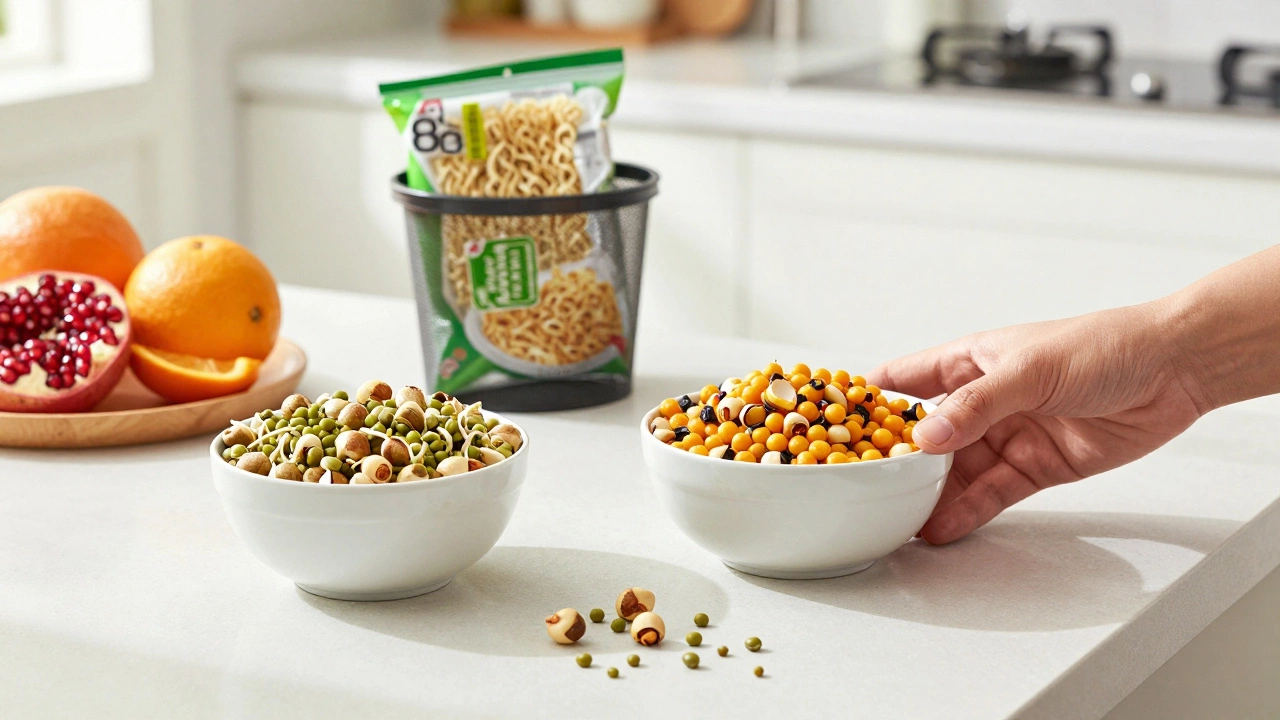
Changing your diet doesn't mean giving up all your favorite foods. It means making mindful swaps. Instead of banning snacks entirely, focus on quality over quantity. Keep a bowl of fresh fruits, nuts, or seeds visible in your kitchen. Prepare batches of roasted makhana or chickpeas at the beginning of the week for easy access.
When eating out, ask for modifications. Request that your samosa be baked instead of fried, or ask for less oil in your stir-fry. Small changes accumulate over time, leading to significant health improvements. Remember, consistency beats perfection. One unhealthy meal won't ruin your health, but a pattern of poor choices will.
The Role of Portion Control
Even healthy foods can become unhealthy if eaten in excess. A handful of almonds is nutritious; a whole bag is a calorie bomb. Understanding portion sizes is key to maintaining a balanced diet. Use smaller plates, serve snacks in small bowls, and pay attention to hunger cues. Stop eating when you are satisfied, not stuffed.
Conclusion: Empowerment Through Knowledge
There is no single "number one" unhealthy food, but understanding the patterns helps you make better decisions. By avoiding deep-fried items, reducing maida and added sugars, and choosing whole, minimally processed foods, you can protect your health while still enjoying delicious Indian flavors. Start small, stay consistent, and prioritize nourishment.
Is namkeen really bad for you?
Traditional fried namkeen is high in unhealthy fats and sodium, which can raise blood pressure and cholesterol. Opt for roasted versions or homemade alternatives using minimal oil to reduce health risks.
What is the healthiest Indian snack?
Roasted makhana (fox nuts), sprouted moong beans, and fresh fruits are among the healthiest options. They are rich in fiber, protein, and antioxidants while being low in calories and unhealthy fats.
Can I eat parathas every day?
Daily consumption of maida-based parathas is not recommended due to their high refined carb content. Switch to whole wheat or multigrain flours and limit oil usage to make them a healthier part of your routine.
Are instant noodles completely unhealthy?
Instant noodles are highly processed, containing high levels of sodium, unhealthy fats, and preservatives. While occasional consumption is unlikely to cause immediate harm, regular intake can negatively impact heart health and digestion.
How much sugar should I consume daily?
The WHO recommends limiting added sugar to less than 10% of total daily calories, ideally below 5%. For most adults, this translates to about 25 grams or 6 teaspoons per day.