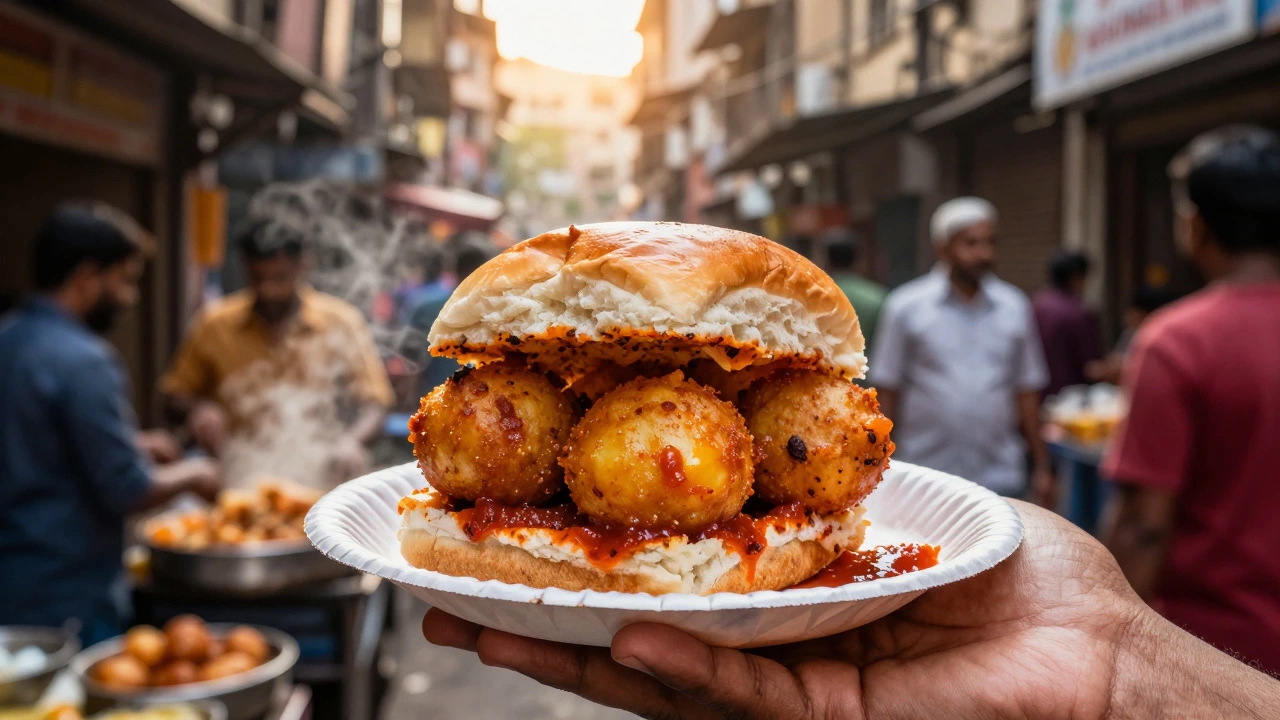
Find Your Regional Identity
India has no single national dish. Take this quick quiz to see which regional cuisine best matches your palate and lifestyle.
Step 1: Choose Your Top Contender
Which dish do you find most appealing? This represents your primary culinary interest.
Butter Chicken
Creamy, Rich, MildBiryani
Aromatic, Spiced, LayeredMasala Dosa
Crispy, Fermented, VegVada Pav
Street Food, Fast, SpicyLoading...
Analyzing your palate...
Flavor Profile Match
Walk into any Indian restaurant in Auckland or London, and you’ll likely be handed a menu with over fifty options. From fiery vindaloos to creamy kormas, it’s easy to feel overwhelmed. But if you ask a dozen different Indians what the national dish of their country is, you might get twelve different answers. That’s because India doesn’t have one single official national dish declared by the government. Instead, it has a complex tapestry of regional cuisines that compete for the title.
The question "What is the national dish of India?" usually sparks a debate between Butter Chicken (Murgh Makhani) and Biryani. Some argue for Masala Dosa, while others defend Chole Bhature. To understand why there is no single answer, we need to look at how food defines identity in a subcontinent as diverse as India. The "national" flavor isn't just about popularity; it's about history, religion, and geography.
Why There Is No Single Official Answer
India is not just a large country; it is a collection of distinct cultural zones. The food in Kerala tastes nothing like the food in Punjab, and neither resembles the diet of West Bengal. This diversity stems from historical trade routes, religious dietary restrictions, and local agricultural outputs.
- Geography: Coastal states rely on fish and coconut, while northern states favor wheat, dairy, and meat.
- Religion: Hindu vegetarianism dominates many regions, leading to the invention of rich paneer and dal dishes, whereas Muslim-influenced areas developed complex meat curries and rice preparations.
- History: The Mughal Empire introduced Persian techniques to the north, creating dishes like Korma and Biryani, which later spread across the country.
Because of this, any claim to a "national" dish is really a claim to the most widely recognized export of Indian culture. For decades, international surveys have pointed to two main contenders: Butter Chicken and Biryani. Let’s break down why these two hold such power.
The Contenders: Butter Chicken vs. Biryani
If you poll expatriates and non-Indians worldwide, Butter Chicken is a North Indian dish consisting of tandoori chicken simmered in a spiced tomato-butter sauce. It was created in Delhi in the 1950s by Kundan Lal Gujral at Moti Mahal restaurant. Its creamy, mild flavor makes it an accessible entry point for those new to spicy foods. It has become the global ambassador for Indian taste.
On the other side of the fence is Biryani, a mixed rice dish made with aromatic basmati rice, spices, and meat or vegetables, layered and slow-cooked. Biryani has roots in the Mughal court but has evolved into dozens of regional variations, from the Hyderabadi style in the south to the Lucknowi style in the north. It is often served at weddings and festivals, making it culturally significant beyond just being a meal.
| Dish Name | Origin Region | Key Ingredients | Cultural Significance |
|---|---|---|---|
| Butter Chicken | Delhi (North) | Tandoori chicken, tomatoes, cream, butter | Global icon of modern Indian cuisine |
| Biryani | National (Mughal roots) | Basmati rice, saffron, meat/veg, whole spices | Festive dish, symbol of hospitality |
| Masala Dosa | Karnataka (South) | Rice-lentil crepe, potato filling, chutney | Icon of South Indian breakfast culture |
| Chole Bhature | Punjab/Delhi (North) | Chickpea curry, fried bread | Street food staple, comfort food |
The Southern Challenge: Why Dosa Might Be the Real Winner
While the north gets the spotlight internationally, the south of India has its own heavyweight contender: Masala Dosa is a fermented crepe made from rice and black lentils, filled with spiced potatoes. In cities like Bangalore and Chennai, the dosa is not just food; it is a lifestyle. It is eaten for breakfast, lunch, and dinner. The process of fermenting the batter takes time and skill, and the crispiness of the final product is a mark of culinary pride.
For many South Indians, calling Butter Chicken the national dish feels like ignoring half the country. The dosa represents the ingenuity of using simple ingredients-rice and lentils-to create something hearty and nutritious without relying heavily on meat or dairy. It is a testament to the vegetarian tradition that has shaped much of Indian cooking.
Regional Pride and Street Food Icons
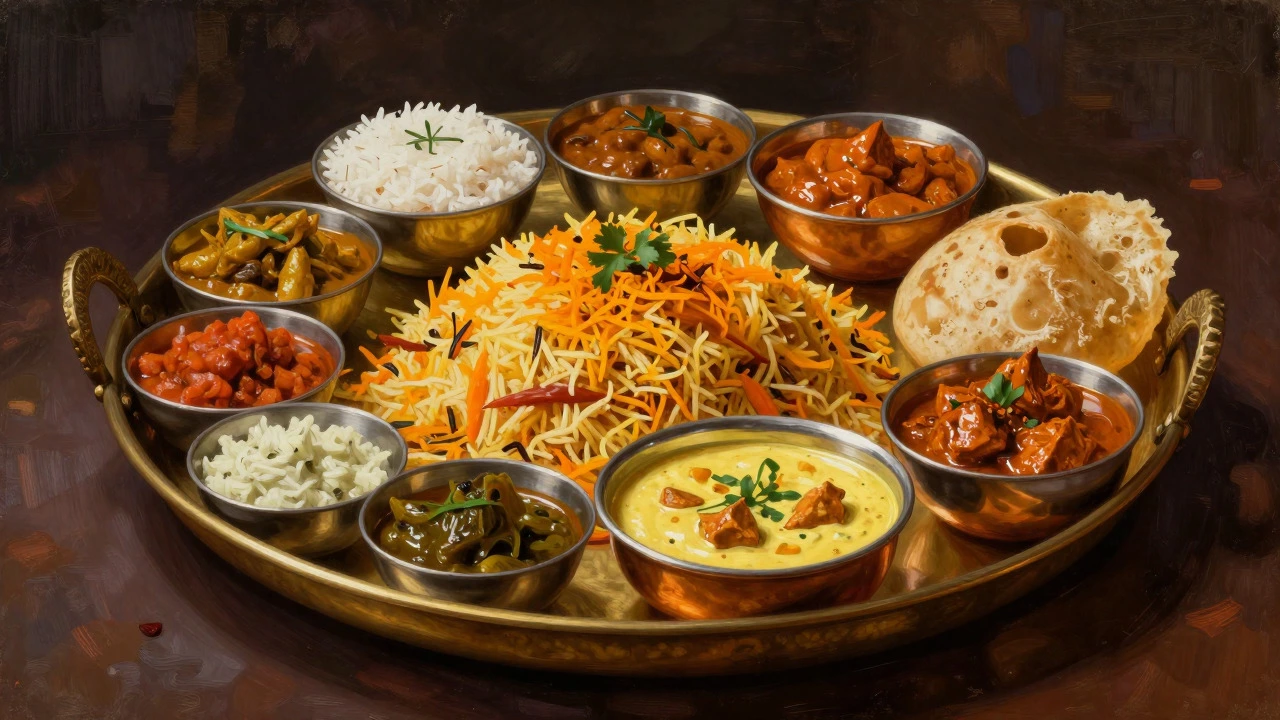
Beyond the big names, specific regions fiercely protect their local favorites. In Kolkata, Kolkata Biryani is distinct from its northern cousins, often including potatoes and boiled eggs. In Mumbai, Vada Pav is a spicy potato fritter sandwiched in a bun, known as the 'poor man's burger'. It is cheap, fast, and incredibly popular among students and workers.
In Gujarat, the state is famous for its thalis, which include small portions of various sweet, salty, and spicy dishes. Here, the "dish" is the combination itself, emphasizing balance over a single dominant flavor. These regional specialties prove that the concept of a national dish is fluid. What matters more than a single label is the shared love for spice, aroma, and communal eating.
How to Cook a Simplified Version at Home
You don’t need to be in Delhi or Hyderabad to experience these flavors. You can recreate the essence of these "national" contenders in your own kitchen with basic equipment. If you are looking for an easy entry point, try a simplified version of Butter Chicken or a quick Dal Fry.
- Prep the Base: Sauté onions, garlic, and ginger until golden. Add cumin seeds and turmeric.
- Add the Liquid: Stir in canned tomatoes or tomato puree. Simmer until thickened.
- Incorporate Protein: Add pre-cooked chicken pieces or chickpeas. Season with garam masala and salt.
- Finish with Cream: Stir in heavy cream or yogurt for richness. Heat through gently.
- Serve: Pair with naan, roti, or steamed basmati rice.
This method works for almost any Indian curry. The key is layering flavors: start with aromatics, build the sauce, add the main ingredient, and finish with fat (cream, ghee, or butter) to mellow out the heat.
Common Misconceptions About Indian Food
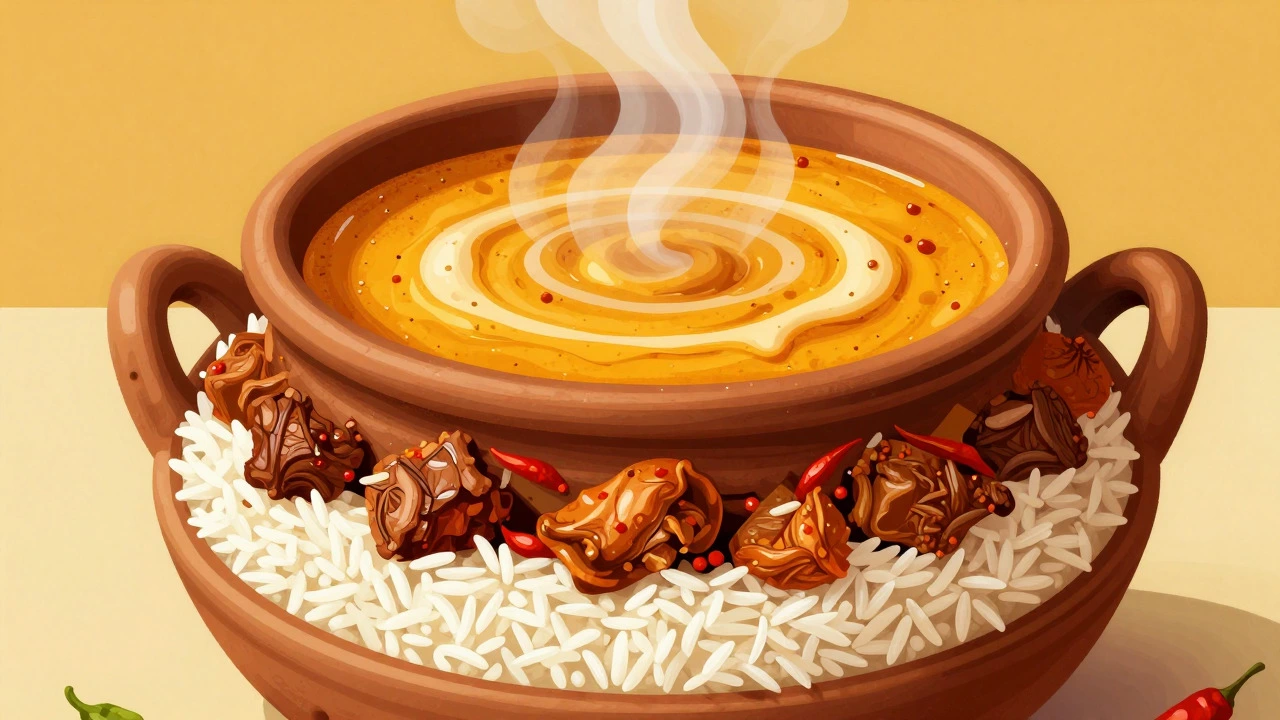
Many people outside India think all Indian food is extremely spicy. While heat is a component, Indian cuisine is actually about complexity. A good curry balances sweet, sour, salty, bitter, pungent, and astringent tastes. Another misconception is that Indian food is only for special occasions. In reality, it is everyday fuel. Families cook dal, rice, and sabzi (vegetable curry) multiple times a week. It is practical, affordable, and deeply comforting.
Also, the idea that "curry" is a single type of dish is outdated. The word "curry" itself is a British colonial term used to describe various stew-like preparations. Modern Indian chefs prefer specific names like Vindaloo, Rogan Josh, or Palak Paneer to honor the unique identity of each recipe.
FAQ
Is Butter Chicken really from India?
Yes, Butter Chicken (Murgh Makhani) originated in Delhi in the 1950s. It was invented to use up leftover tandoori chicken by simmering it in a creamy tomato sauce. It has since become one of the most popular Indian dishes globally.
What is the most common Indian street food?
While Vada Pav is iconic in Mumbai, Chaat (a mix of savory snacks) is popular across the country. Samosas and Pakoras are also ubiquitous street foods found in nearly every city, served with chutneys and pickles.
Can I make Indian food without a gas stove?
Absolutely. Most Indian dishes can be made on an electric stovetop, induction cooktop, or even in a slow cooker. The key is patience. Slow cooking allows spices to meld together, which is crucial for authentic flavor.
Which Indian dish is best for beginners?
Dal Tadka is an excellent starting point. It requires minimal ingredients (lentils, oil, cumin, garlic, chili) and teaches you the fundamental technique of tempering spices. It is healthy, vegetarian, and very forgiving to prepare.
Does India have an official national dish?
No, the Indian government has never officially designated a single national dish. However, Butter Chicken and Biryani are widely considered the de facto representatives of Indian cuisine on the global stage due to their popularity and recognition.