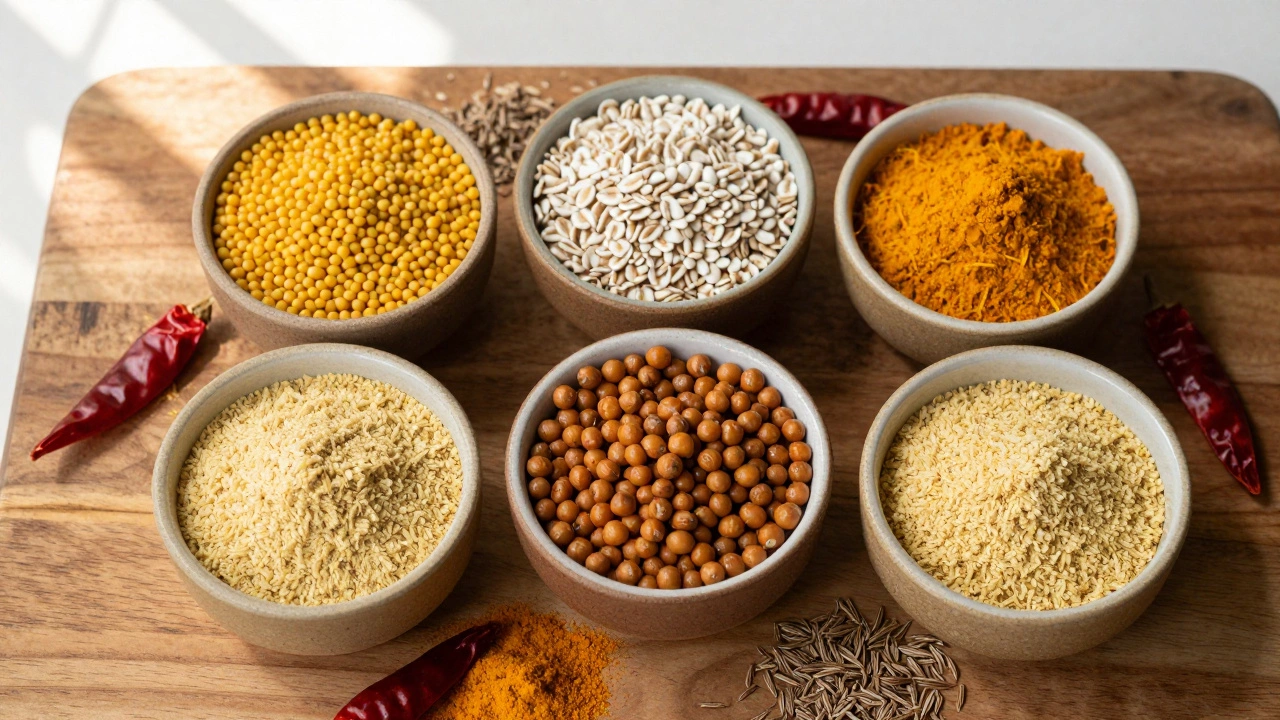
Snack time in India often feels like a trap. You reach for a packet of biscuits, a bowl of chips, or a street-side samosa, only to realize you've just consumed more calories than your entire lunch. The struggle to find something tasty that doesn't wreck your diet is real. But here is the truth: Indian cuisine is packed with ingredients that are naturally nutritious, filling, and incredibly flavorful. You just need to know which ones to pick.
Finding the best option isn't about cutting out flavor; it is about choosing ingredients that fuel your body instead of weighing it down. We are looking at snacks that balance protein, fiber, and healthy fats without relying on deep frying or excessive sugar. This guide breaks down exactly which options win the title and how to prepare them so they actually taste good.
Quick Summary
- Moong Dal Chilla leads the pack for high protein and gluten-free needs.
- Roasted Makhana offers the lowest calorie crunch without the guilt.
- Sprouted Moong Salad provides the best fiber boost for digestion.
- Ragi Muthi is the top choice for calcium and sustained energy.
- Roasted Chana wins for convenience and satiety on a budget.
Why Traditional Snacks Miss the Mark
When you think of Indian snacks, your mind might jump to pakoras, samosas, or namkeen. These foods are delicious, but they are usually made with refined flour (maida) and deep-fried in oil. This combination spikes your blood sugar and leaves you feeling sluggish. The problem isn't the flavor; it is the cooking method and the base ingredient.
Most store-bought options also hide trans fats and excessive sodium to extend shelf life. Eating these regularly can lead to bloating, weight gain, and low energy levels in the afternoon. To find the healthy indian snacks that truly work, you need to shift focus to whole grains, legumes, and seeds. These ingredients naturally contain the nutrients your body craves without the processed additives.
The Top Contenders for the Healthiest Title
Not all healthy options are created equal. Some are better for weight loss, while others are better for muscle building or blood sugar control. Here are the five champions that stand out in the Indian kitchen.
1. Moong Dal Chilla
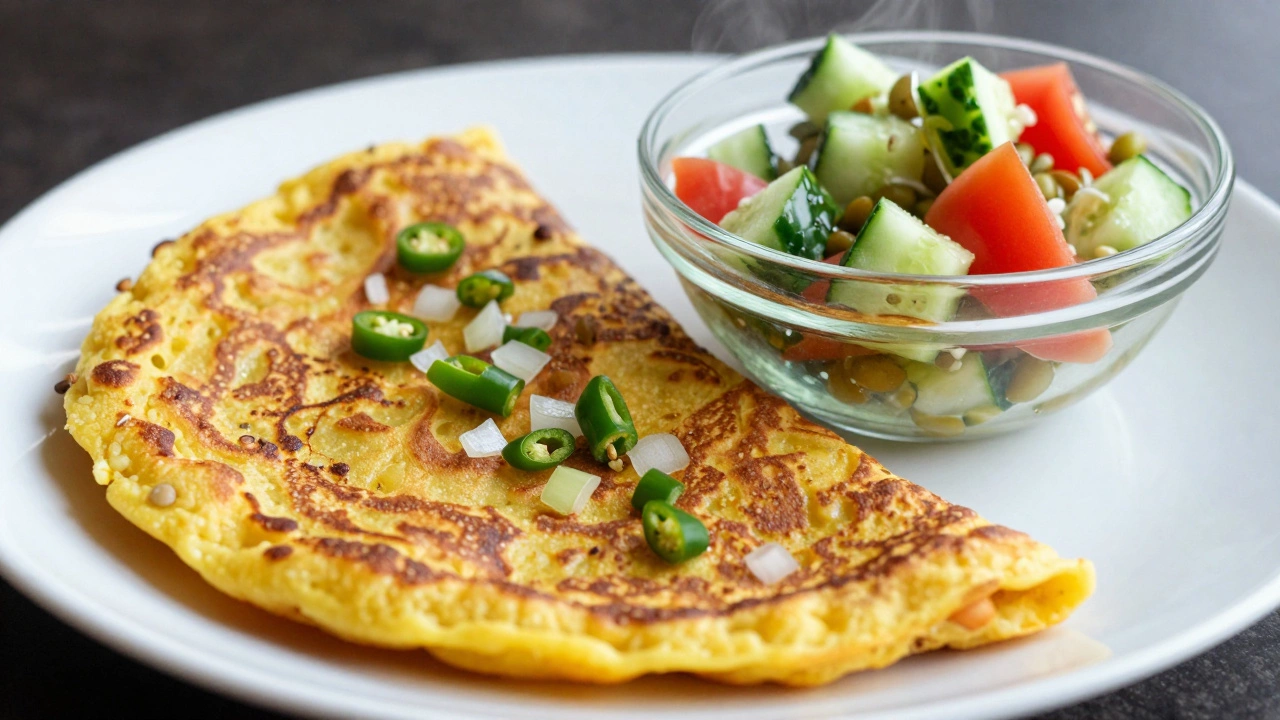
Moong Dal Chilla is a savory pancake made from soaked and ground yellow moong dal. It is the ultimate high-protein snack that keeps you full for hours. Unlike wheat or rice pancakes, these are gluten-free and easy to digest. You can pack them with spinach, onions, and green chilies for extra vitamins.
One serving typically contains around 150 calories and 8 grams of protein. This makes it superior to a slice of bread or a bowl of cereal. The batter cooks quickly in a non-stick pan with minimal oil, preserving the nutritional value of the lentils. It is a staple for anyone trying to manage diabetes or build lean muscle mass.
2. Roasted Makhana (Fox Nuts)
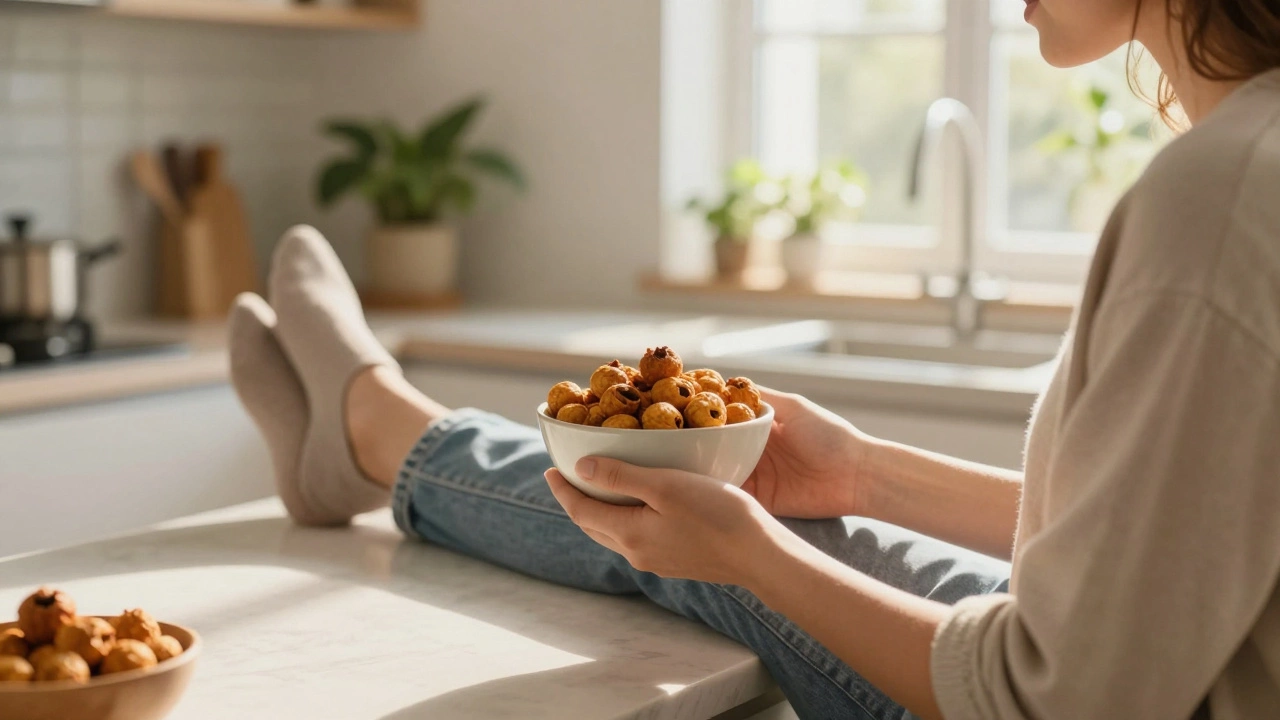
Roasted Makhana is a low-calorie, gluten-free snack derived from lotus seeds. These puffed seeds are naturally crunchy and absorb spices well. You can roast them with ghee, turmeric, and black salt for a flavor that rivals potato chips. They are incredibly light, meaning you can eat a larger volume without consuming too many calories.
A standard handful contains roughly 100 calories. They are rich in magnesium and antioxidants, which help reduce inflammation. Because they are low in carbohydrates compared to other snacks, they do not cause a rapid spike in insulin. This makes them a favorite for those following a keto or low-carb diet.
3. Sprouted Moong Salad
Sprouted Moong Salad is a raw dish made from germinated mung beans mixed with vegetables. Sprouting increases the bioavailability of nutrients, meaning your body absorbs more vitamins and minerals. It is loaded with fiber, which aids digestion and keeps your gut healthy. You can mix in cucumber, tomatoes, and a lemon dressing for freshness.
This snack is hydrating and cooling, perfect for hot afternoons. It provides a significant amount of plant-based protein without the heaviness of cooked meals. Preparing it takes almost no cooking time, making it ideal for busy weekdays. Just ensure you rinse the sprouts thoroughly before eating to maintain hygiene.
4. Ragi Muthi
Ragi Muthi is a traditional finger millet snack shaped into small balls. Finger millet is known for its high calcium content, which is essential for bone health. It has a low glycemic index, meaning it releases energy slowly. This prevents the energy crash you often get after eating sugary snacks.
You can find these ready-to-eat in stores, but making them at home allows you to control the sugar content. They are often sweetened with jaggery or dates, which are better alternatives to refined white sugar. A small portion provides sustained energy for afternoon work or study sessions without the jitters.
5. Roasted Chana (Chickpeas)
Roasted Chana is dry-roasted chickpeas seasoned with spices. This is the most accessible and affordable option on the list. Chickpeas are powerhouses of fiber and protein. They are incredibly satiating, meaning a small bowl can stop cravings for hours.
Roasting them at home ensures there is no added preservative or excessive salt. You can experiment with flavors like peri-peri, lemon pepper, or cumin. They are also shelf-stable, so you can keep a jar in your bag or office drawer. For a quick protein fix, this is hard to beat.
Nutritional Breakdown and Comparison
Numbers help clarify which snack fits your specific goal. Below is a comparison of the top contenders based on a standard serving size.
| Snack Name | Calories (per 100g) | Protein (g) | Fiber (g) | Best For |
|---|---|---|---|---|
| Moong Dal Chilla | 150 | 8 | 4 | Muscle Gain |
| Roasted Makhana | 100 | 4 | 2 | Weight Loss |
| Sprouted Moong | 110 | 6 | 5 | Digestion |
| Ragi Muthi | 200 | 5 | 3 | Bone Health |
| Roasted Chana | 350 | 19 | 10 | Satiety |
Notice how Roasted Chana has higher calories but also the highest protein and fiber. This makes it dense in nutrition. Makhana is the lightest option if you are strictly counting calories. Choose based on what your body needs at that moment.
How to Prepare Them Quickly at Home
Healthy eating often fails because of convenience. If it takes too long to make, you won't do it. Here is how to streamline the process for the most popular options.
- Batch Cook Chillas: Make a large batch of batter on Sunday. Store it in the fridge for up to three days. In the morning, just pour and cook. It takes five minutes per serving.
- Pre-Roast Makhana: Roast a large bowl of makhana with ghee and spices. Store in an airtight jar. They stay crunchy for weeks.
- Keep Sprouts Ready: Soak moong beans overnight. They sprout in 24 hours. Keep them in the fridge and grab a handful whenever you need a snack.
- Season Chana: Buy roasted chana in bulk. Mix with your favorite spices in a bowl. No cooking required.
Preparation is the key to consistency. When the food is ready, you are less likely to reach for unhealthy alternatives.
Customizing for Specific Diet Goals
One size does not fit all. Your snack choice should align with your health objectives.
- For Weight Loss: Stick to Roasted Makhana or Sprouted Moong. They are low in calories and high in volume, allowing you to feel full without overeating.
- For Diabetes Management: Moong Dal Chilla and Ragi Muthi are excellent. They have a low glycemic index and help stabilize blood sugar levels.
- For Muscle Building: Roasted Chana and Moong Dal Chilla provide the necessary protein to repair muscles after workouts.
- For Kids: Ragi Muthi is naturally sweet and appealing. Sprouted salads can be made with colorful veggies to make them fun.
Store-Bought vs. Homemade
You might wonder if packaged versions are okay. While convenient, store-bought snacks often contain added preservatives, artificial flavors, and higher sodium. Homemade versions allow you to control the oil and salt content. However, if you are short on time, look for brands that list whole ingredients and avoid hydrogenated oils.
Reading labels is crucial. Check the sugar content in Ragi Muthi and the sodium in Roasted Chana. If the ingredient list is long and unrecognizable, it is better to skip it. Cooking at home ensures you know exactly what goes into your body.
Common Questions About Healthy Snacking
Can I eat these snacks every day?
Yes, these snacks are nutritious enough for daily consumption. However, portion control is still important. Eating too much of anything, even healthy food, can lead to excess calorie intake.
Are these snacks suitable for vegetarians?
Absolutely. All the snacks mentioned are plant-based and suitable for vegetarians and vegans. They rely on legumes, seeds, and grains for nutrition.
Which snack is best for late night?
Roasted Makhana or a small bowl of Sprouted Moong is best. They are light and easy to digest before sleep, unlike heavy fried foods that can disrupt rest.
Do I need to cook these snacks?
Most require minimal cooking. Roasted Chana and Makhana can be eaten directly. Chillas and Ragi Muthi need quick heating or preparation, but it takes very little time.
Can I add sugar to these snacks?
It is better to avoid refined sugar. Use natural sweeteners like dates, jaggery, or honey in moderation if you need a sweet option, such as with Ragi Muthi.
Next Steps for Your Snack Routine
Start by swapping just one unhealthy snack a day with one of these options. Pick the one that sounds most appealing to you. If you love crunch, try Makhana. If you need something filling, go for Chana. Consistency matters more than perfection. Over time, your taste buds will adjust to the natural flavors of whole foods. You will find that you crave these nutritious options more than the processed alternatives.