Perfect Biryani Dining Guide
🥘 Customize Your Experience
Why this works:
Configure your settings
Click "Generate" to see personalized advice based on our expert guide.
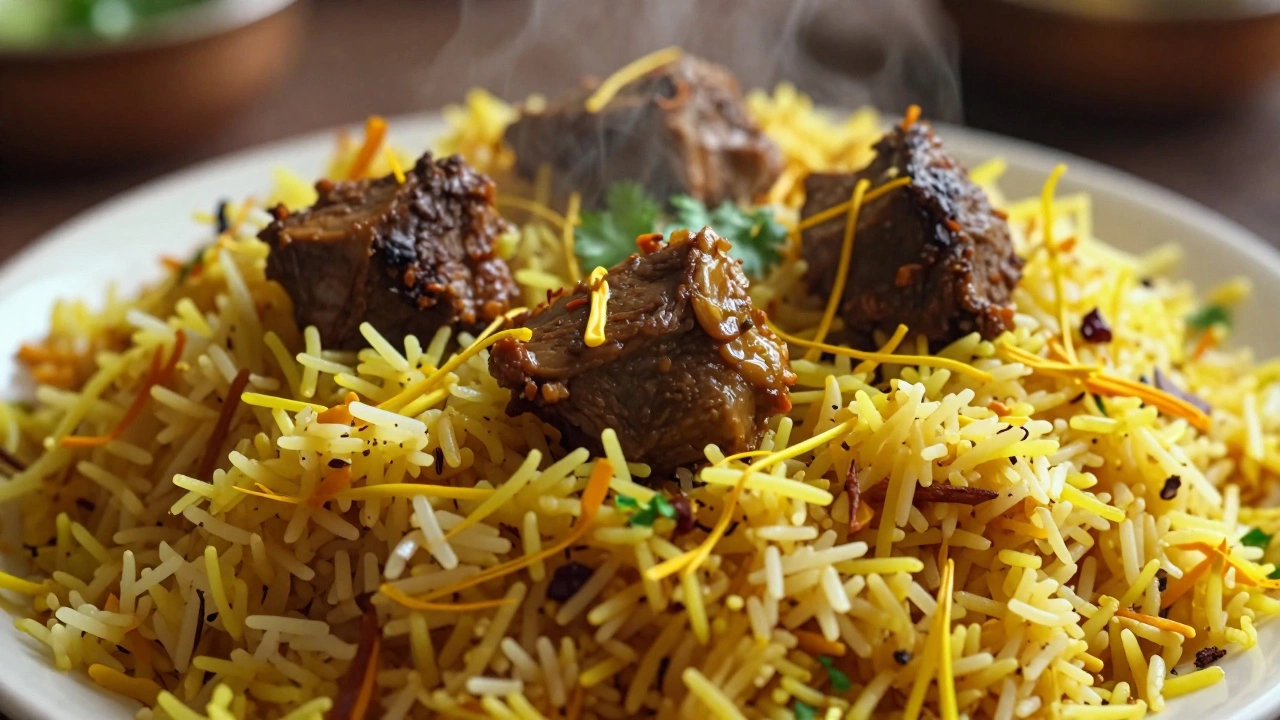
There is a heated debate in every Indian kitchen about how to handle a plate of steaming hot Biryani is a fragrant rice dish cooked with meat or vegetables, spices, and saffron. It originated in the Mughal era and is famous across South Asia. Some insist you must mix it thoroughly before taking the first bite, while others say mixing destroys the beautiful layers of spices and meat. You are not alone in wondering which approach wins. If you walk into a restaurant in Hyderabad or Mumbai today, you will see both methods happening at the same table.
The real secret lies in understanding what the dish is trying to give you. Every grain of Basmati Rice serves as a carrier for the rich flavors of the marinade. When you treat the meal with respect for its construction, the experience changes completely. This guide breaks down the mechanics of eating this dish so you get the maximum flavor without the mess.
The Great Mixing Debate
Many people believe leaving the layers untouched is the polite thing to do. You might have heard elders say that touching the top layer disturbs the Dum Cooking process which seals the steam and aroma inside the pot. While preserving the presentation looks nice, flavor does not wait for aesthetics. If the rice sits at the bottom, it stays plain while the spices gather at the top. Mixing ensures every bite has a bit of onion, rice, and meat.
When you stir the bowl, use a gentle motion. You want to lift the grains from the bottom without crushing them. Long-grain varieties break easily if you force them. Think of folding ingredients rather than mashing them. By doing this, you integrate the oily gravy that sits between the layers into the dry rice. Without this step, your last few bites will taste significantly different from the first ones.
In some regions, particularly North India, serving a mixed version directly from the cooking vessel is common. In the south, specifically Hyderabad style, keeping the layers intact until serving is standard practice. Regardless of where you are, the diner gets the final say. Most people agree that a light toss makes the texture consistent throughout the meal.
Hand Versus Cutlery: Choosing Your Weapon
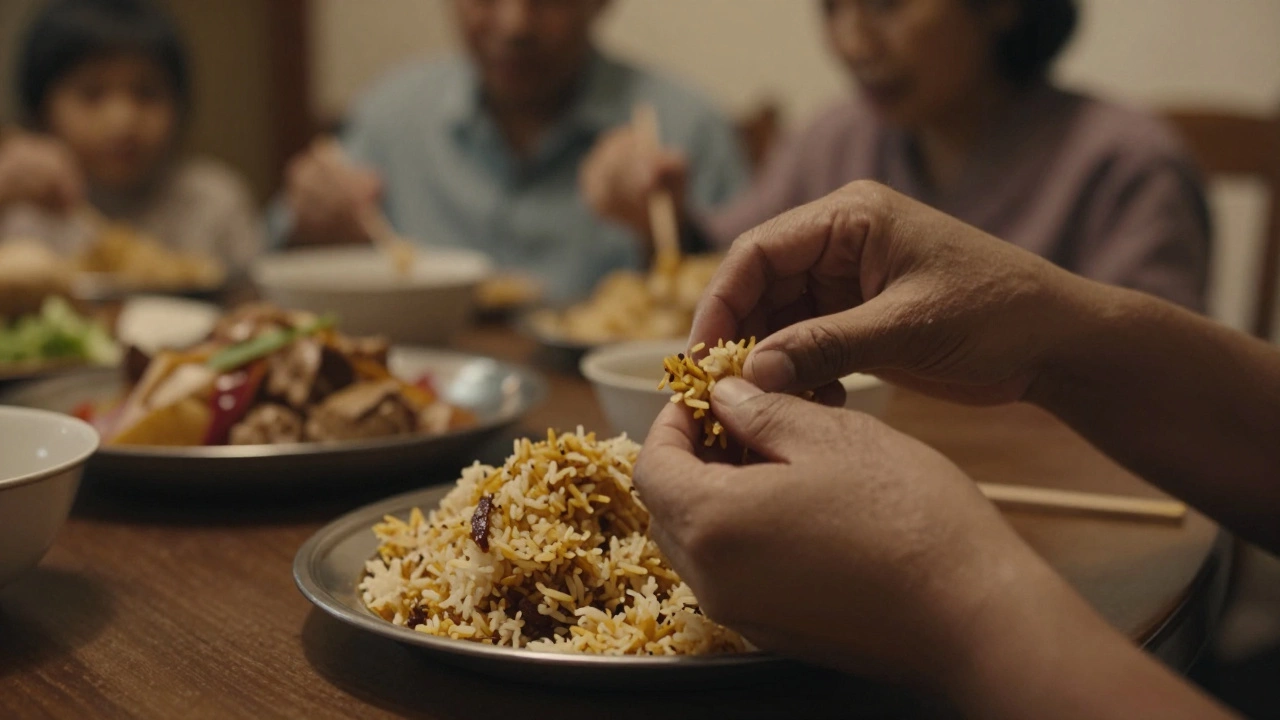
Cultural norms play a huge role here. For centuries, eating with the right hand was the default setting for South Asian meals. The warmth of the palm interacts with the rice, releasing aromas differently than cold metal cutlery does. If you use a spoon, the heat escapes faster, and the smell doesn't reach your nose in the same way.
- Finger Sensitivity: Fingertips feel the temperature better, preventing burns.
- Rice Grip: Sticky basmati clings to fingertips naturally, making portion control easier.
- Cleanliness: Requires frequent rinsing and a dedicated water jug nearby.
Using cutlery is perfectly acceptable in modern settings, especially outside the home. If you are in a Western-style restaurant or unsure of local customs, a fork is never rude. However, try to avoid spoons when dealing with layered dishes. Forks work well for picking out larger pieces of meat or chicken, but they struggle to gather individual grains. If you opt for the hand method, remember to wash up immediately after the meal. Hygiene matters more than tradition.
Essential Accompaniments
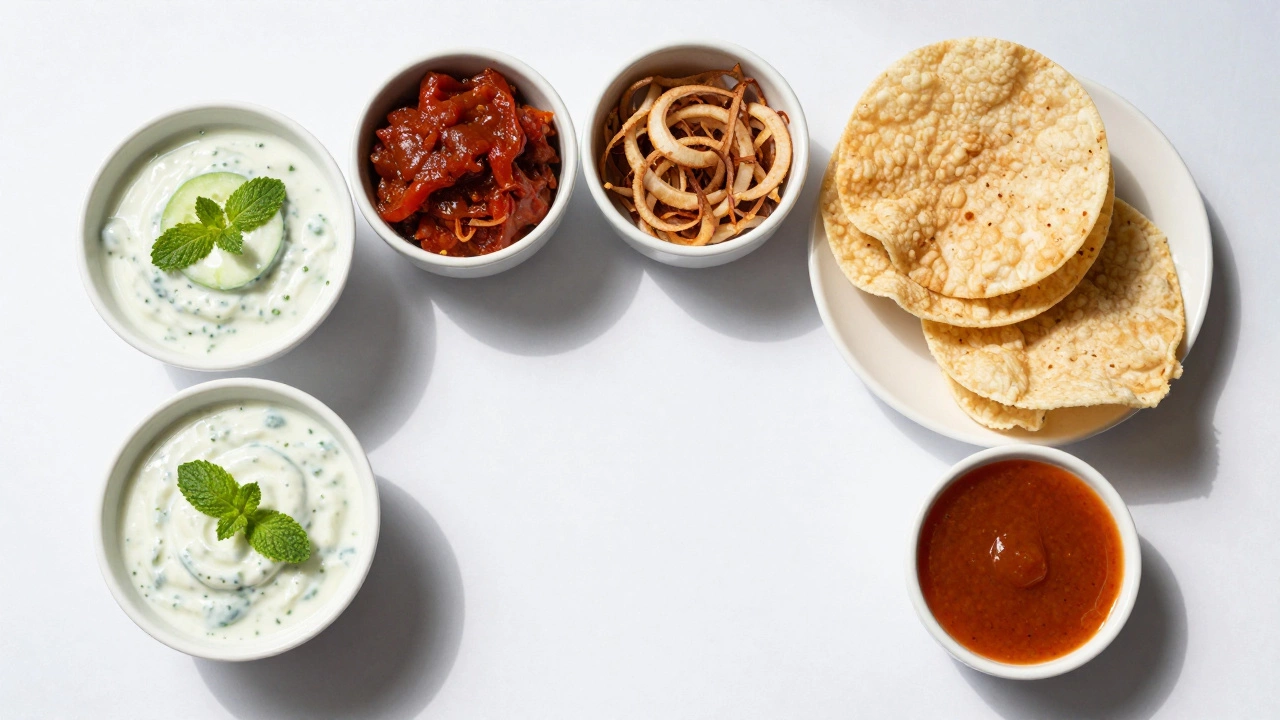
Eating biryani is rarely a solo act. The dish needs partners to balance its heavy spices. A simple plate of white rice is bland, but adding cooling elements transforms it. The most critical partner is Raita. This yogurt-based condiment cools the palate.
You should serve cucumber raita or boondi raita alongside the main course. Take a small scoop between heavy bites to reset your taste buds. Without this, the heat from chilies and masalas can build up quickly. Another popular addition is Achar, a spicy pickle made from mango or lemon.
Don't forget Onion Birista. These are fried onions that sit crispy on top. They add crunch. Sometimes, a bowl of salad with sliced tomatoes and green chilies is placed on the side. Chop them finely so they mix easily with the rice. In Andhra Pradesh, a thick curry called Mirchi Salan goes well with red meat versions of the dish. It adds a nutty peanut flavor that contrasts nicely with the tangy rice.
| Side Dish | Purpose | Texture |
|---|---|---|
| Raita | Cools spice levels | Creamy |
| Achar | Adds tangy kick | Solid/Juicy |
| Papad | Adds crunch | Crispy |
| Mirchi Salan | Nutty flavor boost | Thick sauce |
Sometimes, people forget about the bread factor. While naan is great, puris or even thin parathas sometimes accompany biryani in street food stalls. Use them to wipe the excess oil from the plate. It is a sign of appreciation for the chef.
Regional Variations in Eating Style
How you eat often depends on which version is sitting in front of you. The cooking method dictates the texture. In Hyderabad, the rice grains stay separate and slightly hard due to the slow cook over charcoal. This makes scooping easier by hand because the grains don't clump together.
Contrast this with Lucknow style, also known as Awadhi. Here, the meat is cooked separately and poured over boiled rice. It is lighter and less ghee-heavy. Because the grains are softer, using a spoon works quite well without crushing the texture. In Kolkata, potatoes are a mandatory inclusion. These absorb sauces heavily, so they require more effort to extract from the rice mixture.
In Kerala, seafood versions often come with banana leaves instead of plates. Eating off a leaf releases oils found in the plant that pair with coconut milk used in the recipe. Never use plastic utensils here; the leaf itself provides flavor. Understanding these distinctions prevents awkward moments at dinner parties or when visiting family.
Common Mistakes to Avoid
Even experienced diners make errors. One major blunder involves over-stuffing your mouth. Biryani is dense with starch and fat. It takes time to digest. Small, controlled portions help you appreciate the distinct notes of saffron and cloves. Another issue is skipping the Ghee. Some restaurants garnish the top with clarified butter. Don't leave this behind. That is where the richest flavor lives.
Hot food requires patience. Steam traps heat under the top layer. Always test a corner piece before committing to a big bite. Scalding your tongue ruins the ability to taste subtle spices later on. Lastly, do not waste the bits stuck to the plate. Using a slice of bread or your hand to clear the remaining oil is considered respectful to the cook.
Should you eat biryani with hands or spoon?
Both are acceptable. Traditionalists prefer hands for better texture perception, but spoons or forks work well for those concerned with convenience or hygiene. Wash hands if using the hand method.
What goes well with biryani on the side?
Classic sides include Raita (yogurt dip), Achar (pickle), Papad (crackers), and Mirchi Salan (spicy chili sauce). These balance the richness of the rice dish.
Is it okay to mix the rice before eating?
Yes, mixing ensures even distribution of spices and meat. While layers look pretty, mixing guarantees every bite tastes the same.
Can you store leftover biryani safely?
Store in an airtight container in the fridge for up to two days. Reheat thoroughly to kill bacteria. Adding water helps restore moisture lost during reheating.
What kind of rice is used in biryani?
Long-grain Basmati rice is the standard choice. It remains aromatic and non-sticky after cooking, providing the signature texture required for the dish.