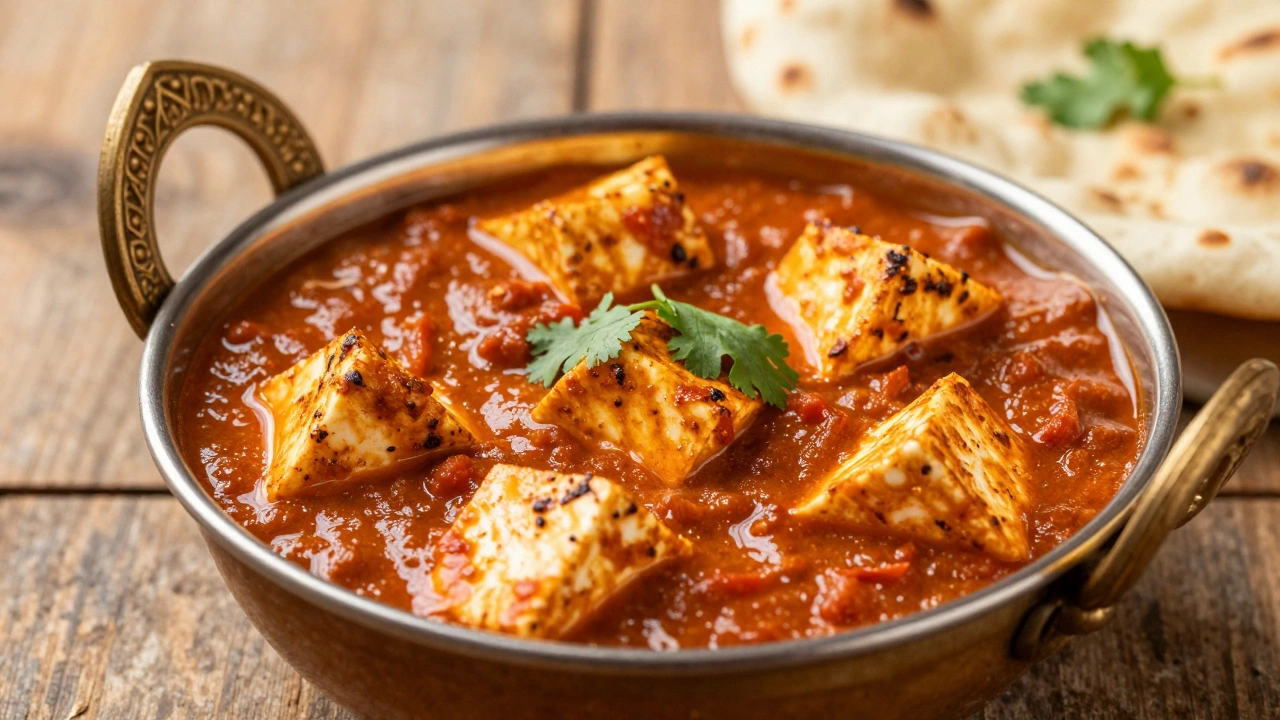
When people ask what the best vegetarian dish in India is, they’re not really asking for one answer-they’re asking for a taste of the country’s soul. India doesn’t have a single vegetarian dish that everyone agrees on. Instead, it has dozens, each rooted in region, season, and tradition. But if you had to pick one that stands out across borders, cultures, and generations, paneer butter masala comes closest.
Why Paneer Butter Masala?
Paneer butter masala isn’t just a curry. It’s a comfort dish that works in homes, roadside dhabas, and fine dining restaurants alike. Soft cubes of paneer, a fresh Indian cheese made from curdled milk, swim in a rich, creamy tomato-based gravy laced with butter, cream, garlic, ginger, and a blend of spices like garam masala, cumin, and Kashmiri red chili. The sauce clings to the paneer, never overpowering it, but wrapping it in warmth. It’s served with naan, roti, or steamed basmati rice-and it’s the dish most tourists remember long after they’ve left.What makes it special isn’t just the flavor. It’s the balance. The tang of tomatoes, the richness of butter, the mild sweetness of cream, and the slow burn of spices all hold each other in check. No single element dominates. That’s why it’s loved from Delhi to Kerala, from Mumbai street vendors to Punjabi households.
Other Strong Contenders
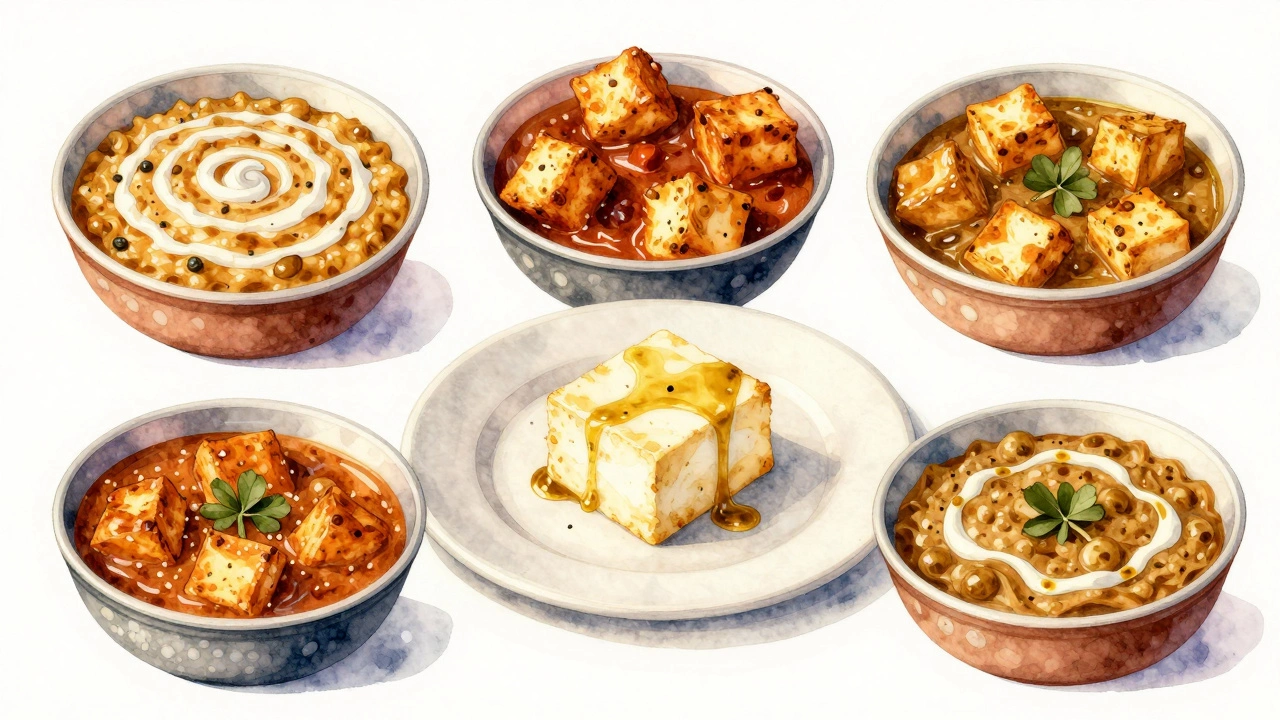
Of course, paneer butter masala isn’t the only dish worth talking about. India’s vegetarian cuisine is too vast for one winner. Here are three others that regularly top polls and family dinner tables.- Chana Masala: Chickpeas cooked in a spicy, tangy tomato-onion gravy with cumin, amchur (dry mango powder), and coriander. It’s hearty, protein-packed, and often eaten with bhatura (fried bread) or rice. In North India, it’s a breakfast staple. In the south, it’s a lunchtime favorite.
- Vegetable Biryani: Not just rice with veggies. True vegetable biryani uses layered basmati rice, saffron, fried onions, nuts, and whole spices like cardamom and cloves. Each grain is infused with flavor. It’s festive, fragrant, and often made for weddings or Diwali.
- Malai Kofta: Deep-fried balls of mashed potatoes and paneer, soaked in a silky cashew-and-cream sauce. It’s indulgent, elegant, and often served in restaurants during holidays. The texture contrast-crispy outside, soft inside-is unforgettable.
Each of these dishes has its own fanbase. But none of them have the universal appeal of paneer butter masala. It doesn’t require a special occasion. It doesn’t need exotic ingredients. You can make it with pantry staples, and it still tastes like celebration.
Regional Variations That Change Everything
If you think paneer butter masala is the same everywhere, you haven’t traveled far enough. In Punjab, it’s thick, buttery, and loaded with cream. In Gujarat, it’s slightly sweet, with a hint of jaggery. In Tamil Nadu, some cooks add tamarind for sourness and skip the cream entirely. In Bengal, you might find it with a touch of mustard oil and fenugreek seeds.Even the paneer changes. In some places, it’s homemade, soft and milky. In others, it’s pressed tighter, holding its shape better when fried. Some restaurants pan-fry the cubes first for a golden crust. Others just drop them raw into the gravy. Both work. Both are right.
The Cultural Weight Behind the Dish
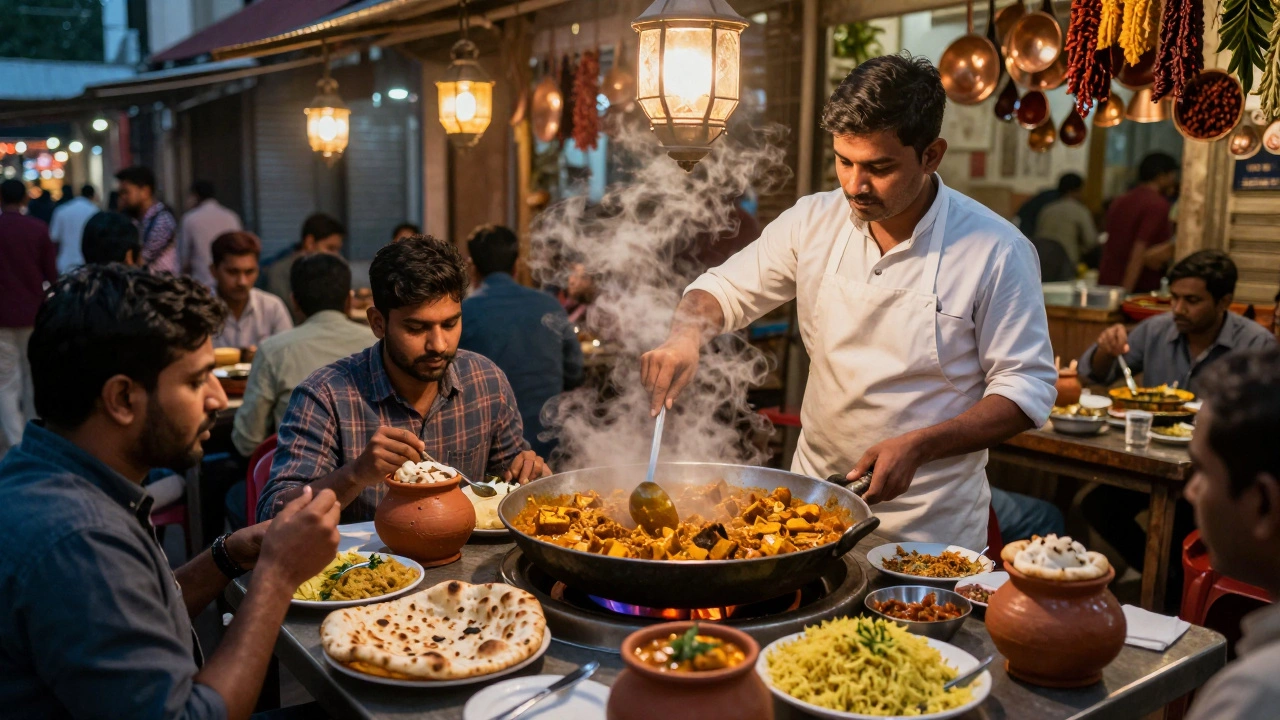
India’s vegetarian traditions aren’t just about food-they’re about identity. Over 30% of Indians are vegetarian, mostly due to religious, ethical, or economic reasons. Hindu, Jain, and Buddhist communities have shaped centuries of plant-based cooking. But unlike Western vegetarianism, which often focuses on absence (no meat, no dairy), Indian vegetarianism is about abundance. It’s about turning lentils, vegetables, dairy, and grains into meals that satisfy deeply.Paneer butter masala embodies this. It’s not a compromise. It’s not a substitute. It’s a full, rich, luxurious meal on its own. It’s served at weddings, temple feasts, and family reunions. It’s the dish that makes someone say, “I don’t eat meat, but I could eat this every day.”
What Makes a Dish Truly “Best”?
The best vegetarian dish in India isn’t necessarily the most complex or expensive. It’s the one that:- Works for all ages-kids, elders, and picky eaters alike
- Uses ingredients that are easy to find across the country
- Can be made in under an hour with basic tools
- Tastes better the next day
- Is served with pride, not apology
Paneer butter masala checks every box. It’s not the only dish that does. But it’s the one that does it most consistently.
How to Make It at Home
You don’t need a chef’s knife or a tandoor oven. Here’s how to make it simply:- Heat 2 tablespoons of butter in a pan. Add 1 chopped onion and sauté until golden.
- Add 2 minced garlic cloves and 1 tablespoon grated ginger. Cook for 30 seconds.
- Stir in 1 can (400g) of crushed tomatoes and cook until the oil separates, about 8-10 minutes.
- Add 1 teaspoon garam masala, ½ teaspoon turmeric, and 1 teaspoon Kashmiri chili powder. Cook for 2 more minutes.
- Stir in ½ cup heavy cream and 1 tablespoon sugar (optional, to balance acidity).
- Drop in 250g of cubed paneer (fried or raw) and simmer gently for 5 minutes.
- Finish with a sprinkle of fresh coriander and a drizzle of cream.
That’s it. No fancy equipment. No hard-to-find spices. Just good ingredients and patience.
What to Serve With It
Paneer butter masala doesn’t need much. A warm, slightly charred naan or roti is perfect. But here are two pairings that elevate it:- Jeera Rice: Basmati rice toasted with cumin seeds and a pinch of salt. Simple, fragrant, and neutral enough to let the curry shine.
- Cucumber Raita: Yogurt mixed with grated cucumber, a pinch of roasted cumin, and mint. The coolness cuts through the richness.
Avoid overly spicy sides. This dish is about balance, not heat.
Common Mistakes to Avoid
Even experienced cooks mess this up. Here’s what not to do:- Overcooking the paneer: It turns rubbery. Add it at the end and let it warm through, not boil.
- Skipping the oil separation: If you don’t cook the tomatoes long enough, the gravy will taste watery and raw.
- Using pre-made masala powders: Store-bought garam masala often lacks depth. Toast whole spices like cinnamon, cardamom, and cloves yourself for 30 seconds before grinding.
- Forgetting the cream: Cream isn’t optional. It’s what gives the dish its signature silkiness.
Why This Dish Endures
In a country with over 2,000 distinct food traditions, paneer butter masala survives because it’s adaptable. It’s vegetarian without being boring. It’s rich without being heavy. It’s familiar to grandparents and exciting to teens. It’s eaten in villages and served in five-star hotels.More than any other dish, it represents what Indian vegetarian cooking does best: turning simple ingredients into something unforgettable.
Is paneer butter masala spicy?
It’s not inherently spicy. The heat level depends on how much chili powder you use. Most recipes call for Kashmiri chili powder, which adds color and mild warmth-not fire. You can easily make it mild for kids or sensitive palates by reducing or skipping the chili.
Can I make paneer butter masala vegan?
Yes, but it changes the dish. Replace paneer with firm tofu or soy chunks, and swap butter for coconut oil or vegan margarine. Use coconut cream instead of dairy cream. The flavor will be different-smokier and less creamy-but still delicious. Many modern restaurants now offer vegan versions.
Why is paneer used instead of cheese?
Paneer is a fresh, unaged cheese that doesn’t melt. That’s why it holds its shape in curries. Western cheeses like cheddar or mozzarella melt into the sauce, which isn’t the goal here. Paneer stays soft and chewy, giving you a satisfying bite in every spoonful.
What’s the difference between paneer butter masala and shahi paneer?
Shahi paneer is richer and more elaborate. It includes cashew paste, dried fruits like raisins and apricots, and sometimes even saffron. Paneer butter masala is simpler-tomatoes, cream, butter, and spices. Shahi paneer is for special occasions. Paneer butter masala is for everyday joy.
Is paneer butter masala healthy?
It’s not a low-calorie dish-it’s made with butter, cream, and oil. But it’s packed with protein from paneer and lycopene from tomatoes. If you make it at home with less cream and butter, it becomes a balanced meal. Pair it with vegetables and whole grains for a nutritious plate.
If you’re looking for the best vegetarian dish in India, start here. Make paneer butter masala. Taste it. Share it. Let it remind you that the best food isn’t about perfection-it’s about connection.