Find Your Perfect Indian Dish
Not sure which famous Indian dish to try or cook next? Answer three quick questions to find your match.
You ask a thousand people in India what their favorite dish is, and you will get a thousand different answers. But if you force them to pick just one dish that represents the country on a global stage, Biryani usually wins the argument. It is not just a meal; it is an event. It is the reason friends gather, families argue over whose grandmother makes it best, and tourists plan entire trips around a single plate of rice.
Why does this specific dish hold the crown? Is it the aroma of saffron hitting hot milk? The slow-cooked meat falling off the bone? Or maybe the complex layering of spices that tells a story of history, trade, and regional pride? If you are looking for the definitive answer to "what is India's top famous food," we need to look beyond just popularity metrics. We need to understand why Biryani dominates the conversation while acknowledging the fierce competition from other contenders like Butter Chicken and Dosa.
The Undisputed King: Why Biryani Takes the Crown
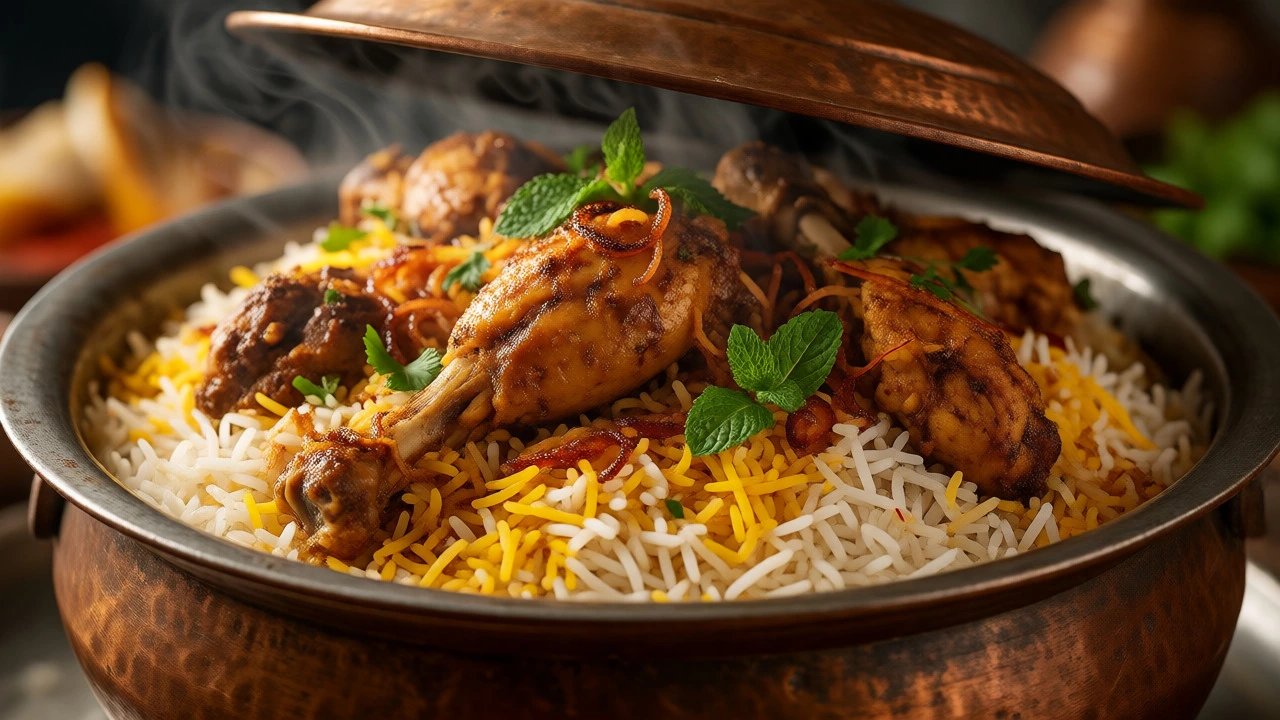
If there is one dish that crosses every border within India, it is Biryani. From the Hyderabadi kitchens in the south to the Lucknowi tables in the north, this layered rice and meat dish commands respect. But calling it just "rice with meat" is like calling the Taj Mahal just "a white building." It misses the point entirely.
Biryani is a mixed rice dish originating among the Muslims of the Indian subcontinent. It is made with Indian spices, rice, and meat (usually chicken, goat, mutton, fish, or prawns) or sometimes vegetables. The magic lies in the technique. Unlike a standard pulao where everything is cooked together, authentic Biryani uses a method called dum pukht. This means sealing the pot with dough to trap steam, allowing the flavors to meld slowly without burning the rice.
People love Biryani because it is customizable yet consistent in its soul. You can make it spicy, mild, vegetarian, or loaded with expensive meats. Yet, the core experience remains the same: a burst of fragrance when you lift the lid, followed by the visual appeal of white and yellow grains mixed with tender protein. It is comfort food elevated to art.
Regional Rivalries: Not All Biryanis Are Created Equal
Saying "I like Biryani" is like saying "I like pizza." Which one? The style changes drastically depending on where you are standing. Understanding these differences helps you decide which version to try first, especially if you are cooking at home.
| Style | Origin | Key Characteristics | Best For |
|---|---|---|---|
| Hyderabadi Kacchi | Hyderabad, Telangana | Raw marinated meat layered with raw rice; sealed and cooked together. Intense spice. | Lovers of deep, rich flavors and tender meat. |
| Lucknowi Pakki | Lucknow, Uttar Pradesh | Meat and rice cooked separately, then layered. Subtle aromatics, lighter color. | Those who prefer delicate flavors and distinct textures. |
| Kolkata Biryani | Kolkata, West Bengal | Includes potatoes and boiled eggs. Uses Ghee heavily. Lighter on chili heat. | Families wanting a hearty, comforting, less spicy option. |
| Malabar Biryani | Kerala Coast | Uses short-grain Seeraga Samba rice. Often includes coconut oil and dried plums. | Seafood lovers and those who enjoy coastal flavors. |
This table isn't just trivia. It dictates your shopping list. If you want Hyderabadi, you need long-grain Basmati rice and strong yogurt marinades. If you aim for Kolkata style, don't forget the potatoes-they are non-negotiable. Choosing the wrong style leads to disappointment, so know your audience before you fire up the stove.
The Strong Contenders: Butter Chicken and Dosa
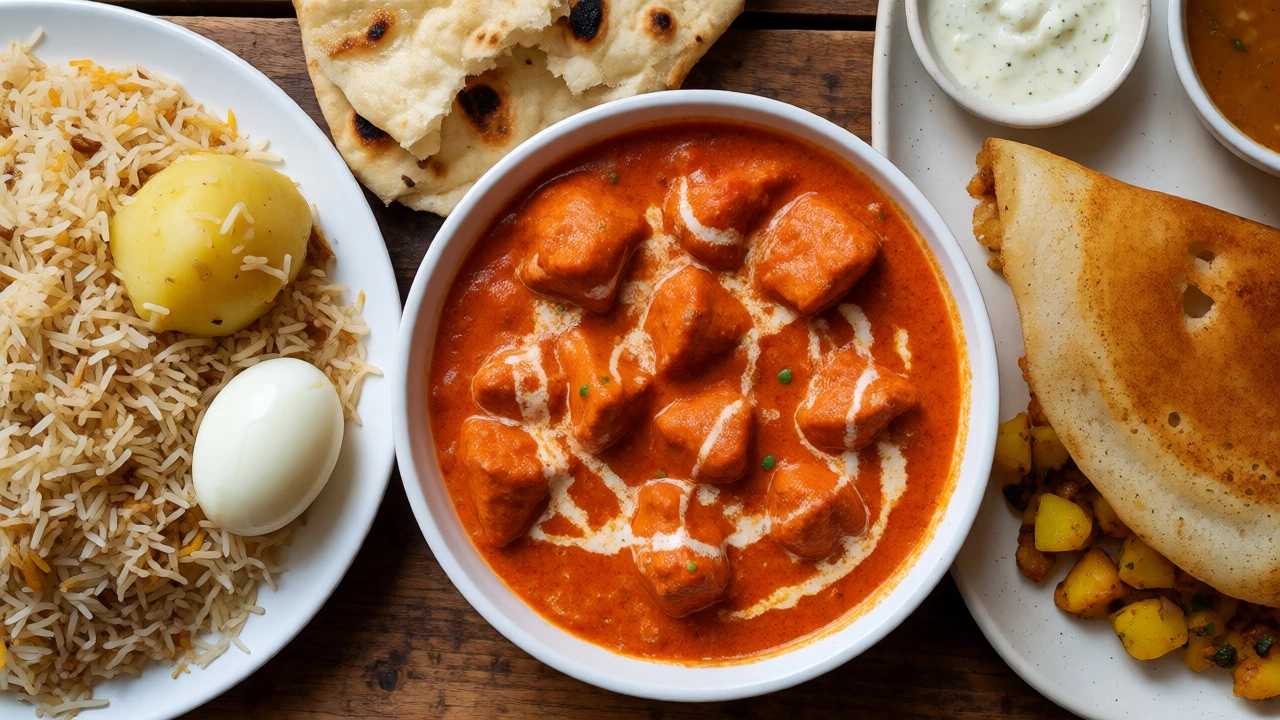
While Biryani holds the throne, it has rivals. You cannot talk about famous Indian food without mentioning Butter Chicken, also known as Murgh Makhani. Invented in Delhi in the 1950s, this creamy tomato-based curry became the face of Indian food in the West. It is mild, sweet, and incredibly easy to eat. Unlike Biryani, which requires patience and skill, Butter Chicken is forgiving. You simmer chicken in a sauce of tomatoes, butter, cream, and spices. It pairs perfectly with Naan bread.
Then there is Dosa, a fermented crepe made from rice batter and black lentils. Originating in South India, Dosa has gone global. It is crispy, gluten-free, and versatile. You can fill it with spiced potatoes (Masala Dosa), paneer cheese, or even chocolate for dessert versions. For vegetarians, Dosa often beats Biryani in popularity because it is naturally plant-based and lighter on the stomach.
So why doesn't Dosa take the number one spot globally? Probably because Biryani feels more like a "main course" celebration, whereas Dosa is often seen as breakfast or lunch. However, in terms of daily consumption across all classes, Dosa might actually win. But in terms of fame and prestige? Biryani still pulls ahead.
How to Make Restaurant-Style Biryani at Home
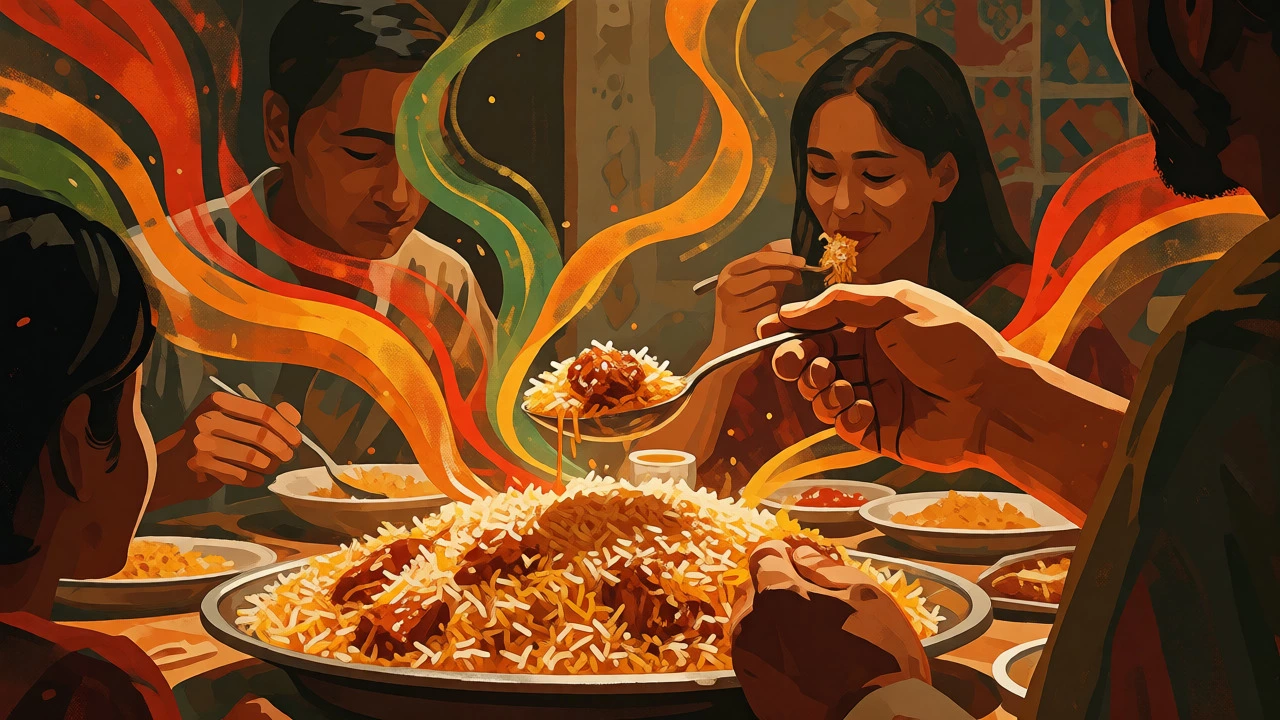
You do not need a professional kitchen to make great Biryani. You need good ingredients and attention to detail. Here is a simplified approach for beginners who want to impress guests without spending all day in the kitchen.
- Marinate Properly: Mix chicken pieces with thick yogurt, ginger-garlic paste, red chili powder, turmeric, and salt. Let it sit for at least two hours. Overnight is better. The yogurt tenderizes the meat.
- Parboil the Rice: Boil water with whole spices (bay leaf, cardamom, cloves, cinnamon). Add washed basmati rice. Cook until it is 70% done-it should still have a bite. Drain immediately.
- Layering (Dum): Heat ghee in a heavy-bottomed pot. Place half the marinated chicken at the bottom. Layer half the rice on top. Sprinkle fried onions, mint leaves, cilantro, and saffron soaked in warm milk. Repeat layers.
- Seal and Cook: Cover the pot tightly. Use foil under the lid if needed to trap steam. Cook on high heat for 5 minutes, then reduce to low heat for 20-25 minutes.
- Rest Before Serving: Do not stir immediately. Let it rest for 10 minutes. This allows the steam to distribute evenly, preventing mushy rice.
A common mistake is using too much water. Biryani rice should be fluffy, not sticky. Another pitfall is skipping the fried onions (birista). They provide the necessary sweetness and crunch that balance the savory spices.
Why Food Identity Matters More Than Taste
Ask someone from Punjab about their favorite food, and they might say Sarson da Saag. Ask someone from Gujarat, and they might say Dhokla. Food is identity. When we debate "top famous food," we are also debating cultural influence. Biryani won partly because of the Mughal influence on North Indian cuisine, which had significant political power and thus cultural export strength.
However, the landscape is changing. With health trends rising, lighter dishes like Khichdi (a mix of rice and lentils) are gaining traction. But for pure indulgence, nothing replaces the sensory overload of a well-made Biryani. It engages smell, sight, taste, and texture simultaneously. That multi-sensory experience is hard to beat.
If you are new to Indian cooking, start with Butter Chicken for ease. Move to Dosa for breakfast variety. But save Biryani for special occasions. It demands respect, time, and hunger. Once you master it, you understand why it holds the title of India's most famous food. It is not just feeding the body; it is feeding the soul.
Is Biryani always spicy?
No, Biryani varies widely by region. Hyderabadi Biryani tends to be spicier, while Lucknowi and Kolkata styles are milder and rely more on aromatic spices like cardamom and saffron rather than heat. You can adjust the chili level to your preference when cooking at home.
Can I make Biryani with vegetables?
Absolutely. Vegetable Biryani is very popular, especially among vegetarians. Common additions include cauliflower, peas, carrots, beans, and potatoes. The key is to marinate the vegetables similarly to how you would marinate meat, ensuring they absorb the spices before being layered with the rice.
What is the difference between Pulao and Biryani?
The main difference is the cooking method. In Pulao, the rice and meat/vegetables are cooked together in a single pot with a measured amount of water. In Biryani, the rice and meat are typically cooked partially or fully separately, then layered and steamed together (dum) to allow flavors to infuse without mixing completely. Biryani is generally more aromatic and complex.
Which rice is best for Biryani?
Aged Basmati rice is the gold standard for most North Indian Biryanis due to its long grains and fragrant aroma. However, some regional styles use different varieties. For example, Malabar Biryani in Kerala uses short-grain Seeraga Samba rice, which absorbs moisture differently and offers a unique texture.
Is Butter Chicken really Indian?
Yes, but it is a modern invention. It was created in Delhi in the 1950s by Kundan Lal Gujral. While it uses traditional Indian spices, the addition of heavy cream and butter reflects a fusion that appealed to both local tastes and international palates, making it one of the most exported Indian dishes globally.