Dosa Batter Ratio Calculator
Rice to Urad Dal Ratio
Best for Classic Masala Dosa with balanced texture
Ever wondered why some dosas are paper-thin and crispy while others turn out thick and chewy? The secret isn't just in the cooking technique; it’s hidden in the bowl before you even touch the pan. Dosa batter is a fermented mixture of rice and lentils that forms the base for South Indian crepes. It might sound simple-just rice and beans-but getting the chemistry right is an art form.
If you’ve ever tried making dosa from scratch and ended up with a dense pancake instead of a lacy crisp, you know the struggle. You didn’t do anything wrong; your batter just needed a little more science. Let’s break down exactly what goes into that jar, why each ingredient matters, and how to get that perfect fermentation every single time.
The Two Pillars: Rice and Urad Dal
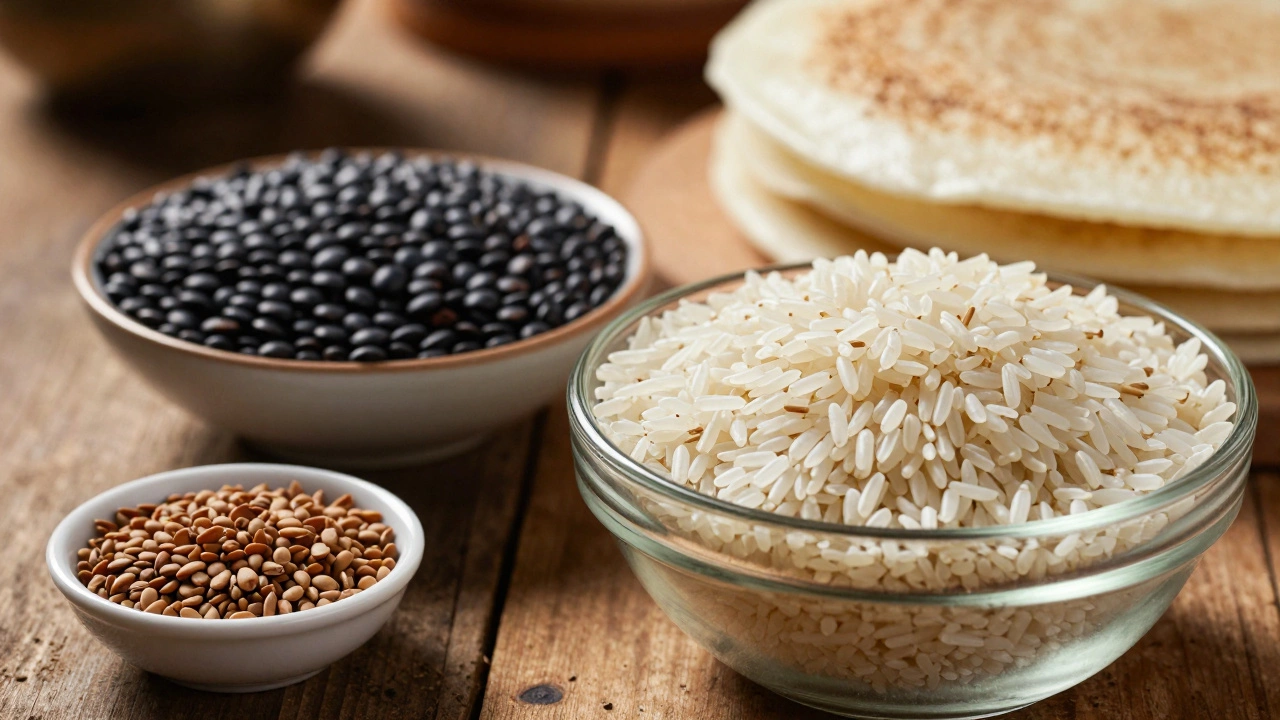
At its core, traditional dosa batter consists of two main ingredients: specific varieties of rice and black gram lentils (urad dal). That’s it. No yeast, no baking powder, no magic powders. Just these two humble ingredients working together through fermentation.
Rice provides the structure and starch necessary for the dosa to hold its shape. But not all rice works. You need short-grain or medium-grain rice that has been aged. Freshly harvested rice contains too much moisture and will result in a sticky, heavy batter. Look for terms like 'old crop' or 'parboiled' on the packaging. In my kitchen in Auckland, I always stock up on Ponni rice or Sona Masoori when they’re on sale because they grind smoothly and ferment predictably.
Then there’s Urad Dal, which is de-husked black gram lentil. This is the engine room of your batter. While rice gives structure, urad dal provides protein and, crucially, the natural leavening action. As the dal ferments, it traps carbon dioxide bubbles, creating those airy holes we love in a good dosa. Without enough urad dal, your dosa will be flat and dense. With too much, it becomes bitter and dark. Balance is everything.
The Golden Ratio: Getting Proportions Right
So, how much of each do you use? For most home cooks, the classic starting point is a 3:1 ratio of rice to urad dal. This means three cups of rice for every one cup of urad dal. This ratio produces a versatile batter that can make both soft, pliable dosas and thinner, crispier ones depending on how you spread them.
| Rice Type | Urad Dal Ratio | Resulting Texture | Best For |
|---|---|---|---|
| Short Grain (e.g., Ponni) | 3:1 | Crispy edges, soft center | Classic Masala Dosa |
| Long Grain (e.g., Basmati) | 4:1 | Thin, very crispy | Paper Dosa |
| Mix of Raw & Parboiled | 3:1 | Balanced, slightly thicker | Everyday Breakfast |
If you want extra-crispy dosas, try increasing the rice proportion to 4:1 or even 5:1, but ensure you use long-grain rice. Conversely, if you prefer softer, fluffier dosas that are easier to roll, stick to the 3:1 ratio with shorter grains. Remember, these ratios are by volume, not weight. A cup of rice weighs differently than a cup of urad dal, so always measure with the same set of cups for consistency.
The Secret Helpers: Fenugreek Seeds and Salt
You’ll often see fenugreek seeds listed in authentic dosa recipes. Why add a spice to plain batter? Fenugreek serves two critical purposes. First, it acts as a natural preservative, slowing down over-fermentation and preventing the batter from turning sour too quickly. Second, it aids digestion. Lentils can be hard on the stomach, and fenugreek helps break down complex carbohydrates, making the final product lighter and easier to digest.
Use about half a teaspoon of whole fenugreek seeds per kilogram of rice. Soak them along with the rice-they absorb water slowly, so they need the full soaking time. Never skip this step if you want authentic flavor and better texture.
What about salt? Many traditional recipes advise against adding salt before fermentation. The theory is that salt draws out moisture via osmosis, potentially inhibiting the yeast activity. However, modern food scientists suggest that a small amount of salt (about 1% of the total weight) doesn’t significantly hinder fermentation and actually enhances flavor development. I usually wait until after grinding to add salt, just to be safe. It gives me control over the seasoning without risking the rise.
The Magic of Fermentation
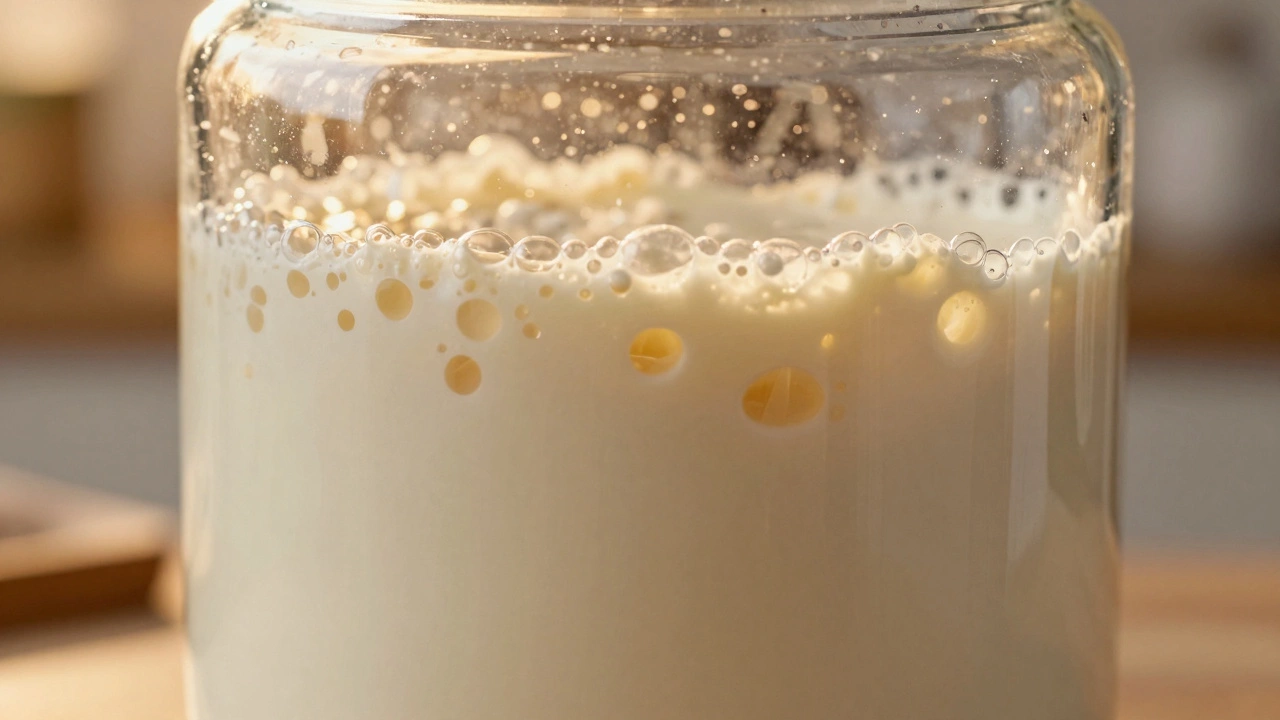
This is where many beginners fail. You can have the perfect ingredients and ratios, but if the fermentation goes wrong, the dosa fails. Fermentation is the biological process where wild yeasts and bacteria convert sugars into carbon dioxide and alcohol. This gas expands the batter, making it light and airy.
Temperature is your biggest factor. Ideal fermentation happens between 25°C and 30°C (77°F-86°F). If it’s too cold, the yeast sleeps. If it’s too hot, the batter sours and smells unpleasant. In Auckland winters, I place my batter jar inside the oven with just the light turned on. The gentle heat keeps it warm without cooking it. In summer, leave it on the counter away from direct sunlight.
Signs of successful fermentation:
- The batter has doubled in volume.
- There are visible air bubbles on the surface.
- A slight tangy smell indicates active lactic acid bacteria.
- The batter feels light and fluffy when stirred.
If your batter hasn’t risen after 8 hours, check the temperature. If it’s too cold, move it to a warmer spot. If it smells overly sour or alcoholic, it’s over-fermented. Add a spoonful of unfermented batter to balance it out, or start fresh next time.
Grinding Technique: Smoothness Matters
How you grind the soaked ingredients affects the final texture. Use a wet grinder if possible-it generates less heat than a blender, preserving the raw qualities of the grains. If you only have a blender, work in small batches and add ice-cold water to keep the temperature low. Heat kills the enzymes needed for proper fermentation.
Grind the urad dal first until it’s fluffy and white. Then grind the rice separately until smooth. Finally, mix them together. This method ensures the lentils aerate properly, trapping more air bubbles during fermentation. Don’t rush this step. A coarse grind leads to gritty dosas. Aim for a silky, pourable consistency.
Troubleshooting Common Issues
Even experienced cooks face hiccups. Here’s how to fix common problems:
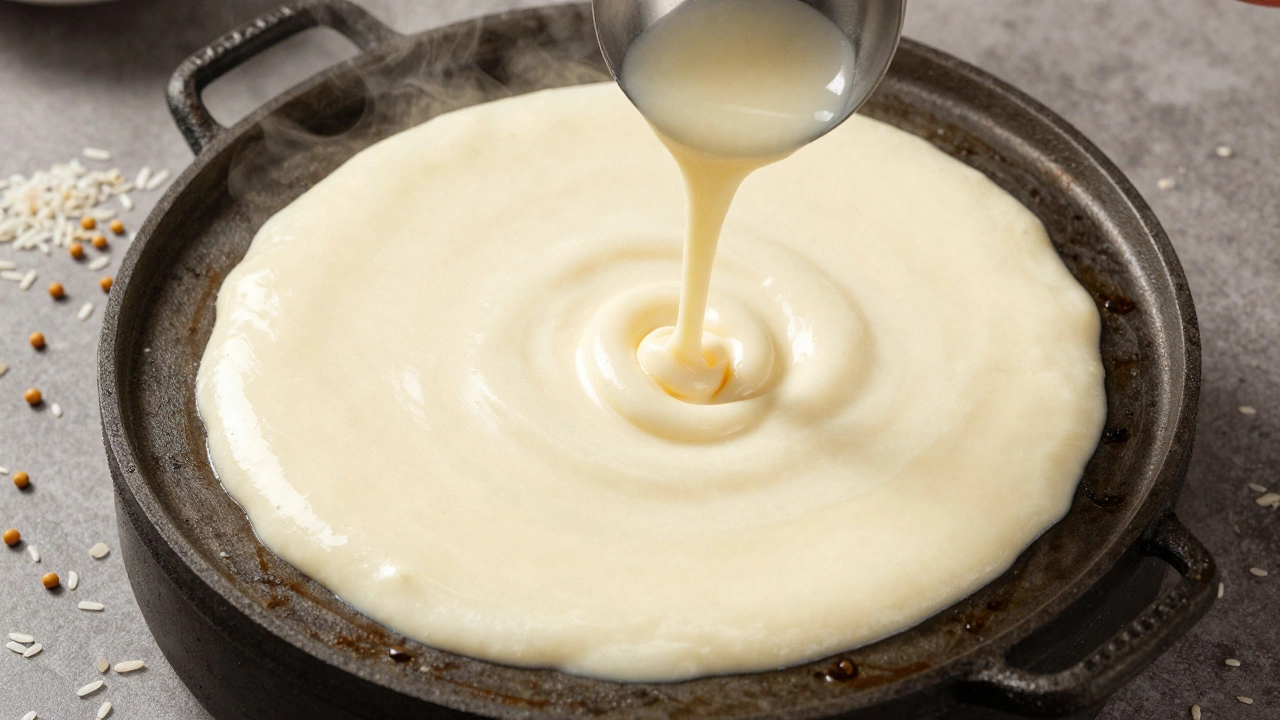
- Batter too thick? Add cold water gradually while stirring. The ideal consistency should flow easily from a ladle but not be watery.
- Dosas breaking while flipping? Your batter might be under-fermented or too thin. Ensure proper rise and adjust thickness accordingly.
- No color or crispiness? Cook on high heat initially to sear the bottom, then lower to cook through. Also, ensure your pan is well-seasoned cast iron or non-stick.
- Sour taste? Reduce fermentation time or store the batter in the fridge to slow down the process.
Remember, practice makes perfect. Each batch teaches you something new about your kitchen environment and equipment. Keep notes on temperatures, timings, and results to refine your technique over time.
Can I make dosa batter without fermentation?
Yes, you can make instant dosa batter using pre-mixed flour packets available in stores. These contain baking soda or other leavening agents to mimic fermentation. However, homemade fermented batter offers superior taste, texture, and nutritional benefits due to increased bioavailability of nutrients.
How long does dosa batter last in the fridge?
Properly stored in an airtight container, dosa batter lasts up to 5 days in the refrigerator. The cold slows fermentation, so let it come to room temperature for 30 minutes before cooking to allow gases to expand again.
Why did my dosa batter turn yellow?
Yellowing occurs when batter over-ferments or sits too long at warm temperatures. Lactic acid production increases, changing pH levels and color. While still edible, over-fermented batter tastes excessively sour. Discard if it smells foul or develops mold.
Do I need to soak rice and dal overnight?
Yes, soaking for 6-8 hours is essential. It softens the grains, reduces phytic acid (an anti-nutrient), and prepares them for efficient grinding and fermentation. Skipping this step results in coarse, poorly rising batter.
Can I substitute urad dal with other lentils?
Not really. Urad dal has unique properties that provide elasticity and lift. Other lentils like chana dal or moong dal lack the same protein structure and won’t yield authentic dosa texture. Stick to black gram for best results.