
Veg Biryani Flavor & Prep Calculator
Planning to cook Veg Biryani? Use this tool to determine the exact amount of rice, vegetables, and key aromatics needed for your party, plus get customized tips based on your spice tolerance.
1. Configure Your Dish
Your Customized Biryani Plan
Key Ingredients
- Rice:
- Veggies/Paneer:
- Fried Onions (Birista):
- Yogurt Marinade:
- Ghee/Oil:
Flavor Profile Tips
Critical Step Reminder
Seal the pot tightly with foil or dough after layering. Cook on low heat for 20-25 mins. Do not open lid!
Enter your details and click "Generate Recipe Plan" to see your shopping list and tips.
You walk into a bustling Indian restaurant in Auckland, the air thick with the scent of cardamom and saffron. You scan the menu, looking for that fragrant, layered rice dish everyone raves about, but you spot a label that stops you: "Veg Biryani." Or maybe you're hosting a dinner party for friends who don't eat meat, and you want to serve something impressive but inclusive. The question pops up: what is biryani without meat called?
The short answer is simple: it’s usually called Vegetable Biryani or simply Veg Biryani. But if you dig deeper, you’ll find specific regional names like Subz Biryani (where "subz" means vegetables) or even Paneer Biryani if cheese is the star. Unlike some dishes that are just afterthoughts for vegetarians, veg biryani is a legitimate, beloved staple across India. It’s not a compromise; it’s a different kind of magic. Let’s break down exactly what this dish is, why it tastes so good without chicken or mutton, and how you can make it at home.
Understanding the Name and Origins
Biryani itself is a mixed rice dish made with Indian spices, rice, and meat or vegetables. Historically, it has roots in the Mughal era, where royal kitchens perfected the art of layering marinated meat with parboiled rice. When we remove the meat, we aren’t just removing an ingredient; we’re shifting the flavor profile. The term "Biryani" comes from the Persian word "birian," meaning "fried before cooking," referring to the technique of frying onions and spices before adding the rice.
So, when you order a meatless version, you’re still getting that same technical process. The name changes based on the main ingredient. If it’s loaded with cauliflower, peas, and carrots, it’s Vegetable Biryani. If it features cubes of cottage cheese, it’s Paneer Biryani. In some parts of South India, you might see "Kashmiri Pulao" confused with biryani, but they are distinct. Pulao is typically one-pot cooked, while biryani involves a dum (slow-cooking) method that traps steam and aromas. Knowing this distinction helps you pick the right dish if you’re craving that intense, layered aroma rather than just seasoned rice.
Why Vegetables Can Outshine Meat
Many people assume meat provides the umami depth in biryani. They’re wrong. The real powerhouses are ghee, fried onions (birista), yogurt, and whole spices like cloves, cinnamon, and bay leaves. Vegetables, especially those with high water content or natural sweetness, absorb these flavors incredibly well. Think about cauliflower. When roasted or fried slightly before being added to the pot, it develops a nutty, complex flavor that rivals any piece of chicken.
Then there’s paneer. This fresh cheese doesn’t melt away; it holds its shape and soaks up the spicy gravy like a sponge. Eggplant (brinjal) is another secret weapon. It turns creamy and rich, adding a luxurious mouthfeel that mimics the richness of fatty meats. If you’ve ever felt that veg biryani was "dry" or "bland," it likely wasn’t made with enough ghee or proper marination. The key is treating the vegetables with the same respect and prep time as the meat. Marinate them in spiced yogurt for at least 30 minutes. Let them sit. That’s where the flavor lives.
Key Ingredients That Define Veg Biryani
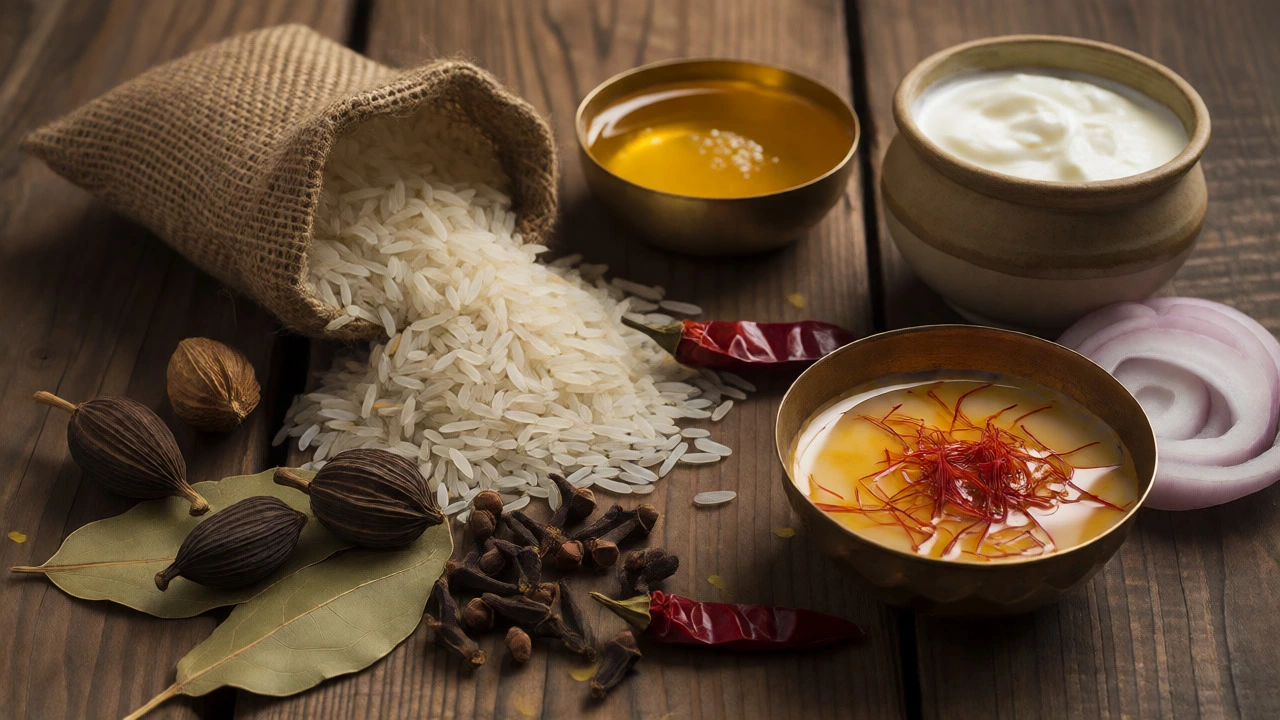
You can’t just throw raw veggies into white rice and call it biryani. Specific ingredients elevate it from "rice with stuff" to "biryani." Here’s what you need to look for or use:
- Basmati Rice: Long-grain, aged basmati is non-negotiable. It cooks up fluffy and separate, which is essential for the layered look and feel.
- Ghee: Clarified butter adds a nutty aroma that oil just can’t replicate. Use it generously for frying onions and drizzling over the top.
- Fried Onions (Birista): Thinly sliced onions fried until golden brown. These add sweetness and crunch. Half go inside, half on top.
- Yogurt: Acts as a tenderizer and tangy base for the marinade. It also helps bind the spices to the vegetables.
- Saffron Milk: Soak a few strands of saffron in warm milk. Drizzle this over the rice during the final stage for color and a subtle floral note.
- Mint and Coriander: Fresh herbs added between layers provide a cooling contrast to the heat of the chilies.
If you’re shopping in New Zealand, you might wonder where to get authentic spices. Most major supermarkets in Auckland carry basic garam masala, but for the best results, buy whole spices from an Indian grocery store. Whole cardamom pods, black peppercorns, and dried red chilies make a massive difference compared to pre-ground powders.

Regional Variations: It’s Not Just One Dish
India is huge, and every region puts its own spin on veg biryani. Understanding these variations helps you choose what to cook or order based on your taste preferences.
| Style | Region | Key Characteristics | Best For |
|---|---|---|---|
| Hyderabadi Veg Biryani | Hyderabad, Telangana | Spicy, heavy on green chilies and mint, uses kachhi style (raw marinated veg cooked with rice) | Those who love heat and bold flavors |
| Lucknowi (Awadhi) Veg Biryani | Lucknow, Uttar Pradesh | Milder, more aromatic, focuses on saffron and subtle spices, often uses pakki style (pre-cooked veg) | People who prefer delicate, perfumed dishes |
| Kolkata Veg Biryani | Kolkata, West Bengal | Includes potatoes and boiled eggs (if not vegan), sweeter profile, lighter spice mix | Comfort food lovers who enjoy mild sweetness |
| Malabar Veg Biryani | Kerala | Uses short-grain seeraga samba rice, coconut oil, and local spices, less dry | Experimenters wanting a South Indian twist |
Notice the Kolkata style includes potatoes. Yes, potatoes! Some purists argue against it, but locals swear by the creamy texture the potato adds. If you’re making this at home, try adding a diced potato to your Hyderabadi-style recipe. It might surprise you.
Common Mistakes to Avoid
Making veg biryani fails mostly due to two reasons: mushy rice and bland vegetables. Here’s how to avoid the disaster zone.
- Overcooking the Rice: Parboil the rice only until it’s 70% done. It should still have a bite. It will finish cooking in the steam of the pot. If it’s fully soft before you layer it, you’ll end up with porridge.
- Skip the Marination: Don’t just toss veggies in. Mix them with yogurt, ginger-garlic paste, chili powder, and salt. Let them sit. Dry vegetables equal dry biryani.
- Not Sealing the Pot: The "dum" method requires a tight seal. Use dough or foil to cover the lid. If steam escapes, the flavors don’t meld, and the rice dries out.
- Using Old Basmati: Aged basmati (at least a year old) cooks better and smells more fragrant. Check the harvest date on the bag if possible.
Another tip? Add a splash of rose water or kewra water at the very end. It’s optional, but it gives that restaurant-quality aroma that makes people ask, "What did you put in this?"
Pairing Your Veg Biryani
Biryani is rich and heavy. It needs sides that cut through the fat and spice. Never serve it alone unless you want to feel sluggish afterward.
- Raita: Yogurt mixed with cucumber, mint, and roasted cumin powder. This is mandatory. It cools the palate and aids digestion.
- Mirchi Ka Salan: A tangy peanut and sesame sauce with large green chilies. Common in Hyderabad, it adds a crunchy, sour kick.
- Papad: Crispy lentil wafers add texture contrast to the soft rice.
- Salad: Sliced onions, lemon wedges, and cilantro. Simple, fresh, and necessary to brighten each bite.
In Auckland, I often pair my homemade veg biryani with a simple tomato-onion salad dressed with lime juice. It’s refreshing and balances the heavy spices perfectly. If you’re serving guests, set up a small "condiment bar" with raita, pickles, and papads. It lets everyone customize their plate.
Is It Healthy?
Let’s address the elephant in the room. Is veg biryani healthy? It depends. Traditional recipes use significant amounts of ghee and refined flour (sometimes). However, compared to fried snacks or cream-heavy curries, it’s relatively balanced. You get carbs from rice, fiber from vegetables, and protein from paneer or legumes if included.
To make it healthier, reduce the ghee by half and use olive oil or avocado oil for frying onions. Load up on low-carb veggies like cauliflower, beans, and bell peppers instead of just potatoes and carrots. Skip the sugary drinks and pair it with water or lassi (unsweetened). Portion control matters too. Biryani is calorie-dense, so a cup and a half is usually enough for a satisfying meal.
Frequently Asked Questions
Is veg biryani the same as pulao?
No, they are different. Pulao is a one-pot dish where rice and ingredients are cooked together in broth. Biryani involves partially cooking the rice and vegetables separately, then layering them and slow-cooking (dum) to infuse aromas. Biryani is generally spicier and more aromatic.
Can I make vegan biryani?
Yes. Replace ghee with coconut oil or vegan butter, and use plant-based yogurt or cashew cream instead of dairy yogurt. Ensure no hidden animal products like fish sauce are used in spice mixes.
Which vegetables are best for biryani?
Cauliflower, potatoes, carrots, green beans, and peas are classic choices. Paneer (cheese) and eggplant also work exceptionally well because they absorb flavors deeply.
Why is my veg biryani dry?
It’s likely due to insufficient moisture in the marinade or overcooking the rice. Ensure your vegetable marinade has enough yogurt or water, and stop boiling the rice while it’s still firm (70% cooked).
Does veg biryani taste less flavorful than meat biryani?
Not necessarily. With proper use of spices, fried onions, and saffron, veg biryani can be just as aromatic and flavorful. The difference lies in the type of flavor-meat offers umami, while vegetables offer sweetness and earthiness.
Final Thoughts
So, next time someone asks you, "What is biryani without meat called?" you can confidently say, "Vegetable Biryani," and explain why it’s a culinary delight in its own right. It’s not a substitute; it’s a celebration of spices and vegetables. Whether you’re cooking for vegetarians, cutting back on meat, or just craving something lighter, veg biryani delivers comfort, aroma, and satisfaction. Grab your basmati rice, fry those onions, and give it a try. Your kitchen will smell amazing, and your taste buds will thank you.