Grab & Go Breakfast Planner
Not sure what to pack? Tell us your morning vibe and we'll suggest the best portable Indian-inspired breakfast for you.
Recommended For You:
The Real Deal on Grab and Go Breakfasts
At its core, a grab and go breakfast is a meal prepared in advance or assembled rapidly that can be eaten while commuting, walking, or working. Unlike a traditional sit-down meal, these are designed for portability and efficiency. The goal is to eliminate the "decision fatigue" that happens at 7 AM. When your food is already packed in a container or wrapped in foil, you remove the friction that leads to skipping the most important meal of the day.
For those of us in India, this is a bit of a challenge because our traditional breakfasts-think fluffy idlis or hot parathas-usually require a plate and a bit of time. However, the shift toward urban, fast-paced lifestyles means we are adapting these flavors into portable formats. It is about taking the soul of a home-cooked meal and putting it into a form that fits in a car cupholder or a laptop bag.
Key Elements of a Portable Morning Meal
You cannot just throw a random snack in a bag and call it a breakfast. To keep your energy stable until lunch, you need a balance of macronutrients. If you only eat a piece of fruit, you will be crashing by 10 AM. If you eat only a heavy pastry, you might feel sluggish.
- Complex Carbohydrates: These provide the steady stream of glucose your brain needs. Think oats, whole wheat, or ragi.
- Protein: This is what keeps you full. Greek yogurt, eggs, or sprouts are fantastic choices.
- Healthy Fats: Almonds, walnuts, or a bit of ghee provide long-term satiety.
- Fiber: Fresh fruits or vegetables prevent the mid-morning sugar spike.
When you combine these, you get a meal that supports cognitive function and prevents that annoying "brain fog" during your first few hours at the office.
Indian Twist: Transforming Traditional Flavors into Portable Bites
You don't have to switch to cold cereal or protein bars to eat on the go. You can take Indian Breakfast Recipes and tweak them for portability. The secret lies in the "handheld" factor.
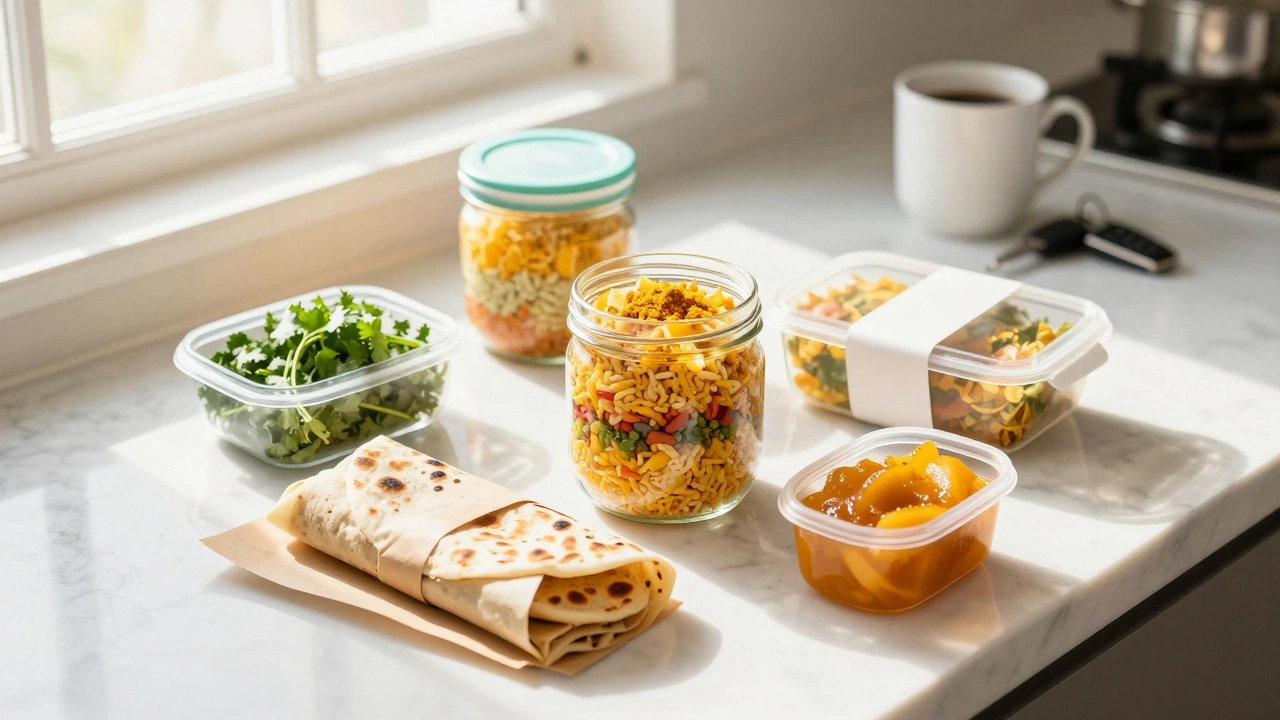
Take the Thepla, for example. These spiced flatbreads made with fenugreek leaves are naturally designed for travel. They stay fresh for days and don't require a side of curry to be delicious. Pair them with a small container of pickle, and you have a complete meal. Similarly, Poha, which is usually served in a bowl, can be packed into a leak-proof jar with extra peanuts and lemon juice mixed in, making it a perfect "shaker" breakfast.
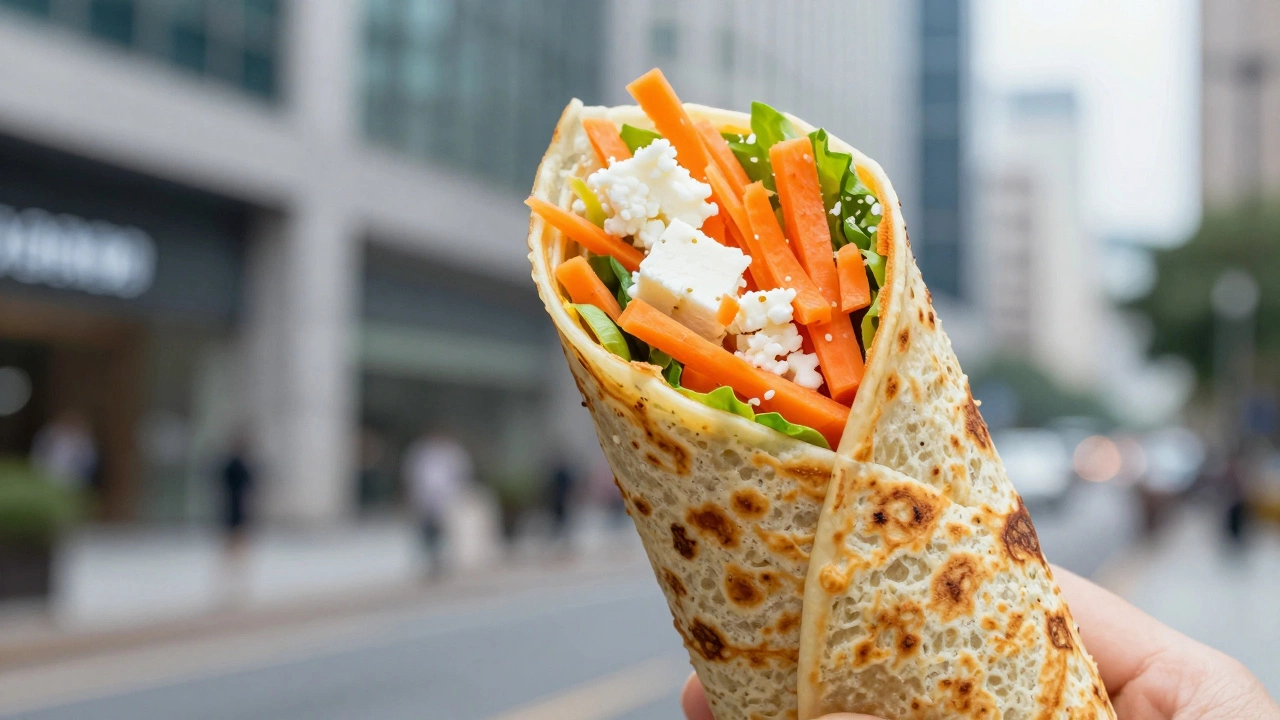
Another great option is the Moong Dal Chilla. These savory lentil pancakes are protein-packed and can be rolled up like a wrap. If you fill them with grated paneer and carrots, they become a self-contained nutrient bomb that you can eat with one hand while checking your emails.
| Traditional Dish | Grab-and-Go Version | Portability Trick | Primary Benefit |
|---|---|---|---|
| Idli & Sambar | Mini Idli Sliders | Pack in a jar with chutney inside | Fermented, gut-friendly |
| Paratha & Curd | Stuffed Paratha Wrap | Roll tightly in foil/parchment | High satiety/Energy |
| Upma | Savory Oats Upma Pot | Use a small insulated thermos | Fiber-rich/Warmth |
| Poha | Poha Salad Jar | Layer lemon/nuts at the bottom | Light and refreshing |
Mastering the Art of Meal Prep
The biggest hurdle to a grab and go lifestyle is the effort involved in the preparation. If you have to cook every single morning, you will eventually stop doing it. The trick is to move the work from the morning to the weekend. This is where Meal Prep comes in.
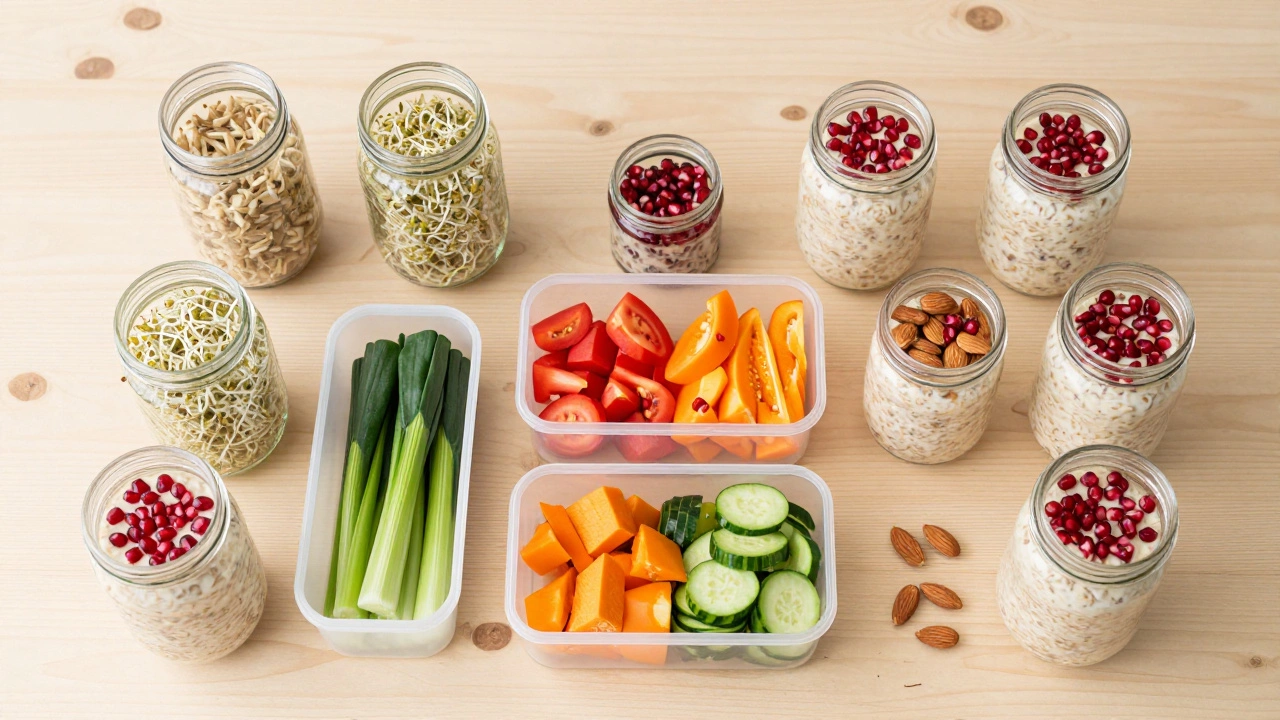
Spend two hours on Sunday afternoon preparing your base components. Chop your onions, carrots, and chilies. Boil your eggs or soak your sprouts. If you are making something like Overnight Oats, you can actually prepare three or four jars at once. These jars sit in the fridge, absorbing the liquid and softening the grains, meaning you literally just grab the jar and a spoon as you walk out the door.
For those who prefer savory flavors, try making a batch of savory muffins using chickpea flour (besan). These are essentially baked Dhokla-style bites. They are dense, filling, and can be popped in the microwave for 20 seconds or eaten cold. By preparing these in bulk, you turn your kitchen into a mini-cafe where the food is already waiting for you.
Common Pitfalls to Avoid
Many people start a grab and go routine but fail because they fall into a few common traps. First is the "Sugar Trap." It is tempting to grab a granola bar or a sweetened yogurt, but these are often hidden candy bars. They cause a massive spike in blood sugar followed by a crash that leaves you shaking by 11 AM. Always check the label for added sugars and prioritize whole grains over processed flours.
Second is the "Texture Trap." Some foods are great when fresh but turn into a soggy mess after four hours in a bag. For example, putting a wet chutney inside a wrap will make the bread mushy. Instead, use a separate small container or spread a thin layer of butter or cream cheese on the wrap to create a moisture barrier.
Finally, don't forget hydration. A grab and go breakfast often feels dry because you aren't sitting down with a glass of water or a cup of tea. Always carry a water bottle. Dehydration is often mistaken for hunger, and staying hydrated helps your body process the nutrients from your breakfast more effectively.
Practical Tools for the Modern Commuter
The right gear makes a huge difference in whether you actually enjoy your meal or if it becomes a chore. You don't need expensive gadgets, but a few smart choices help.
- Leak-Proof Glass Jars: Perfect for layered salads, poha, or overnight oats. Glass keeps food fresher than plastic and is easier to clean.
- Insulated Bags: If you are carrying something that needs to stay warm (like a paratha) or cold (like yogurt), a small insulated pouch is a lifesaver.
- Bento Boxes: These allow you to separate your main item from your dips or fruit, preventing flavor contamination.
- Reusable Beeswax Wraps: A great alternative to aluminum foil for keeping wraps and sandwiches fresh without the waste.
Quick-Start Guide for Different Lifestyles
Depending on your morning routine, your approach to a grab and go breakfast will differ. Here is how to tailor the strategy to your specific situation.
The "Five More Minutes" Sleeper: If you struggle to wake up, focus on the 0-second prep. This means overnight oats or a pre-made smoothie in the freezer that you just shake and go. Your goal is to minimize any interaction with the stove.
The Active Commuter: If you are walking to the metro or driving in traffic, you need "one-handed" foods. Think of homemade energy balls made from dates and nuts, or a tightly rolled vegetable wrap. Avoid anything that requires a fork or a spoon while you are moving.
The Desk-Breakfast Eater: If you have a commute but prefer to eat once you reach your desk, you can afford more complex textures. This is where the "Jar Method" shines. A layered parfait of yogurt, seeds, and pomegranate looks professional and tastes fresh after a 45-minute drive.
Are grab and go breakfasts actually healthy?
They can be incredibly healthy, provided you control the ingredients. The danger lies in store-bought "convenience" foods that are packed with preservatives and sugar. When you prep your own-using whole grains, nuts, and fresh vegetables-you are getting a balanced meal that is often healthier than a restaurant breakfast.
How long can I store prepped breakfasts in the fridge?
Generally, most prepped breakfasts last 3 to 5 days. Overnight oats and boiled eggs are best consumed within 3 days for maximum freshness. Theplas and savory muffins can often last up to a week if kept in airtight containers. Always smell and inspect your food before eating if it has been stored for more than 4 days.
What is the best container for a portable breakfast?
Glass mason jars are the gold standard for liquids and grains (like oats or poha) because they don't leak and don't absorb odors. For wraps or sandwiches, parchment paper or beeswax wraps are better than plastic bags as they allow the food to breathe slightly, preventing it from becoming soggy.
Can I make a grab and go breakfast without a fridge?
Yes. Focus on "shelf-stable" options. A mix of roasted makhana, almonds, and dried fruits is a great energy booster. Homemade granola with seeds or a peanut butter and banana sandwich on whole-grain bread can easily last a few hours without refrigeration.
How do I stop my wraps from getting soggy?
The trick is to create a moisture barrier. Spread a thin layer of butter, cream cheese, or a thick hummus on the tortilla before adding wet ingredients like tomatoes or chutneys. Also, avoid adding very hot fillings to a wrap that you plan to eat cold later, as the steam will soften the bread.