Anti-Inflammatory Indian Meal Builder
Build your ideal anti-inflammatory meal by selecting dishes below. We analyze the key compounds (Curcumin, Gingerols, Fiber, etc.) to estimate your "Inflammation Fighter" score.
Your Meal Score
- None selected
You’ve probably heard that chronic inflammation is the silent killer behind everything from joint pain to heart disease. But did you know your kitchen cabinet might hold the cure? While Western medicine often reaches for pills, traditional Indian cuisine has been fighting inflammation for thousands of years using common spices and legumes. It’s not just about taste; it’s about biology. Many staple ingredients in an average Indian pantry-turmeric, ginger, garlic, lentils-are scientifically proven to lower inflammatory markers like C-reactive protein (CRP) and interleukin-6.
If you’re dealing with stiffness, bloating, or just want to boost your immune system, you don’t need exotic superfoods. You likely already have them. The key is knowing which dishes maximize these benefits without drowning them in heavy cream or excessive oil. Here is how to eat your way to less inflammation, starting with the basics.
The Powerhouse: Turmeric and Its Active Compound
When people ask what makes Indian food anti-inflammatory, they are almost always talking about Turmeric. This bright yellow spice isn't just a colorant; it contains curcumin, a compound with potent antioxidant and anti-inflammatory effects. Research published in journals like Food & Function suggests curcumin can inhibit NF-kB, a molecule that travels into the nuclei of cells and turns on genes related to inflammation.
But here is the catch: raw turmeric powder is poorly absorbed by the body. If you just sprinkle it on rice, you’re missing out. Traditional Indian cooking solves this through two specific pairings:
- Fat: Curcumin is fat-soluble. Cooking it in ghee, coconut oil, or mustard oil increases absorption significantly.
- Black Pepper: Piperine, found in black pepper, boosts curcumin bioavailability by up to 2000%. This is why authentic recipes almost always include both.
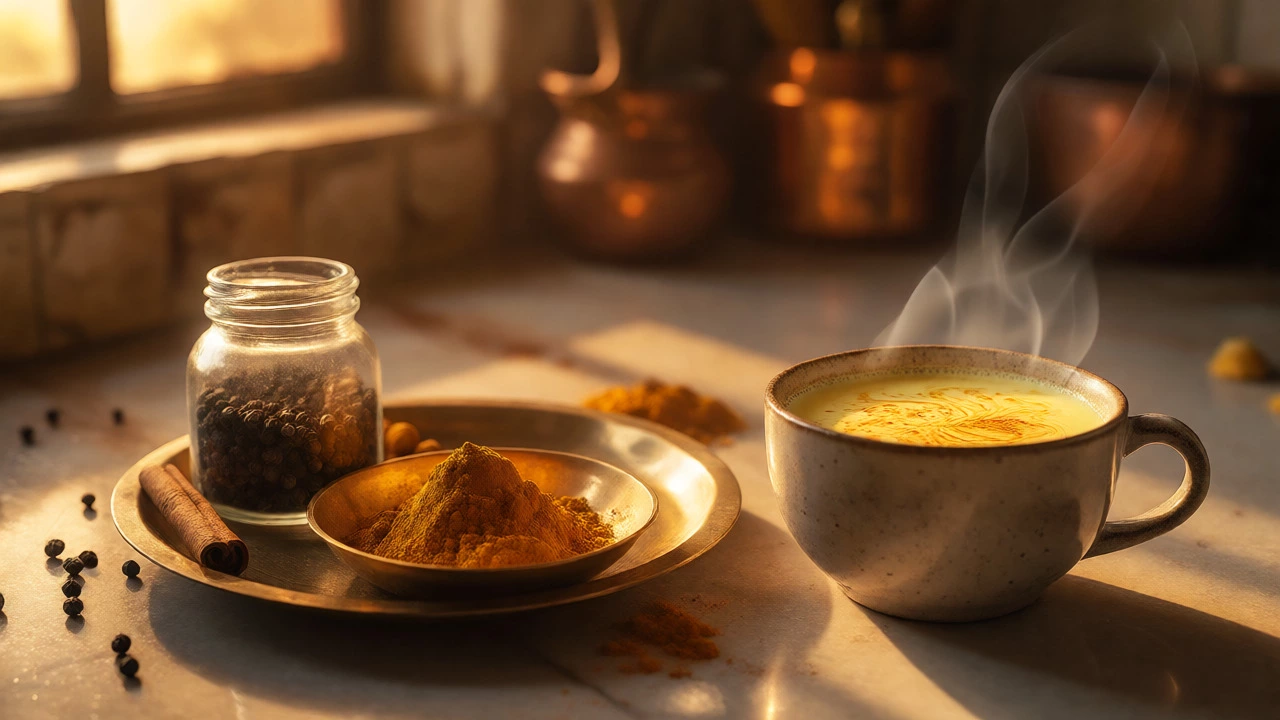
A simple Haldi Doodh (golden milk) made with warm milk, half a teaspoon of turmeric, a pinch of black pepper, and a little honey is one of the easiest ways to get this benefit daily. It’s calming, soothing, and directly targets systemic inflammation.
Lentils: The Unsung Heroes of Gut Health
Inflammation often starts in the gut. If your gut lining is compromised, toxins leak into the bloodstream, triggering an immune response. Enter Dal (lentils). Lentils are high in fiber, prebiotics, and plant-based protein. Fiber feeds the good bacteria in your microbiome, which produce short-chain fatty acids like butyrate. Butyrate is crucial because it reduces inflammation in the colon and strengthens the gut barrier.
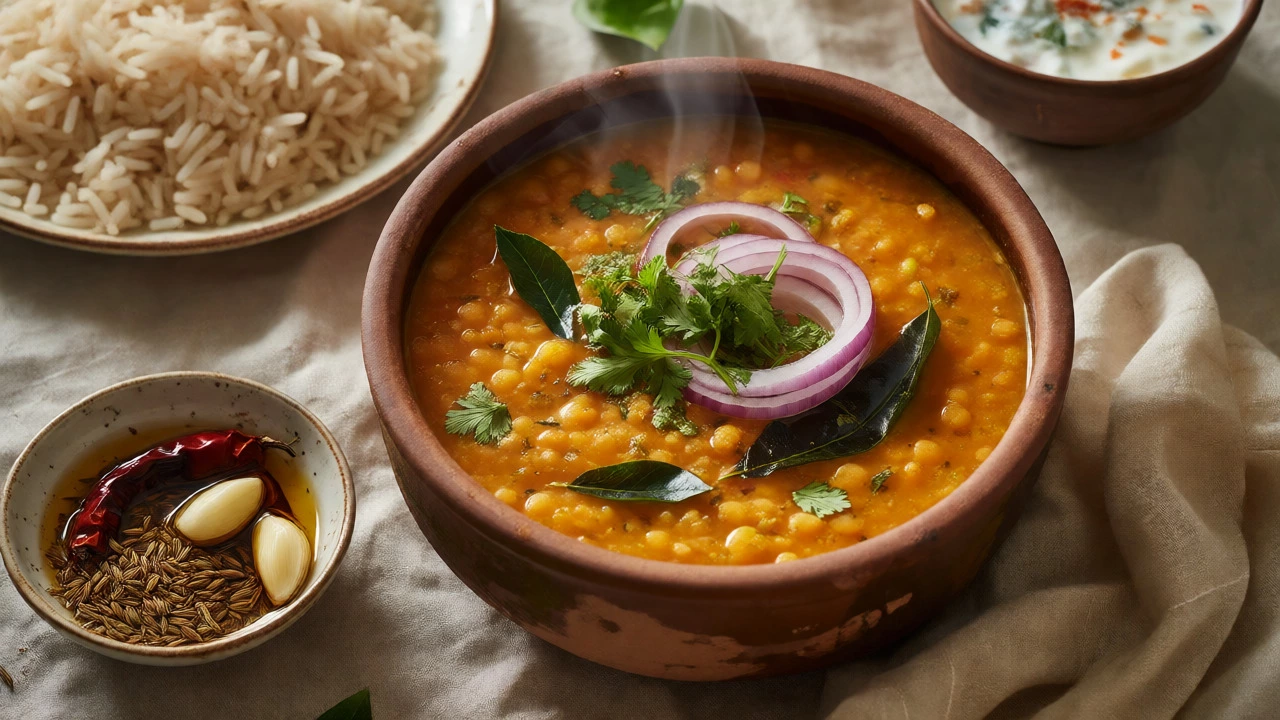
Not all dals are created equal when it comes to health. A rich, creamy Dal Makhani loaded with butter and cream is delicious but less optimal for reducing inflammation compared to a lighter Masoor Dal (red lentil soup). Red lentils cook quickly and are easy to digest. When tempered with cumin seeds, garlic, and curry leaves, they become a medicinal meal.
| Legume Type | Key Benefit | Best Preparation for Low Inflammation |
|---|---|---|
| Masoor Dal (Red Lentils) | High iron, fast digestion | Soup-style with minimal oil |
| Moong Dal (Green Gram) | Easiest to digest, low gas | Kitchari style with spices |
| Chana Dal (Split Chickpeas) | High fiber, stabilizes blood sugar | Stir-fried with veggies |
For beginners, start with Moong Dal. It is known in Ayurveda as the most balancing food because it doesn’t cause bloating, which itself can be a source of discomfort and stress-induced inflammation.
Ginger and Garlic: Nature’s Painkillers
If you’ve ever had a sore throat, you’ve likely used ginger tea. That’s because Ginger contains gingerols and shogaols, compounds that block COX-2 enzymes-the same enzymes targeted by drugs like ibuprofen. Studies show regular ginger consumption can reduce muscle pain and soreness after exercise.
Garlic works similarly. Allicin, the active compound in crushed garlic, has strong anti-inflammatory and antimicrobial properties. However, allicin is only formed when garlic is crushed or chopped and left to sit for a few minutes before cooking. Most Indian tadka (tempering) techniques involve frying garlic, which mellows the flavor but retains some health benefits. For maximum potency, add fresh grated ginger and minced garlic towards the end of cooking, or use them raw in chutneys.
Try adding a tablespoon of fresh ginger-garlic paste to your vegetable stir-fries (sabzi). Pair it with spinach or kale, which are also high in antioxidants, to create a double-hit against oxidative stress.
Healthy Fats: Ghee vs. Vegetable Oil
The type of fat you use matters immensely. Modern diets are often too high in Omega-6 fatty acids (found in soybean and sunflower oils), which can promote inflammation if not balanced with Omega-3s. Traditional Indian cooking uses Ghee (clarified butter), which contains butyric acid-a powerful anti-inflammatory for the gut.
Ghee also has a high smoke point, meaning it doesn’t break down into harmful free radicals when heated, unlike many refined vegetable oils. If you are vegan, cold-pressed mustard oil or coconut oil are excellent alternatives. Mustard oil, popular in Bengali and North Indian cooking, contains alpha-linolenic acid (an Omega-3), making it a smart choice for heart health.
Avoid deep-fried snacks like pakoras or samosas if you are actively trying to lower inflammation. The repeated heating of oil creates trans fats and advanced glycation end products (AGEs), which actually increase inflammation. Stick to sautéed, steamed, or baked preparations.
Spice Blends That Do More Than Flavor
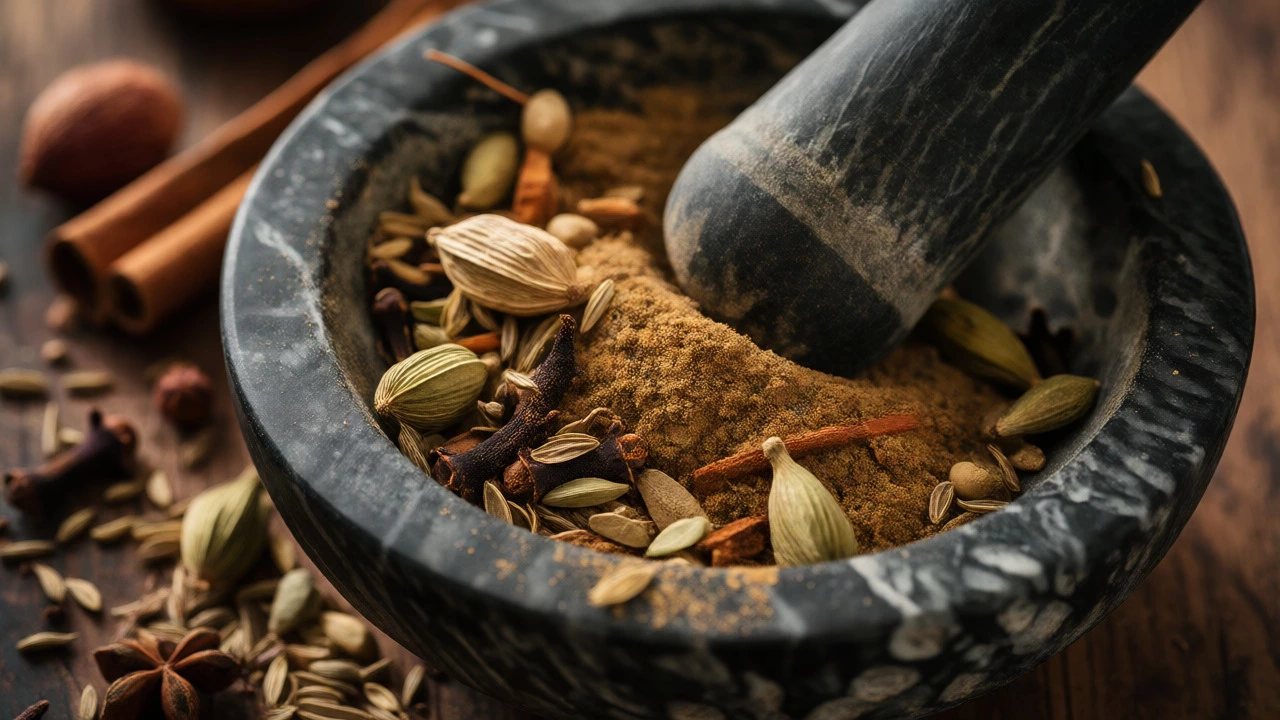
Indian masalas are essentially drugstores in disguise. Let’s look at a standard Garam Masala. It typically includes cinnamon, cloves, cardamom, black pepper, and cumin. Each of these has specific anti-inflammatory properties:
- Cinnamon: Helps regulate blood sugar spikes, which trigger inflammation.
- Cloves: Extremely high in antioxidants.
- Cardamom: Protects the stomach lining and aids digestion.
- Cumin: Enhances nutrient absorption.
Instead of buying pre-made mixes with fillers, make your own. Roast whole spices lightly and grind them fresh. The aroma will be stronger, and you’ll avoid hidden sugars or preservatives. Sprinkle this homemade blend over roasted vegetables or yogurt raita for an instant upgrade.
Practical Tips for an Anti-Inflammatory Indian Diet
You don’t need to overhaul your entire lifestyle overnight. Small swaps yield big results. Here is a quick checklist to make your next meal work harder for your health:
- Add Acid: Squeeze lemon or lime juice over your dal and sabzi right before eating. Vitamin C enhances iron absorption from lentils and adds antioxidant power.
- Go Green: Incorporate leafy greens like methi (fenugreek) or palak (spinach) into every meal. Fenugreek seeds, often used in tempering, help lower cholesterol and blood sugar.
- Limit Dairy: If you notice mucus buildup or digestive issues, try swapping cow’s milk for almond or oat milk in your chai, or stick to fermented dairy like yogurt and buttermilk, which are easier to digest and probiotic-rich.
- Hydrate with Herbs: Drink cumin-coriander-fennel (CCF) water. Boil a teaspoon of each seed in water, strain, and drink warm. It reduces bloating and supports detoxification.
Remember, consistency beats intensity. Eating a highly spiced, oily curry once a week won’t undo a month of processed foods. But incorporating a small bowl of moong dal with turmeric and ginger three times a week? That changes your baseline health.
Frequently Asked Questions
Is spicy Indian food bad for inflammation?
No, spicy food itself is not inherently bad. Capsaicin, the compound that makes chilies hot, has been shown to have anti-inflammatory and analgesic properties. However, individual tolerance varies. If you have acid reflux or gastritis, capsaicin might irritate your stomach lining, causing discomfort. In those cases, moderate the heat level rather than avoiding spices entirely. Focus on warming spices like ginger and cinnamon instead of intense chili heat.
Can I eat rice if I have inflammation?
White rice has a high glycemic index, which can spike blood sugar and potentially worsen inflammation if eaten in large quantities alone. To mitigate this, pair white rice with plenty of dal, vegetables, and salad. The fiber and protein slow down sugar absorption. Alternatively, switch to brown rice, red rice, or quinoa, which have more fiber and nutrients. Basmati rice generally has a lower glycemic impact than other white rice varieties due to its amylose content.
How much turmeric should I consume daily?
Most studies suggest 500-2,000 mg of turmeric extract per day for therapeutic benefits, which translates roughly to 1-3 teaspoons of culinary turmeric powder. However, always combine it with black pepper and a fat source for absorption. Consult a doctor if you are on blood thinners, as high doses of turmeric can interact with medication.
Are pickles (achaar) healthy?
Traditional fermented mango or lemon pickles contain beneficial probiotics and spices like fenugreek and mustard seeds. However, store-bought versions are often high in salt, vinegar, and preservatives. Excess sodium can raise blood pressure and contribute to inflammation. Make your own pickle with controlled salt levels, or eat store-bought ones sparingly as a condiment, not a main dish.
Does fasting help with inflammation?
Intermittent fasting, a practice common in Indian culture (like Ekadashi fasting), can reduce inflammatory markers. Giving the digestive system a rest allows the body to focus on cellular repair processes like autophagy. However, ensure you hydrate well and break the fast gently with light, nutritious foods like fruit or khichdi, not heavy fried meals.