
Chutney Decoder & Substitute Finder
Confused by chutney? Select a specific type below to see how Americans mislabel it, what it actually tastes like, and how to fake it if you're stuck at a US grocery store.
Mango Chutney
Sweet & Spicy
Coconut Chutney
Fresh & Savory
Tamarind Chutney
Sour & Sticky
Mint-Coriander
Herbal & Cool
Select a chutney type above to decode it.
You walk into a grocery store in Ohio, looking for chutney. You scan the aisles. You see jars of mango pickle. You see bottles of tamarind paste. But when you ask the clerk where the "chutney" is, they look at you like you just asked for directions to Mars. Why? Because for most Americans, chutney isn't a household staple-it's an exotic mystery. The confusion stems from a fundamental misunderstanding of what chutney actually is versus what Americans think it is.
Here is the blunt truth: Americans don't have one single word for chutney because chutney isn't one thing. It’s a category of condiments that spans sweet, sour, spicy, and savory profiles. When an American tries to find a substitute, they usually grab something completely wrong-like ketchup or standard mustard-and end up ruining their biryani or dosa. To fix this, we need to break down exactly how Americans perceive these flavors and what they actually call them when they try to replicate the experience without knowing the name.
The Great Translation Gap: Salsa, Relish, or Jam?
If you force an American to pick a close relative to chutney, they will almost always say salsa. This is the first major error. While both are chopped condiments, salsa is typically fresh, tomato-based, acidic (lime/vinegar), and herb-heavy (cilantro). It belongs to Mexican cuisine. Chutney, particularly the common Mango Chutney, is often cooked, thicker, sweeter, and uses spices like cumin, coriander, and ginger. If you put salsa on a samosa, you’re mixing two different cultural flavor profiles that rarely harmonize well.
Then there is relish. In the US, relish usually refers to pickled cucumbers (sweet or dill) served with hot dogs and burgers. It’s crunchy, vinegary, and cold. Some Americans do call fruit preserves "fruit relishes," which gets closer to the texture of a thick mango chutney, but the spice profile is missing entirely. A cucumber relish lacks the heat and aromatic depth of a proper Indian accompaniment.
Finally, some people mistake chutney for jam. Yes, British-style fruit chutneys sold in high-end US grocery stores look like jam. They are spreadable and sweet. But traditional Indian chutneys-like coconut or mint-are savory, fresh, and herbaceous. Calling a green coconut chutney "jam" makes any Indian cringe. It’s like calling guacamole "avocado butter." Technically similar, culturally wrong.
Decoding Specific Chutney Types by American Standards
To navigate this confusion, you have to look at specific types. Not all chutneys translate the same way. Here is how the average American shopper interprets the main varieties found in Indian restaurants and homes.
| Indian Chutney Type | Common American Mislabeling | Actual Closest Match | Why It Fails |
|---|---|---|---|
| Mango Chutney | Fruit Jam / BBQ Sauce | Sweet & Spicy Fruit Preserves | BBQ sauce has smoke; jam lacks spices like cardamom. |
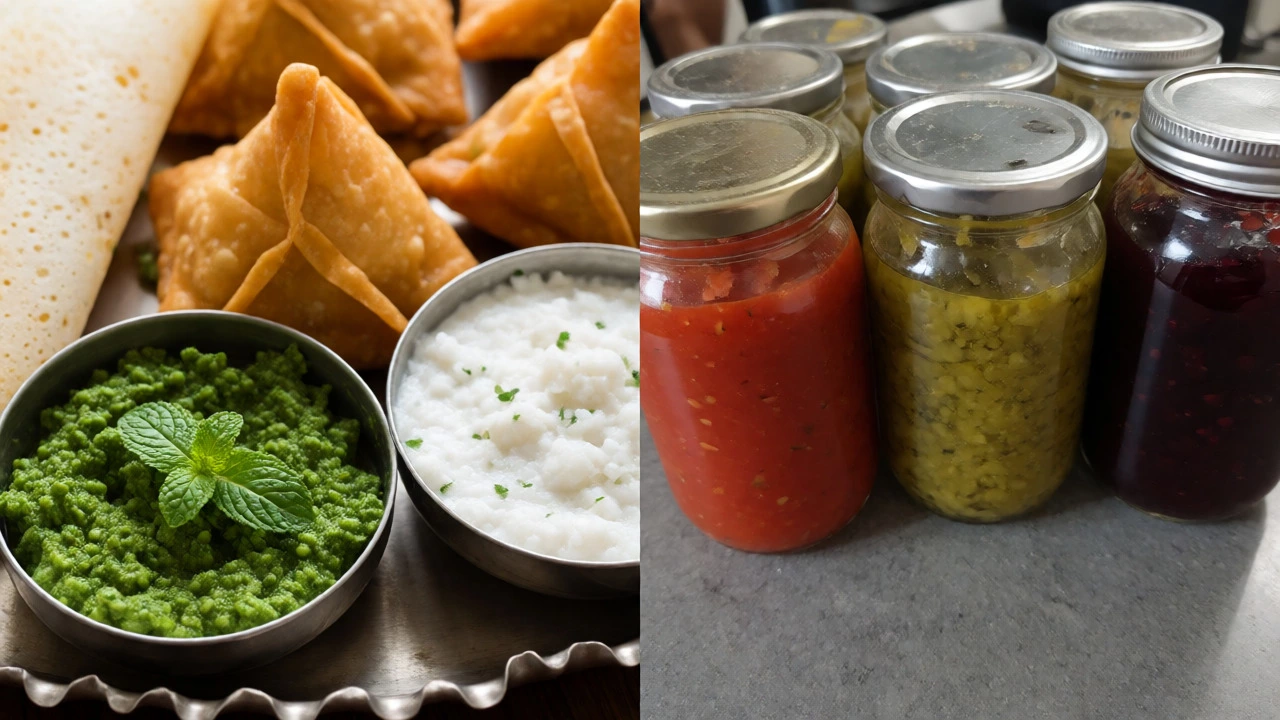
| Green Coconut Chutney | Guacamole / Pesto | Herb Paste / Savory Dip | Guac is avocado-based; pesto is basil/pine nut. Neither matches coconut/tadka. |
| Tamarind Chutney | Ketchup / Balsamic Glaze | Sweet-Sour Reduction | Ketchup is too vinegary; balsamic lacks jaggery sweetness. |
| Mint-Coriander Chutney | Salsa Verde / Chimichurri | Herb Sauce | Chimichurri uses oil/garlic; Mint chutney uses yogurt/water base. |
Notice the pattern? Americans map unfamiliar condiments to familiar textures. Thick and sweet? It’s jam or BBQ sauce. Green and chunky? It’s guac or salsa. Red and sticky? It’s ketchup. This heuristic helps them shop, but it fails miserably in cooking. If you buy ketchup expecting tamarind chutney, your chaat will taste like a fast-food burger gone wrong.
Where to Actually Find "Chutney" in the US
So, if you can’t rely on the label, where do you go? The term "chutney" exists in American English, but its usage is segmented by demographic and geography.
In mainstream supermarkets like Kroger or Walmart, you will rarely find fresh Indian chutneys in the produce section. Instead, you’ll find bottled Major Grey’s Chutney or similar brands in the condiment aisle near the ketchup. These are British-style fruit chutneys-chunks of apple, raisin, and sugar in vinegar. They are delicious with cheese boards but terrible with idli. If you want authentic Indian flavors here, you’re out of luck unless you’re willing to cook.
Your best bet is the international aisle. Look for jars labeled "Mango Pickle" or "Achar." Many Americans confuse pickle and chutney. In India, achaar (pickle) is oily and preserved; chutney is fresh and watery/thick. But in US packaging, the lines blur. A jar of "Sweet Mango Achaar" is often used as a substitute for mango chutney by non-Indians because it provides the necessary sweet-sour-spicy punch, even if the texture is oilier than ideal.
For fresh options, you must visit ethnic grocery stores. Indian markets (often called Patel Brothers or local equivalents depending on your city) stock frozen blocks of coconut chutney mix or ready-to-blend mint packs. Here, the signage is correct. They use the word "Chutney." If you are in a diverse metro area like New York, Chicago, or Jersey City, you might also find chutney in the deli counter of regular stores, often marketed as "South Asian Dips."
DIY Substitutes: What to Buy If You Can’t Find Chutney
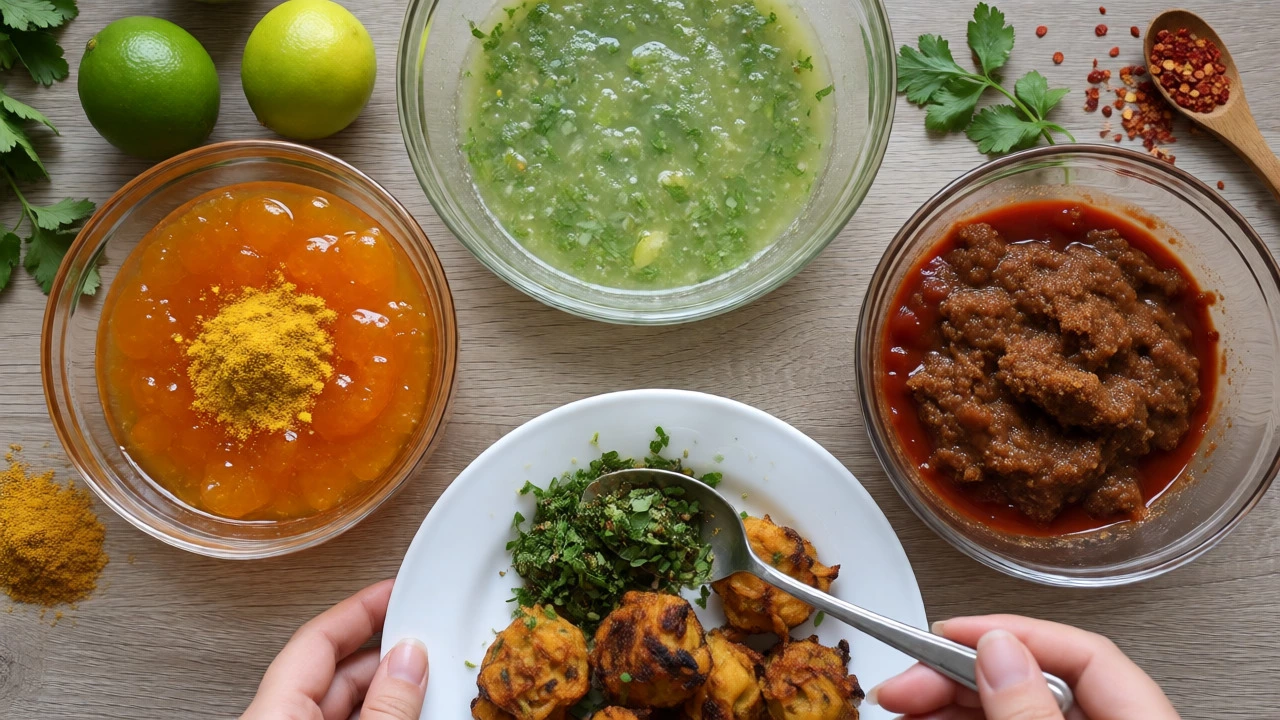
Let’s say you are hosting a dinner party, serving pakoras, and realize you forgot to make chutney. You run to the nearest CVS or gas station. What do you grab? Here is a survival guide for the desperate American home cook.
- For Tamarind Chutney: Mix equal parts ketchup and brown sugar, then add a splash of lime juice and a pinch of cayenne pepper. It won’t be perfect, but it hits the sweet-sour-spicy notes.
- For Mint-Coriander Chutney: Blend fresh cilantro, a little water, lemon juice, and salt. Add a clove of garlic if you want to mimic the pungency. It won’t have the cooling effect of yogurt, but it cuts through fried food fat effectively.
- For Coconut Chutney: This is the hardest to fake. Your best hack is to blend creamed coconut (sold in baking aisles) with water, curry powder, and a squeeze of lemon. It’s not traditional, but it provides the creamy, spiced mouthfeel.
- For Mango Chutney: Use apricot jam mixed with a teaspoon of yellow mustard powder and a dash of chili flakes. The mustard adds the tang that plain jam lacks.
These hacks work because they target the function of the chutney rather than its identity. Chutney exists to cut through grease, add moisture, and provide contrast. Any condiment that achieves those three things is a viable stand-in.
Why Americans Are Slow to Adopt the Term
Linguistically, "chutney" is a loanword from Hindi (chaṭnī). It entered English via British colonial rule in India. However, the British version of chutney became a sweet, preserved fruit product meant for tea sandwiches and cheese platters. When this concept migrated to America, it didn’t take root in everyday cooking the way salsa did. Salsa had a massive marketing push from Mexican-American communities and Tex-Mex chains. Chutney remained niche, associated with "fancy" British foods or specific Indian restaurants.
Furthermore, American culinary culture favors simplicity. "Sauce" covers everything from marinara to soy. Adding another category like "chutney" feels redundant to many. Why say "mint chutney" when you can say "mint sauce"? And indeed, many menu writers in the US simplify terms. You will frequently see "Tamarind Sauce" instead of Tamarind Chutney, or "Coconut Sauce" instead of Coconut Chutney. This simplification erodes the distinct identity of the condiment, leading to further confusion about what it actually tastes like.
This linguistic flattening creates a feedback loop. Because Americans call it "sauce," they expect it to behave like pasta sauce or barbecue sauce. When they encounter a fresh, herb-heavy mint dip, they are confused. It doesn’t fit their mental model of "sauce." By reclaiming the word "chutney" and understanding its diversity, cooks can set better expectations for themselves and their guests.
Final Verdict: Stop Asking for the Wrong Name
There is no single American word for chutney because there is no single American condiment equivalent. If you ask for "the Indian salsa," you get the wrong vibe. If you ask for "fruit jam," you miss the spice. The most accurate approach is to describe the flavor profile. Ask for "a sweet and sour tamarind glaze" or "a fresh herbal mint dip."
As Indian food becomes more mainstream in the US, the term "chutney" is gaining traction. Younger generations, exposed to global cuisines via TikTok and travel, are learning that chutney isn't just a weird pickle-it's a versatile tool. So next time you are shopping, ignore the confusing labels. Look for ingredients: tamarind, mango, mint, coconut. Trust your palate, not the aisle sign.
Is chutney the same as salsa?
No. While both are chopped condiments, salsa is typically fresh, tomato-based, and acidic, rooted in Mexican cuisine. Chutney is broader, often cooked or blended with fruits/herbs, and relies on complex spice blends like cumin and coriander, rooted in South Asian cuisine. Texture-wise, salsa is chunkier and wetter; chutney ranges from smooth pastes to thick jams.
Can I use relish instead of chutney?
Only in a pinch, and mostly for texture. Standard American relish is pickled cucumber, which is too vinegary and lacks the aromatic spices of Indian chutney. Fruit relishes are closer to mango chutney but lack heat. For a quick fix, mixing relish with a bit of sugar and chili powder can approximate the sweet-sour-spicy balance.
What does mango chutney taste like to Americans?
Most Americans describe it as "spicy apricot jam" or "sweet BBQ sauce with fruit." The combination of sugar, vinegar, and warm spices (ginger, cinnamon, cloves) is unfamiliar. Those who dislike strong spices may find it overpowering, while those who enjoy sweet-and-sour flavors usually appreciate it with fried foods.
Where do I buy real Indian chutney in the USA?
Avoid mainstream grocery store condiment aisles. Go to Indian grocery stores (e.g., Patel Brothers) for frozen or refrigerated fresh chutneys. In regular stores, check the international aisle for jars labeled "Achaar" (pickles) which can serve as substitutes, or look for brands like Patak's or Major Grey's, though the latter is British-style.
Why do menus say "sauce" instead of "chutney"?
To reduce consumer confusion. "Sauce" is a universal term Americans understand. Since many customers mistake chutney for a dessert topping or a pickle, using "Tamarind Sauce" or "Mint Sauce" sets clearer expectations that it is a savory accompaniment for the meal, not a side dish or dessert.