Acid Relief Snack Finder
Select how you are feeling or what you are looking for, and we'll suggest the best acid-absorbing food from the guide.
Recommended Snack
Description of why this works.
Stomach acid absorbers are typically foods with high fiber content or alkaline properties. They act like a sponge, soaking up the gastric juices or buffering the acidity so it doesn't irritate your esophageal lining. Since we are talking about Indian flavors, you don't have to give up taste to find relief. You just need to shift toward ingredients that soothe rather than stimulate.
Key Takeaways for Acid Relief
- High-fiber foods (like oats and whole grains) absorb excess acid.
- Alkaline foods (like bananas and melons) neutralize pH levels.
- Probiotics (like curd) balance gut bacteria to prevent overproduction of acid.
- Avoid fried, oily, and overly spicy triggers during a flare-up.
The Science of Soaking Up Acid
Your stomach produces Hydrochloric Acid a strong acid used to break down proteins and kill harmful bacteria. When this acid splashes back into the esophagus, you get heartburn. To stop this, you need foods that either physically absorb the liquid or chemically neutralize it.
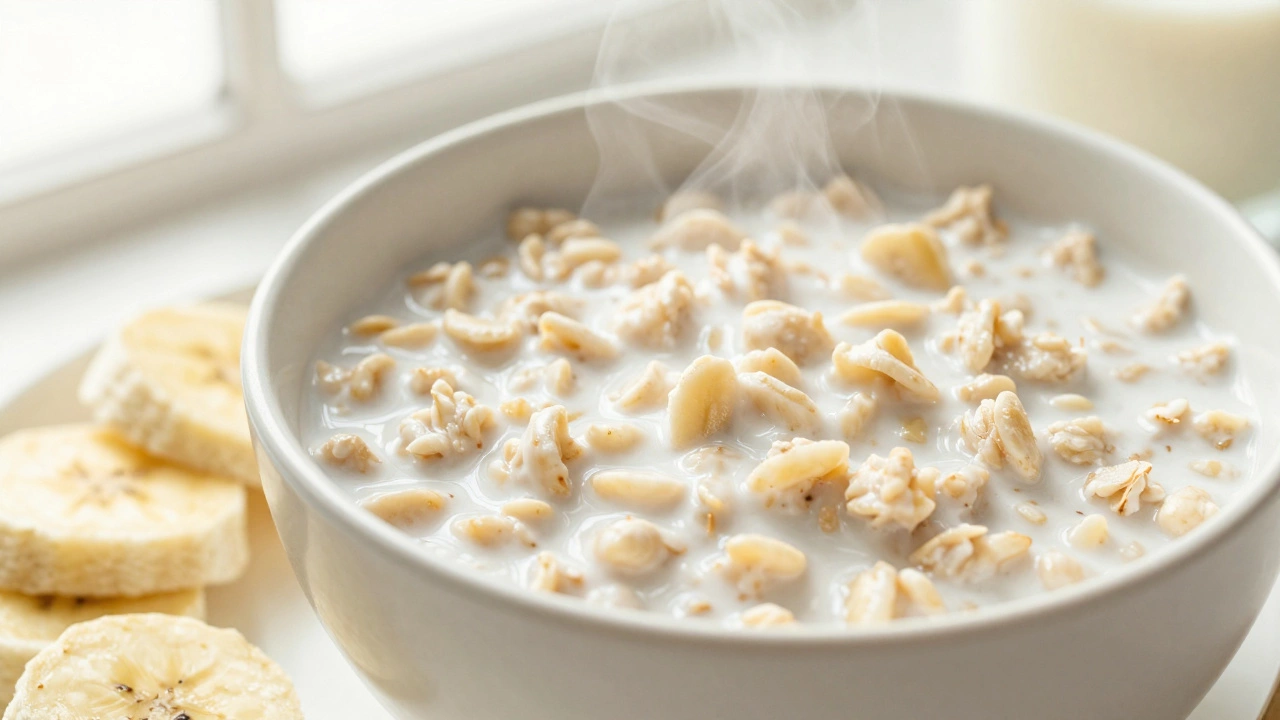
Soluble fiber is your best friend here. It turns into a gel-like substance in your gut, which can trap acid and prevent it from moving upward. For example, Oats a cereal grain rich in beta-glucan fiber are legendary for this. They don't just sit there; they actively absorb the acid, making them a perfect breakfast choice for anyone prone to reflux.
Indian Snacks That Actually Help
You don't have to switch to bland crackers. Indian cuisine has plenty of options that are gentle on the stomach and help absorb acid. The goal is to avoid deep-frying and heavy spices like red chili powder, which can relax the lower esophageal sphincter and make acid reflux worse.
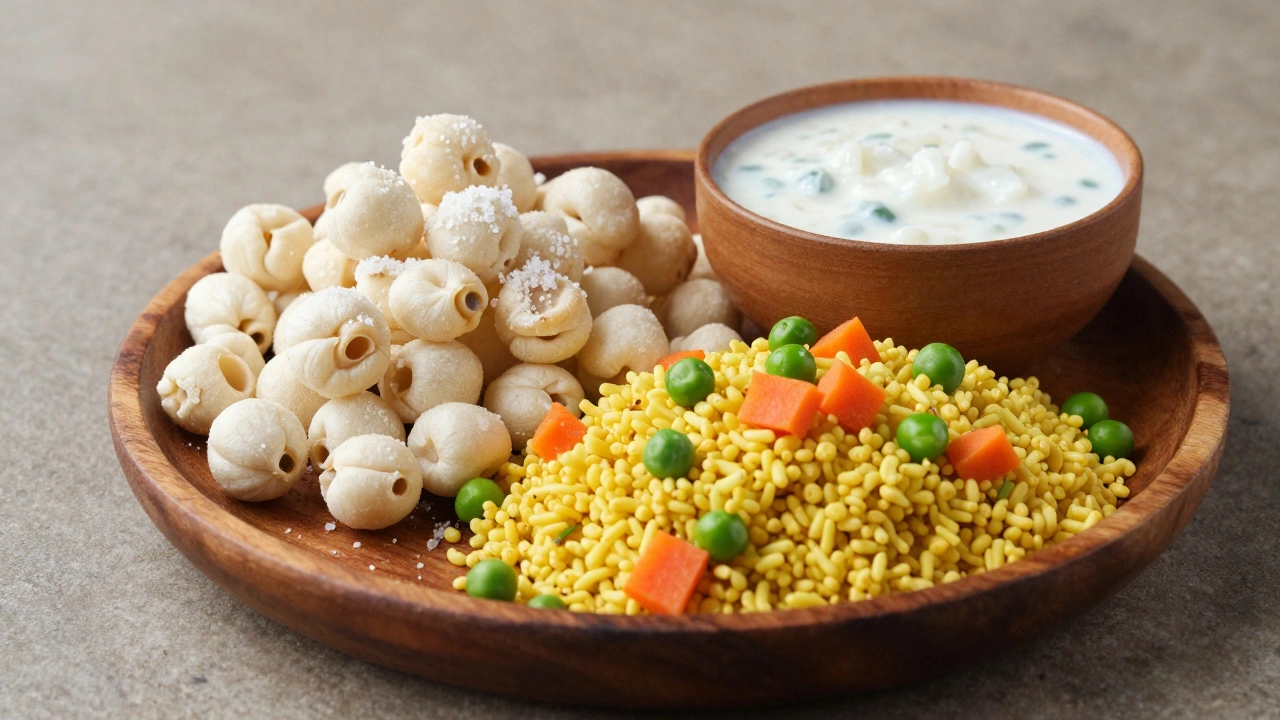
One of the best options is Roasted Makhana popped lotus seeds known for being light and nutrient-dense. Since they are airy and low in fat, they don't trigger acid production. If you roast them with a tiny bit of ghee and a pinch of salt (skip the heavy masala), they provide a satisfying crunch without the burn.
Then there is Poha flattened rice that is easy to digest and low in acidity. When prepared with minimal oil and lots of steamed vegetables, Poha acts as a mild absorbent. It's a great way to keep your stomach full without overloading it with triggers.
| Snack | Mechanism | Best Preparation | Acid Level |
|---|---|---|---|
| Makhana | Low-fat/Light | Dry roasted with salt | Alkaline |
| Poha | Easy Digestion | Steamed with carrots/peas | Neutral |
| Curd Rice | Probiotic/Cooling | Fresh curd with soft rice | Alkaline |
| Boiled Moong | High Fiber | Lightly steamed, no chili | Neutral |
The Power of Probiotics and Cooling Foods
While fiber absorbs acid, probiotics manage the environment that creates it. Curd a fermented dairy product containing Lactobacillus is a staple in Indian homes for a reason. It doesn't just "absorb" acid in a physical sense; it cools the stomach lining and introduces healthy bacteria that keep acid levels stable.
If you're feeling a burn right now, try a bowl of chilled curd rice. The starch in the rice absorbs some of the gastric juices, while the curd neutralizes the acid. It's like a natural coating for your stomach. Avoid adding spicy pickles to this, as the vinegar and chilies will completely negate the cooling effect.
Fruits That Act as Natural Antacids
Not all fruits are created equal when it comes to acid. While citrus fruits like lemons or oranges can make the burning worse, alkaline fruits are lifesavers. Bananas a fruit with a natural antacid effect due to its low acidity and potassium content are perhaps the most famous stomach acid absorbers. They contain pectin, a fiber that helps move food through the stomach faster, meaning acid has less time to build up.
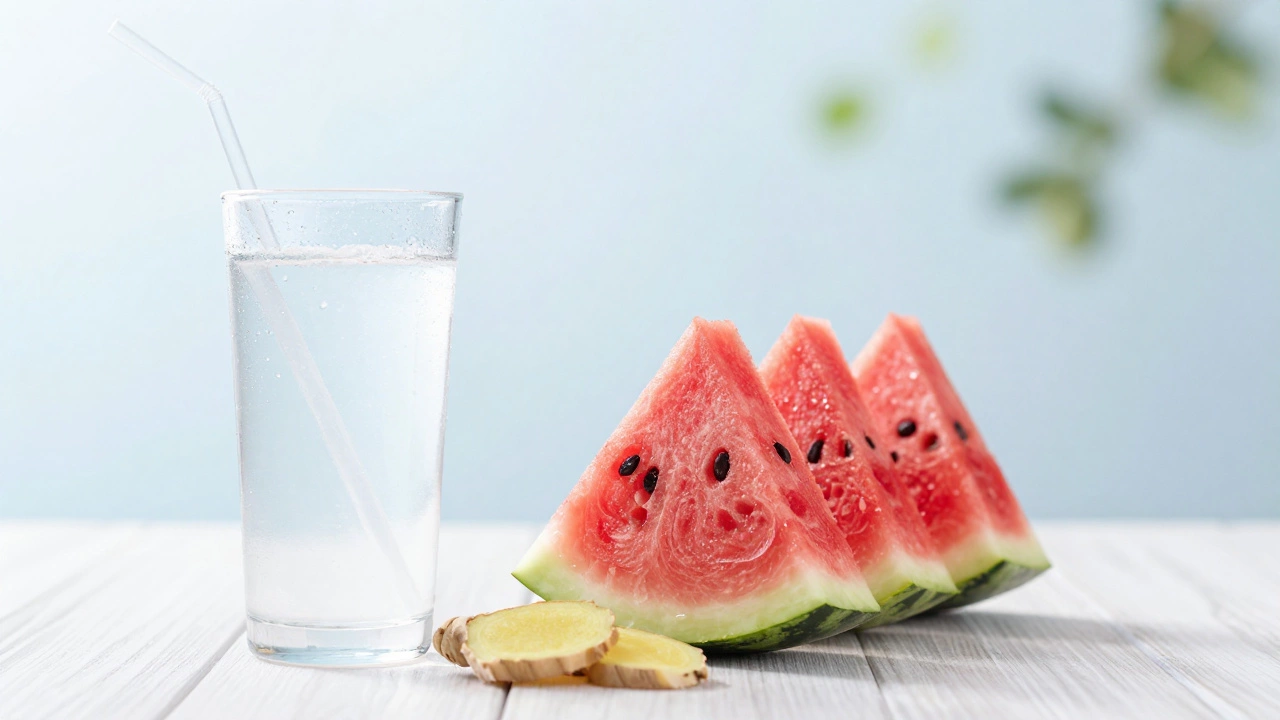
Melons are another fantastic choice. Because they have a high water content and are naturally alkaline, they help dilute the acid in your stomach. Slicing up some watermelon or cantaloupe as a mid-day snack can provide an immediate cooling sensation and lower the pH level of your gastric juices.
Common Mistakes That Trigger Acid
You can eat all the makhana in the world, but if you're pairing it with habits that trigger acid, you're just fighting a losing battle. One of the biggest mistakes is drinking large amounts of water during a meal. This can dilute the enzymes needed for digestion, making the stomach produce *more* acid to compensate.
Another trap is the "late-night spicy snack." Lying down shortly after eating heavy, oily foods allows gravity to push acid back into your throat. If you must snack at night, stick to something light and alkaline, like a few pieces of steamed apple or a small cup of warm almond milk.
How to Build an Acid-Friendly Routine
Consistency is key. If you suffer from chronic acidity, you can't just treat it once a week. You need to build a routine that keeps your stomach pH balanced throughout the day.
- Start your day with alkaline water or a glass of lukewarm water to wake up the digestive system gently.
- Swap your tea/coffee for herbal infusions. Caffeine is a known trigger that relaxes the stomach valve. Try ginger tea instead, as ginger is a natural anti-inflammatory for the gut.
- Eat smaller, more frequent meals. Overloading the stomach puts pressure on the valve, forcing acid upward.
- Choose whole grains over refined flour. Switch from white bread or maida-based snacks to brown rice, oats, or ragi.
Can drinking milk absorb stomach acid?
Yes, but with a catch. Milk is slightly alkaline and can provide temporary relief by neutralizing acid and coating the stomach lining. However, the calcium and proteins in milk can actually trigger the stomach to produce *more* acid shortly after. For long-term relief, low-fat milk or plant-based alternatives like almond milk are better choices.
Is coconut water good for acid reflux?
Absolutely. Coconut water is rich in electrolytes and is naturally alkaline. It helps balance the pH levels in the stomach and hydrates the esophageal lining, making it one of the best drinks to sip on during an acid flare-up.
Do raw vegetables help absorb acid?
Some do, but not all. Cucumber and celery are excellent because of their high water content and alkalinity. However, raw onions and garlic can be huge triggers for many people. If you're in the middle of a burn, stick to cooling vegetables like cucumber.
Why does ginger help with acidity?
Ginger is a powerful anti-inflammatory. It helps speed up the emptying of the stomach, which means food doesn't sit around long enough to cause excessive acid build-up. It also helps soothe the stomach lining and reduces nausea.
Can I eat spicy food if I eat an absorber afterward?
While a banana or some curd can help mitigate the effects, it's not a "magic eraser." Spicy foods can cause lasting irritation to the stomach lining. The best approach is to moderate the spice levels during the meal rather than trying to fix the damage afterward.
What to Do Next
If you're dealing with a sudden attack, start with a glass of coconut water or a piece of banana. If you want to prevent future issues, begin replacing your processed snacks with roasted makhana or steamed sprouts. If your acid reflux happens more than twice a week or is accompanied by unintended weight loss, it's time to stop the home remedies and see a doctor to rule out GERD or ulcers.