Indian Snack Health & Calorie Checker
Select a snack from the list to see its nutritional breakdown and find a healthier alternative.
Walking through a bustling market in Mumbai or standing in line at a busy tea stall in Delhi, the smell of frying oil hits you before you even see the food. It’s intoxicating. But let’s be honest: that same smell is often a warning sign. When people ask what the most unhealthy food in the world is, they usually think of fast-food burgers or soda. But if we zoom in on Indian snacks, the real culprits are hiding in plain sight, wrapped in banana leaves or served on paper plates.
The problem isn’t just one specific dish. It’s a combination of deep-frying, refined flour (maida), excessive sugar, and heavy cream. These ingredients strip away nutrients while packing calories into tiny bites. If you’re trying to eat healthier without giving up the flavors you love, you need to know exactly which items to skip and what to grab instead.
The Deep-Fried Danger Zone
Deep-frying is the backbone of Indian street food. It makes things crispy, golden, and addictive. Unfortunately, it also turns simple ingredients into calorie bombs. When you dip dough or vegetables in hot oil, they absorb more fat than you’d expect. Add to that the fact that many vendors reuse the same oil for days, and you’re consuming trans fats and oxidized oils that spike inflammation in your body.
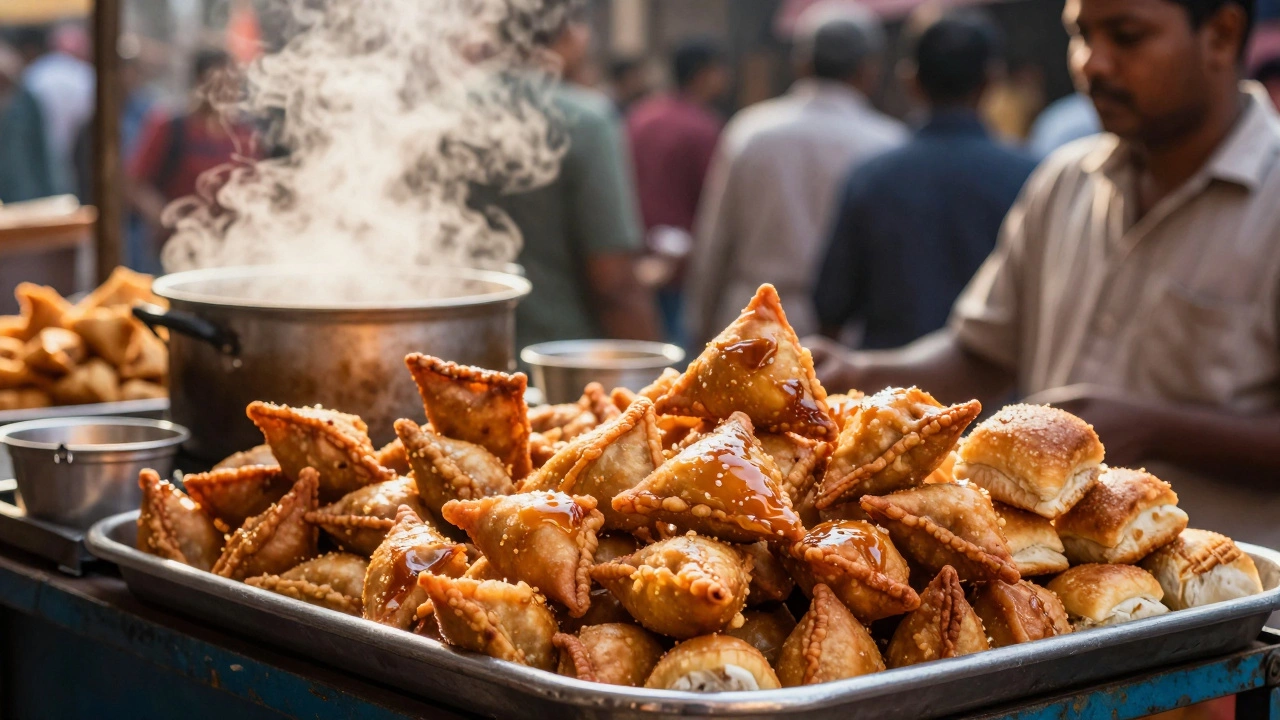
Take the classic Samosa. It sounds innocent enough-potatoes, peas, spices. But the pastry shell is made from maida, a refined wheat flour with zero fiber. The filling is boiled potatoes mashed with salt and oil, then wrapped in that dough and fried until crunchy. A single large samosa can contain over 300 calories, mostly from fat and empty carbs. It spikes your blood sugar quickly and leaves you hungry again an hour later.
Then there’s Vada Pav. This Mumbai icon is essentially a potato fritter sandwiched between two buns, slathered in chutney and chili powder. The vada itself is deep-fried spiced potato paste. The bun is white bread. The chutneys? Often loaded with sugar to balance the heat. One serving clocks in around 450-500 calories. It’s energy-dense but nutrient-poor. You’re getting fuel, yes, but not the kind that sustains you.
- Samosa: High in saturated fats due to deep-frying; maida crust offers no nutritional value.
- Vada Pav: Combination of refined carbs and fried potatoes creates a high glycemic load.
- Pani Puri/Golgappa: The shells are deep-fried semolina; the water inside is often contaminated if hygiene is poor, leading to stomach bugs rather than nutrition.
Sugar-Coated Traps
If fried foods are the first trap, sweets are the second. Indian desserts and sweet snacks are legendary for their richness. But "rich" usually means rich in ghee, sugar, and condensed milk. Even savory-looking snacks can hide surprising amounts of sugar.
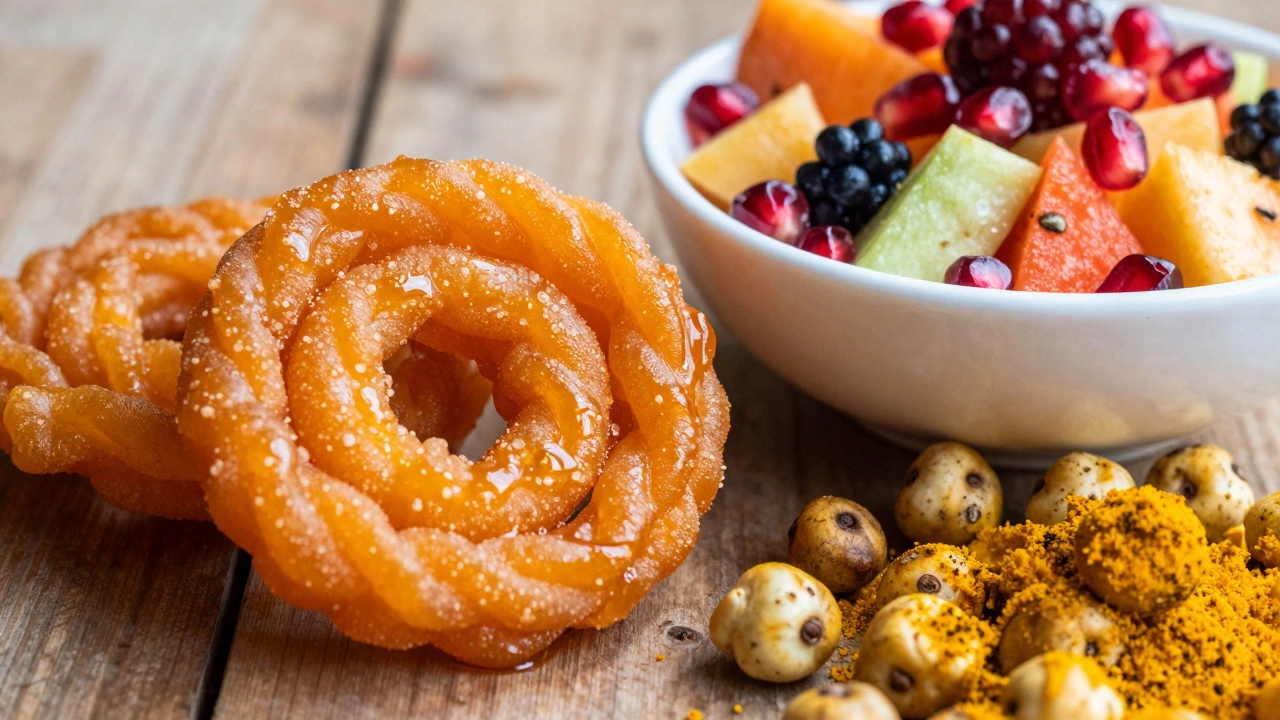
Consider Jalebi. Those bright orange, spiral-shaped treats look festive and taste like caramelized heaven. They are made by pouring batter into hot oil and soaking the fried rings in sugar syrup. There is almost no fiber or protein here. Just pure sugar and fat. Eating jalebi causes a rapid spike in blood glucose levels. For anyone watching their weight or managing diabetes, this is a major red flag.
Even some breakfast items fall into this category. Poha can be healthy if prepared with lots of vegetables and peanuts. But the street version? It’s often cooked with excessive ghee, fried onions, and sometimes even added sugar to enhance flavor. Similarly, Idli Sambar is generally wholesome because idlis are steamed rice cakes. However, when served with heavy coconut chutney and sugary podi (powder), the health benefits diminish significantly.
| Snack Item | Approx. Calories (per serving) | Primary Health Concern | Better Alternative |
|---|---|---|---|
| Samosa (1 large) | 300-350 kcal | Trans fats, refined flour | Baked Samosa or Stuffed Papad |
| Vada Pav (1 piece) | 450-500 kcal | High glycemic index, fried | Makhana Khatta Meetha or Roasted Chana |
| Jalebi (6 pieces) | 250-300 kcal | Pure sugar spike, no fiber | Fruit Chaat or Dry Fruit Mix |
| Pav Bhaji (1 plate) | 500-600 kcal | Excessive butter/ghee, refined carbs | Paneer Tikka with Mint Chutney |
| Kachori (2 pieces) | 350-400 kcal | Deep-fried legume dough | Roasted Moong Dal Chilla |
The Hidden Sodium Bomb
We talk about sugar and fat, but sodium is the silent killer in many Indian snacks. Pickles (achar), papads, and certain chutneys are preserved using massive amounts of salt. While a little salt is fine, combining salty snacks with processed chips or pickled vegetables pushes your daily intake way beyond recommended limits. High sodium leads to water retention, bloating, and increased blood pressure.
Think about Papad. A dry papad has minimal calories. But once you roast or fry it and dip it in pickle, you’re adding significant sodium and fat. Many commercial papads also contain preservatives and artificial colors. If you crave that crunch, switch to roasted chickpeas (bhuna chana) or makhana (fox nuts). They provide texture without the chemical additives or excessive salt.
How to Make Smarter Choices
You don’t have to give up Indian snacks entirely. The key is modification and moderation. Here’s how you can enjoy your cravings without wrecking your health goals.
- Choose Steamed Over Fried: Opt for idlis, dhoklas, or kuttu puris instead of vadas or pakoras. Steaming preserves nutrients and eliminates the oil absorption issue.
- Swap Maida for Whole Grains: Look for snacks made from ragi, jowar, bajra, or whole wheat. A ragi mudde or bajra khichdi provides slow-release energy thanks to its fiber content.
- Add Protein and Fiber: Never eat carbs alone. Pair your snack with a handful of roasted chana, a cup of dal, or some paneer. Protein keeps you full longer and stabilizes blood sugar.
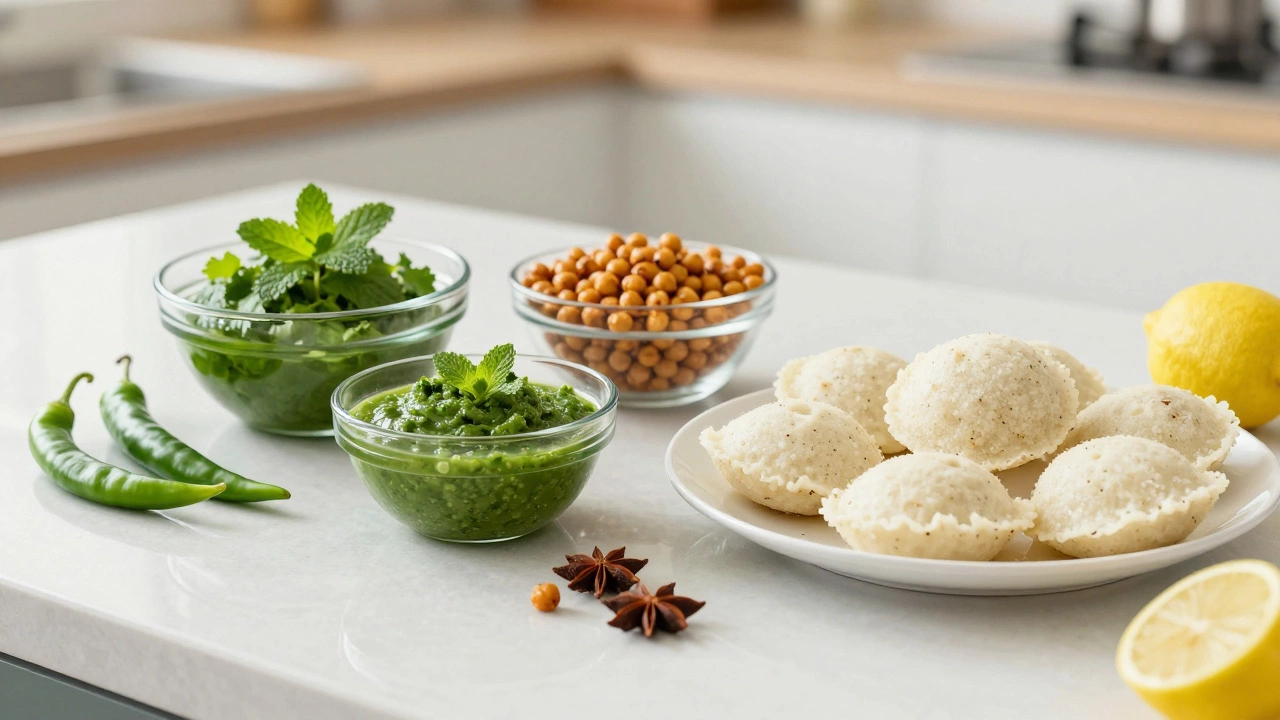
- Watch the Chutneys: Instead of store-bought tamarind or date chutneys loaded with sugar, make fresh mint-cilantro chutney with green chilies and lemon juice. It adds flavor without the sugar crash.
- Portion Control: If you really want a samosa, eat half. Share it with a friend. Enjoy the taste without consuming the entire calorie load.
Healthy Swaps for Everyday Cravings
Let’s get practical. Here are some delicious, nutritious alternatives that satisfy the same cravings as the unhealthiest options.
Craving something crunchy? Try Makhana (fox nuts). Pop them in a pan with a teaspoon of ghee, turmeric, and black pepper. They’re light, airy, and packed with magnesium. Or go for roasted chana, which is high in protein and fiber.
Want something savory and spicy? Make Vegetable Pakoras using besan (gram flour) instead of maida, and shallow fry them in an air fryer or non-stick pan with minimal oil. Use spinach, zucchini, or beetroot slices for extra vitamins.
Need a sweet fix? Skip the jalebi and try fruit chaat. Mix apples, pomegranate seeds, and berries with a sprinkle of chaat masala and lemon juice. It gives you the tangy-sweet kick without the sugar syrup.
Understanding the Long-Term Impact
Eating these unhealthy snacks occasionally won’t ruin your health. But making them a daily habit does. Chronic consumption of trans fats and refined sugars is linked to heart disease, type 2 diabetes, and obesity. In India, where physical activity levels are dropping and sedentary lifestyles are rising, dietary choices matter more than ever.
Your body doesn’t distinguish between "good" calories and "bad" calories-it only sees energy. But it does respond differently to how those calories are packaged. Whole foods digest slowly, providing steady energy. Processed, fried, and sugary snacks cause insulin spikes and crashes, leaving you tired and craving more. Breaking this cycle starts with awareness.
Next time you reach for a snack, pause. Ask yourself: Is this nourishing my body or just satisfying a momentary urge? Small changes add up. Swap one fried item for a steamed one each week. Replace sugary drinks with buttermilk (chaas) infused with cumin and mint. Over time, your palate adjusts, and healthier foods start tasting better.
What is the single most unhealthy Indian snack?
While "most unhealthy" depends on portion size and frequency, Pav Bhaji and Vada Pav are often cited as top contenders due to their high calorie count (500+ kcal per serving), excessive use of butter/ghee, and reliance on refined carbohydrates. They offer little nutritional value beyond quick energy.
Are Indian street foods always unhealthy?
Not necessarily. Items like Idli, Dosa (made with fermented rice and lentils), and Chole Bhature (if bhatura is skipped) can be part of a balanced diet. The issue arises with frequent deep-frying, heavy oil usage, and lack of hygiene, which increases health risks.
Can I eat samosas if I am on a diet?
Yes, but in moderation. Consider baking samosas instead of frying them, or eating only half. Pairing a small samosa with a side of salad or yogurt can help balance the meal by adding fiber and protein, reducing the overall glycemic impact.
What are some healthy late-night Indian snacks?
Good options include warm milk with turmeric (haldi doodh), a bowl of sprouts, roasted makhana, or a small portion of vegetable soup. These are light on the stomach, easy to digest, and won’t disrupt your sleep or spike blood sugar levels.
Why are deep-fried foods so common in Indian cuisine?
Deep-frying enhances flavor, texture, and shelf life. Historically, it was a method to preserve food and make it more palatable during times of scarcity. Today, it remains popular due to cultural preference for crispy textures and the availability of affordable cooking oils, despite known health drawbacks.