Indian Potato Meal Planner
Your Meal Plan
Select dishes to generate your personalized Indian potato meal plan.
--
Walk into any Indian kitchen, from a bustling street stall in Mumbai to a quiet home in Delhi, and you will likely find one ingredient sitting center stage: the potato. If you have ever wondered, "Does Indian food have potatoes?" the answer is a resounding yes. In fact, it would be nearly impossible to describe Indian cuisine without talking about potatoes. They are not just an occasional side dish; they are a staple, a comfort food, and a canvas for some of the most beloved flavors in the country.
But why are potatoes so central to a cuisine that has thousands of years of history, considering the potato itself is a New World crop? The story involves colonial trade, agricultural adaptability, and a culinary culture that mastered the art of transforming simple ingredients into complex, flavorful meals. Understanding this relationship helps explain why almost every regional variation of Indian food features potato-based dishes prominently.
The Historical Journey of the Potato to India
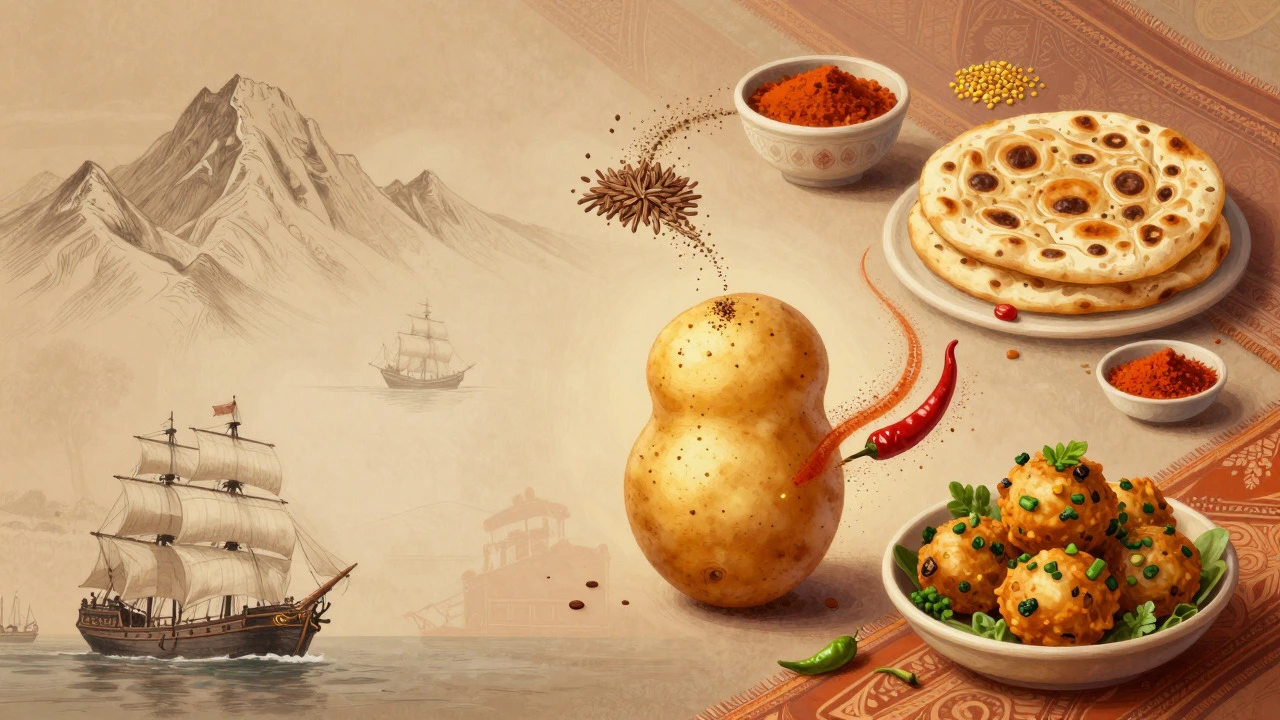
To understand the depth of potato usage in Indian cooking, we first need to look at where it came from. The potato (Solanum tuberosum) originated in the Andes Mountains of South America. It did not exist in Asia before the Age of Exploration. The vegetable arrived in India during the 16th century, brought by Portuguese traders who were active along the western coast, particularly in Goa and Kerala.
Initially, the potato was grown as an ornamental plant because its leaves and berries were considered poisonous if eaten raw. However, within a few decades, cooks discovered that the tuber itself could be cooked safely. By the time the British East India Company established control over large parts of India in the 18th and 19th centuries, the potato had already taken root-literally and culturally. The British encouraged potato cultivation as a reliable cash crop and a way to prevent famine, which accelerated its spread across the subcontinent.
| Period | Event | Impact on Cuisine |
|---|---|---|
| 1500s-1600s | Arrival via Portuguese traders | Grown ornamentally; limited culinary use |
| 1700s-1800s | British colonial promotion | Widespread cultivation; integration into daily diet |
| 1900s-Present | Culinary mastery | Becomes essential ingredient in snacks, curries, and street food |
This historical context is crucial because it shows that while the potato is not indigenous to India, it has been adopted more fully than in many other cultures. It didn't replace traditional staples like rice or wheat; instead, it complemented them, offering a cheap, filling, and versatile option for both vegetarian and non-vegetarian households.
Why Potatoes Work So Well in Indian Cooking
You might ask yourself, what makes the potato such a perfect fit for Indian spices? The answer lies in the vegetable's physical properties. A raw potato is bland and starchy. This neutrality is actually its greatest strength. Unlike onions, tomatoes, or leafy greens, which have strong inherent flavors, potatoes act as a sponge. They absorb marinades, oils, and spice blends without losing their structural integrity (if cooked correctly).
In Indian cooking, texture is just as important as taste. Potatoes can be crispy when fried, creamy when mashed, or fluffy when boiled. This versatility allows chefs to create contrasting textures within a single meal. For example, a soft, spiced potato curry (Aloo Gobi) might be served alongside crisp fried potato slices (Aloo Bhaji). This variety keeps the eating experience dynamic and interesting.
Furthermore, potatoes are incredibly affordable and available year-round in almost every market in India. For a population where vegetarianism is common due to religious, economic, or personal reasons, potatoes provide a dense source of carbohydrates and energy. They stretch expensive proteins like paneer (cottage cheese) or lentils, making nutritious meals accessible to families with limited budgets.
Regional Variations: How Different States Use Potatoes
India is not a monolith; it is a collection of diverse regions, each with its own culinary identity. The way potatoes are prepared varies significantly depending on geography, climate, and local spice availability. Let's explore how different parts of the country approach this humble tuber.
The North: Rich Curries and Street Snacks
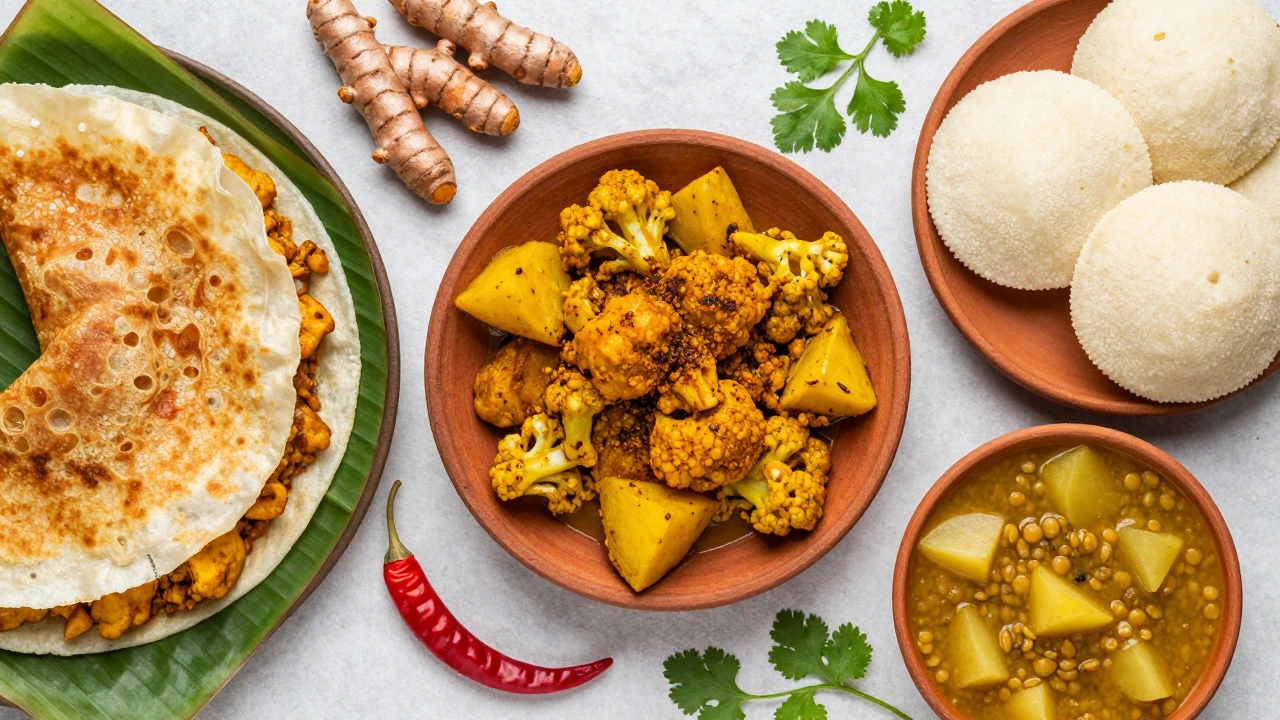
In Northern India, particularly in states like Punjab and Uttar Pradesh, potatoes are often the star of the show. Aloo Gobi, a dry curry made with cauliflower and potatoes, is a household staple. The potatoes here are usually cubed and cooked until tender but firm, coated in a thick paste of turmeric, cumin, and coriander powder.
Street food in the north relies heavily on potatoes. Aloo Tikki are shallow-fried patties made from mashed potatoes mixed with peas, onions, and green chilies. They are typically served with tamarind chutney and yogurt-based sauces. Another popular item is Chhole Bhature, where spicy chickpeas are served with large, fluffy fried breads, but often accompanied by a side of fried potato slices.
The West: Crispy Fritters and Chaat
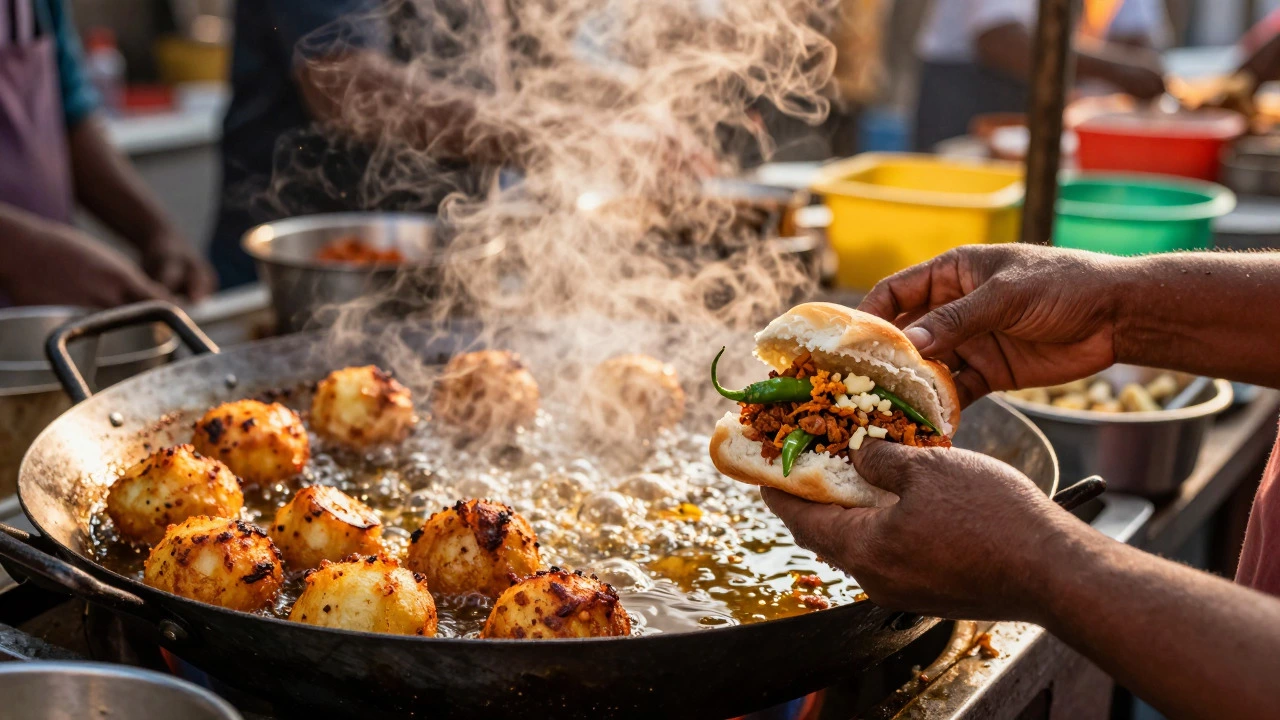
Mumbai and Gujarat represent the western palate, where potatoes are transformed into addictive snacks. Vada Pav, often called the "Indian burger," consists of a spicy potato fritter (vada) placed inside a soft bread roll (pav). It is dipped in chili sauce and garnished with fried garlic and green chilies. This dish is a testament to how potatoes can become a fast-food icon.
In Gujarat, potatoes are used in Undhiyu, a winter vegetable stew that includes yam, eggplant, and seasonal greens. The potatoes add body and thickness to the gravy, absorbing the complex blend of fenugreek and coconut powders that define Gujarati cuisine.
The South: Dosas, Idlis, and Sambar
Southern India takes a different approach. Here, potatoes are often grated or mashed and incorporated into fermented batters. Mysore Masala Dosa is famous for its red chutney spread inside the crepe, but the filling is almost always a mixture of spiced potatoes. The contrast between the crispy, thin dosa and the soft, savory potato filling is irresistible.
Idli, steamed rice cakes, are rarely eaten plain. They are almost always served with Sambar, a lentil-based vegetable stew that frequently includes diced potatoes. The potatoes in sambar cook slowly, breaking down slightly to thicken the broth and release their starch, creating a hearty, comforting meal for breakfast or dinner.
Essential Potato-Based Dishes You Should Know
If you want to start incorporating more potato-centric Indian dishes into your cooking, here are five foundational recipes that showcase the versatility of the ingredient.
- Aloo Matar: Potatoes and green peas cooked in a tomato-onion gravy. This is a beginner-friendly dish that balances sweetness from the peas with earthiness from the potatoes.
- Aloo Paratha: Whole wheat flatbread stuffed with a mixture of mashed potatoes, spices, and herbs. It is traditionally eaten with butter, yogurt, and pickle.
- Paneer Butter Masala with Aloo: While primarily a paneer dish, adding potatoes makes it more substantial and cost-effective. The potatoes soak up the rich, creamy tomato sauce.
- Potato Pulao: A fragrant rice dish where potatoes are cooked along with basmati rice, whole spices (like cardamom and cloves), and vegetables. It is lighter than biryani but equally aromatic.
- Vegetable Pakora: Although these can include various vegetables, potato slices are a common addition. They are dipped in chickpea flour batter and deep-fried until golden.
Tips for Cooking Potatoes Like an Indian Chef
Cooking potatoes in Indian style requires a few specific techniques to ensure they turn out perfectly every time. Here are some practical tips based on traditional methods.
- Choose the Right Variety: For frying and crisping (like in Vada Pav or Pakoras), use waxy potatoes that hold their shape. For mashing and curries (like Aloo Gobi), starchy potatoes work better as they break down and absorb flavors.
- Parboiling is Key: Before roasting or frying potatoes in curries, boil them partially in salted water. This ensures they cook evenly and reduces the amount of oil needed during frying.
- Layer the Spices: Do not just dump all spices at once. Temper whole spices (cumin seeds, mustard seeds) in hot oil first. Then add aromatics (onions, ginger, garlic). Finally, add powdered spices (turmeric, chili powder) towards the end to preserve their aroma.
- Acidity Balances Starch: Potatoes are heavy and starchy. Adding a squeeze of lemon juice or a dollop of yogurt at the end of cooking brightens the flavor and cuts through the richness.
- Fry Until Golden: When making fries or pakoras, maintain consistent oil temperature. Low heat makes potatoes soggy; high heat burns the outside while leaving the inside raw. Aim for medium-high heat.
Nutritional Considerations and Healthier Alternatives
While potatoes are delicious, they are often associated with weight gain due to their high carbohydrate content and the frequent use of oil in Indian frying methods. However, potatoes themselves are nutritious. They are rich in vitamin C, potassium, and fiber (especially if you eat the skin). The health impact depends largely on preparation.
To make potato dishes healthier, consider baking or air-frying instead of deep-frying. Use minimal oil when sautéing spices. Incorporate more vegetables into your potato dishes to increase volume and nutrient density without adding significant calories. For example, adding spinach, carrots, or bell peppers to Aloo Gobi boosts the vitamin profile.
If you are watching your carb intake, you can substitute sweet potatoes for regular potatoes in many recipes. Sweet potatoes have a lower glycemic index and offer similar textural qualities, especially in curries and pulaos. Another alternative is using cauliflower florets, which mimic the bite of small potato cubes in dry curries.
Conclusion: The Heart of Indian Vegetarian Cuisine
So, does Indian food have potatoes? Absolutely. They are woven into the fabric of the cuisine, appearing in breakfast items, main courses, snacks, and even desserts (though less commonly). Whether you are craving the spicy kick of Aloo Tikki or the comforting warmth of Aloo Gobi, potatoes play a vital role in satisfying those desires.
Understanding the cultural and historical significance of potatoes in India enriches your appreciation of the food. It transforms a simple vegetable into a symbol of resourcefulness, adaptation, and culinary creativity. Next time you cook an Indian dish, pay attention to how the potatoes interact with the spices. You might just discover why this ingredient has remained a favorite for centuries.
Are potatoes native to India?
No, potatoes are not native to India. They originated in the Andes region of South America and were brought to India by Portuguese traders in the 16th century. Despite their foreign origin, they have become an integral part of Indian cuisine over the last few centuries.
What is the most popular potato dish in India?
It is difficult to name a single most popular dish, as preferences vary by region. However, Aloo Gobi (potato and cauliflower curry) and Vada Pav (spicy potato fritter in bread) are widely consumed across the country. In the south, potato-filled dosas and idlis are extremely popular.
Can I use sweet potatoes instead of regular potatoes in Indian recipes?
Yes, sweet potatoes can be used as a substitute in many Indian recipes, particularly in curries and pulaos. They have a similar texture when cooked and absorb spices well. Note that they are sweeter, so you may need to adjust the amount of sugar or acidic ingredients in the recipe.
How do Indian cooks prevent potatoes from becoming mushy in curries?
To prevent potatoes from turning mushy, cooks often parboil them before adding them to the curry. Using waxy potato varieties also helps, as they hold their shape better than starchy potatoes. Additionally, gentle stirring and avoiding prolonged boiling after the spices are added preserves the texture.
Are there any Indian potato dishes suitable for vegans?
Many traditional Indian potato dishes are naturally vegan, such as Aloo Gobi, Aloo Matar, and Potato Pulao. However, some dishes like Aloo Paratha are often served with butter or ghee, and Vada Pav may contain dairy in the chutneys. Always check the recipe or ask if dining out to ensure no animal products are used.