🍲 The Perfect Dal Finder
Not sure which lentil to buy? Answer these three quick questions and we'll match you with the best dal for your kitchen.
Your Match
Tagline
Your recommended dal will appear here.
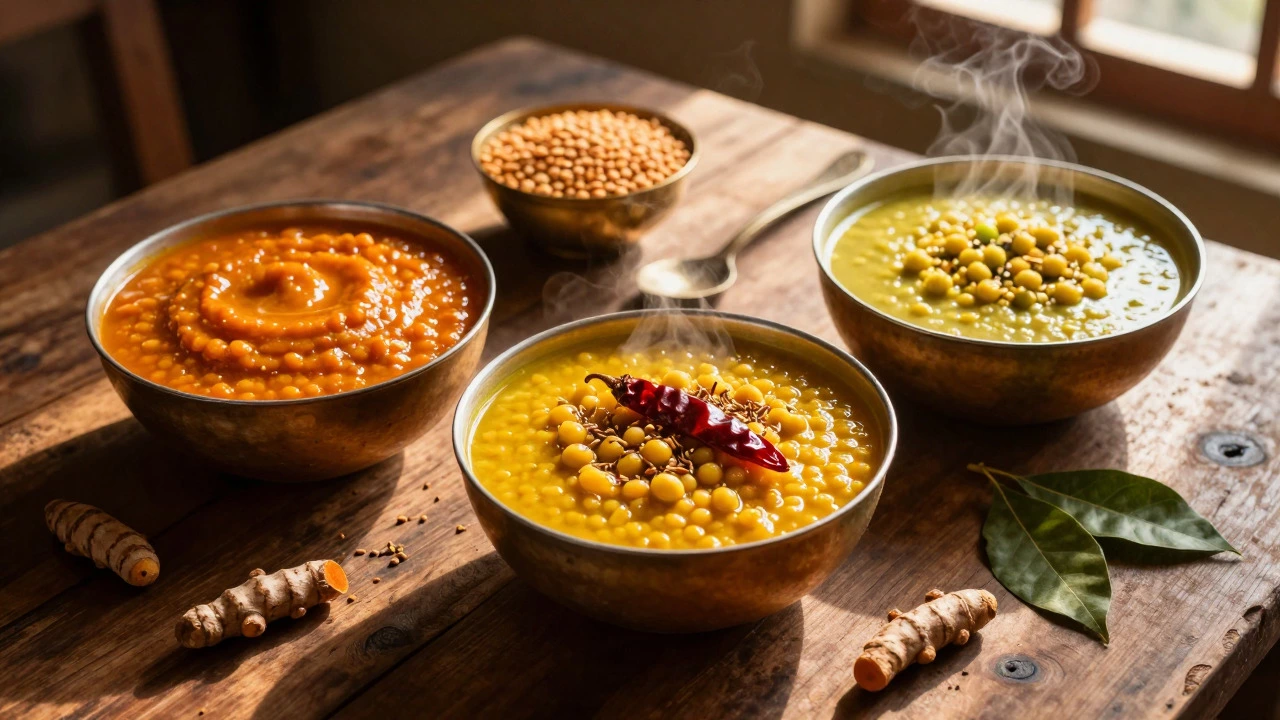
Walk into any Indian home, and the smell of simmering lentils is likely the first thing you notice. It’s not just a meal; it’s the heartbeat of the kitchen. But if you ask ten different families what their go-to dal is a broad term for lentil-based dishes that form the protein backbone of Indian vegetarian cuisine, you’ll get five different answers. The truth is, there isn’t one single "most common" dal. Instead, there are a few heavyweights that rotate based on region, season, and how much time you have.
For most households, especially in North India, Toor Dal is a dish made from split yellow pigeon peas (arhar) that serves as the daily staple wins the title. It’s affordable, cooks quickly, and absorbs spices beautifully. However, in South India, Masoor Dal is a preparation using red lentils known for its quick cooking time and mild flavor often takes the lead due to its speed. Understanding which dal is actually the most common requires looking at availability, cost, and cultural habits rather than just popularity lists.
The Heavyweight Champion: Toor Dal
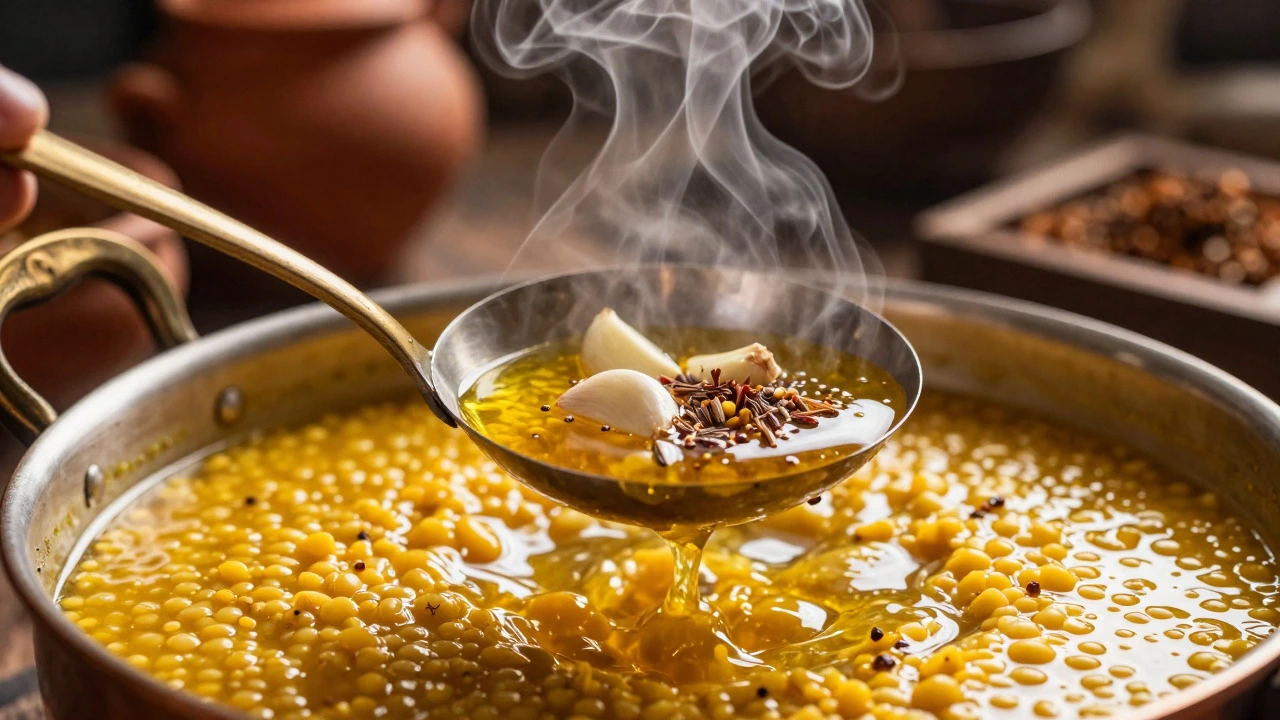
If we had to pick a single winner for the entire subcontinent, Toor Dal (also known as Arhar Dal or Chana Dal in some contexts, though technically distinct) is the closest thing to a national standard. Made from split yellow pigeon peas, this lentil is the workhorse of Indian kitchens. Why? Because it’s cheap, widely available, and forgiving. You don’t need expensive ingredients to make it taste good. A simple tempering of cumin, garlic, and dried red chilies transforms humble beans into a comforting bowl of food.
Toor Dal has a slightly earthy flavor profile. It doesn’t have the sweetness of green gram or the intensity of black lentils. This neutrality makes it perfect for everyday eating. In many middle-class homes, you will find a pot of Toor Dal simmering on low heat all day. It pairs with plain rice, chapati, or even just a slice of bread. Its simplicity is its strength. You can eat it every day without getting bored because the base flavor is so clean.
The Speed Demon: Masoor Dal
When time is short, Masoor Dal is red lentils that cook in under 15 minutes without soaking becomes the star. Unlike other lentils, Masoor doesn’t require soaking. You can throw them straight into the pressure cooker, add water, and have a ready-to-eat meal in 20 minutes. This makes it the favorite for busy professionals and students living away from home.
Masoor Dal is naturally sweet and creamy when cooked down. It breaks down easily, creating a thick, porridge-like consistency. This texture is why it’s often served with tandoori roti or naan. The softness of the dal complements the crispness of the bread. In regions like Punjab and Rajasthan, where wheat-based breads are common, Masoor Dal is frequently the default choice for dinner. It’s light on the stomach but heavy on comfort.
The Southern Favorite: Moong Dal
Cross the Vindhya Range into South India, and the landscape changes. Here, Moong Dal is split green gram lentils that are considered highly nutritious and easy to digest holds the crown. Specifically, the split version (yellow moong dal) is preferred over whole green moong dal for daily meals because it cooks faster and creates a smoother paste. In Tamil Nadu and Andhra Pradesh, Moong Dal is rarely eaten alone. It is almost always paired with rice to create a complete meal.
Moong Dal is lighter than Toor Dal. It has a delicate, nutty flavor that works well with subtle temperings. Instead of heavy onions and tomatoes, South Indian Moong Dal often uses mustard seeds, curry leaves, and asafoetida (hing). This combination creates a fragrant, aromatic broth that feels fresh rather than heavy. For those who find North Indian dals too spicy or oily, Moong Dal offers a gentler introduction to lentil-based cuisine.
Regional Variations and Preferences
It’s impossible to discuss the most common dal without acknowledging regional pride. In Bengal, Cholar Dal is a specific preparation of yellow mung bean dal seasoned with turmeric and cumin is non-negotiable. It must be yellow from turmeric, and it must be tempered with cumin. Any deviation is seen as a mistake. In Gujarat, Undhiyu might be a festive special, but for daily meals, a simple mixed lentil dal (often including urad and moong) is preferred for its balance of textures.
In the Northeast, particularly in Assam and Meghalaya, local varieties of lentils are used, but they are less standardized. They often rely on whatever is grown locally, leading to unique blends that aren’t found in supermarket aisles elsewhere. This highlights an important point: "common" is relative to your geography. What is common in Delhi might be rare in Chennai. What is standard in Mumbai might be unusual in Kolkata.
| Dal Type | Lentil Used | Soaking Required? | Cook Time (Pressure Cooker) | Primary Region | Flavor Profile |
|---|---|---|---|---|---|
| Toor Dal | Split Yellow Pigeon Peas | Yes (30 mins recommended) | 4-6 whistles | North & Central India | Earthy, neutral, robust |
| Masoor Dal | Red Lentils | No | 2-3 whistles | Punjab, Rajasthan, Nationwide | Sweet, creamy, mild |
| Moong Dal | Split Green Gram | Optional | 3-4 whistles | South India | Nutty, light, delicate |
| Urad Dal | Black Gram | Yes (Overnight) | 5-7 whistles | All India (Festive/Special) | Rich, dense, savory |
Nutritional Value and Health Benefits
Beyond taste, why do Indians eat dal so often? The answer lies in nutrition. Lentils are a superfood in the vegetarian diet. They provide high-quality plant protein, fiber, and essential minerals like iron and folate. Protein is a macronutrient essential for muscle repair and growth, which lentils provide abundantly in dal is incomplete on its own, but when combined with rice or wheat (which contain the missing amino acids), it forms a complete protein source. This synergy is why dal-rice or dal-chapati combinations are so popular.
Fiber content in dal aids digestion and helps regulate blood sugar levels. For people managing diabetes, lentils like Masoor and Moong are excellent choices because they have a lower glycemic index compared to white rice or refined flour. However, Toor Dal contains more complex carbohydrates, which provide sustained energy. If you are watching your sodium intake, remember that most commercial packaged dals come with added salt. Cooking from scratch allows you to control seasoning, making it a healthier option for long-term health.
How to Choose the Right Dal for Your Kitchen
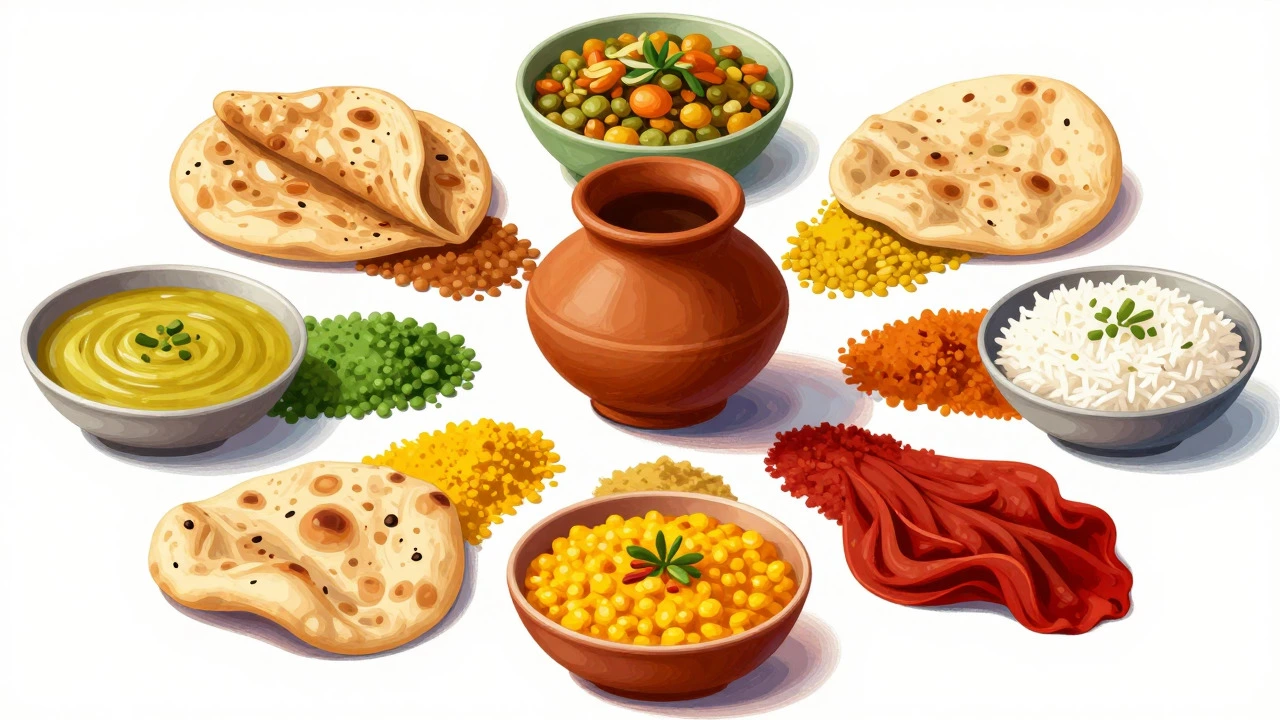
So, which one should you buy? If you are new to Indian cooking, start with Masoor Dal. It’s the easiest to prepare. No soaking, no complicated spice blending, and it tastes good even if you mess up the tempering. It’s a confidence builder. Once you feel comfortable, move to Toor Dal. It teaches you about balancing flavors and handling tougher lentils. Finally, try Moong Dal if you want something lighter and more subtle.
Consider your storage space and budget. Toor Dal is usually the cheapest per kilogram. Masoor Dal is slightly more expensive but still very affordable. Urad Dal is the priciest and requires the most effort, so it’s reserved for special occasions. If you live in a Western country, check local Asian grocery stores for quality. Supermarket brands vary wildly in freshness. Look for bright colors and no broken pieces. Fresh lentils cook better and taste cleaner.
Common Mistakes to Avoid
Even experienced cooks make mistakes with dal. One common error is adding salt too early. Salt can toughen the skins of certain lentils, preventing them from breaking down properly. Always wait until the dal is nearly cooked before salting. Another mistake is ignoring the tempering (tadka). While you can eat plain boiled lentils, the magic happens when hot oil hits whole spices. Cumin, mustard seeds, and asafoetida release aromatics that define the dish. Don’t skip this step.
Also, be careful with acidity. Adding tomatoes or lemon juice too early can prevent lentils from softening. Acidic ingredients should be added towards the end of the cooking process. If your dal turns out too thick, simply add hot water and stir. If it’s too thin, let it simmer uncovered for a few minutes to reduce. These small adjustments make a big difference in the final texture.
Frequently Asked Questions
What is the difference between Toor Dal and regular yellow dal?
Toor Dal specifically refers to split yellow pigeon peas (arhar). Regular yellow dal might refer to other types of yellow lentils, but in most Indian contexts, "yellow dal" implies Toor Dal. The terms are often used interchangeably, but Toor is the traditional name.
Do I need to soak Masoor Dal before cooking?
No, Masoor Dal does not require soaking. You can wash it and put it directly into the pot or pressure cooker. Soaking is optional but not necessary for proper cooking. This makes it the fastest dal to prepare.
Which dal is best for weight loss?
Masoor and Moong Dal are generally considered better for weight loss due to their lower calorie density and higher satiety factors. They are lighter on the stomach and easier to digest. Avoid adding excessive ghee or cream to keep the calorie count low.
Can I freeze cooked dal?
Yes, dal freezes very well. Let it cool completely before transferring to airtight containers. It can last up to three months in the freezer. When reheating, add a splash of water to loosen the texture, as dal tends to thicken upon freezing.
Why is my dal turning bitter?
Bitterness usually comes from burnt spices during tempering or using old, rancid lentils. Ensure your oil is hot enough before adding spices so they sizzle immediately. Also, store lentils in a cool, dry place to prevent them from going stale, which can cause off-flavors.