Healthy Snack Matcher
Not sure what to munch on? Select your current goal or craving below to find the perfect nutrient-dense alternative to fried chips.
Weight Loss
Looking for low calorie, high volume options.
Energy & Muscle
Need protein and long-lasting satiety.
Heart & Wellness
Focusing on low GI and essential minerals.
Quick Wins for Healthy Crunching
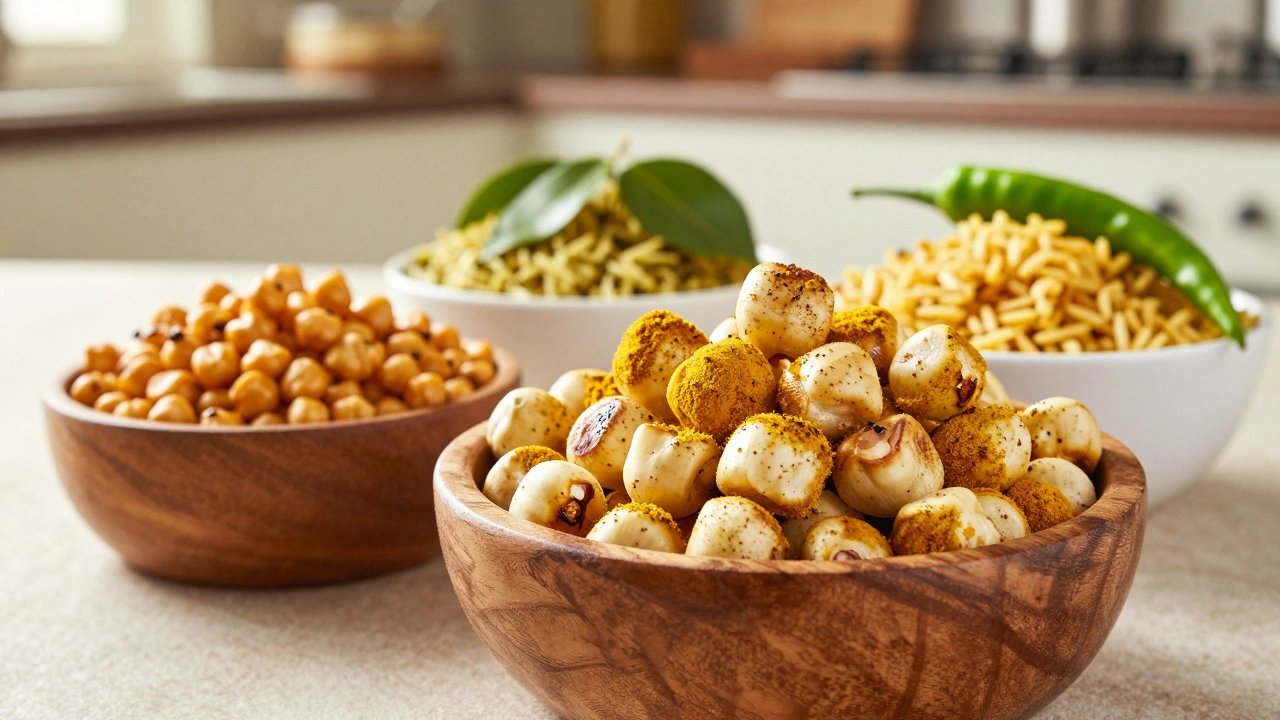
- Roasted Makhana: Low calorie, high protein, and gluten-free.
- Roasted Chana: The gold standard for plant-based protein and fiber.
- Baked Murmura: A lightweight, low-calorie option for mindless munching.
- Air-fried Vegetable Chips: A great way to sneak in vitamins from kale or sweet potato.
The Power of Roasted Makhana
If you're looking for the ultimate substitute for popcorn or potato chips, Makhana is also known as Fox Nuts or Euryale ferox, these are seeds from a water lily that are harvested from ponds . They are a nutritional powerhouse because they contain low amounts of saturated fat and are rich in minerals like magnesium and potassium. When you roast makhana, you create a light, airy crispness. The magic happens when you use a tiny bit of Ghee, which is clarified butter used in Indian cooking that has a high smoke point , to toast them. Because makhana has a low glycemic index, it doesn't spike your blood sugar the way a corn chip does. For a real-world example, try roasting them with a pinch of turmeric and black pepper. The piperine in the pepper helps your body absorb the curcumin in the turmeric, turning a simple snack into an anti-inflammatory tool.Why Roasted Chana Beats Processed Peanuts
For those who need a snack to keep them full until dinner, Roasted Chana is roasted chickpeas (Cicer arietinum) that are seasoned and dried . Unlike peanuts, which are high in omega-6 fatty acids and can sometimes cause digestive heaviness, roasted chana provides a steady stream of complex carbohydrates and protein. Think about the composition: one handful of roasted chana gives you a significant dose of dietary fiber. This fiber slows down the digestion of starch, meaning you stay full longer. If you're at your desk and feeling a dip in concentration, this is the snack to reach for. It's a slow-release fuel source. Many people make the mistake of buying pre-packaged 'salted' chana; instead, buy them raw and roast them at home with a dash of amchur (dried mango powder) for a tangy flavor without adding processed sugar.Murmura: The Low-Calorie Volume Snack
Sometimes the craving isn't about hunger, but about the act of eating. This is where Murmura, or puffed rice, created by heating rice grains under high pressure , comes in. It's incredibly low in calories, meaning you can eat a larger volume without consuming too many calories. To make it healthy, avoid the store-bought 'mixture' bags where the puffed rice is just a filler for deep-fried boondi and sev. Instead, make a quick homemade version. Toss the puffed rice with a teaspoon of oil, curry leaves, and green chilies. Adding fresh diced cucumbers and tomatoes turns this into a light salad, increasing the micronutrient density. It's a game-changer for those who struggle with 'mindless eating' while watching a movie or working.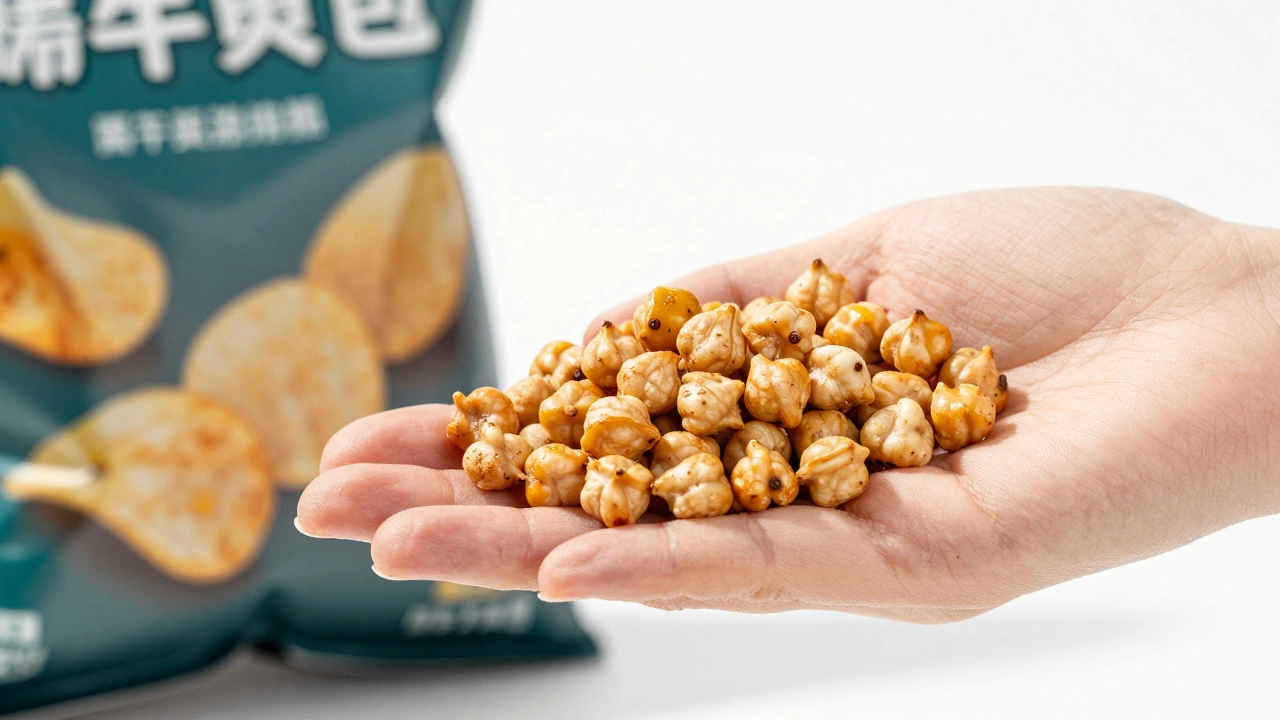
Comparing the Heavy Hitters
When deciding what to stock in your pantry, it helps to see how these options stack up against each other. Here is a breakdown based on typical servings.| Snack Entity | Primary Benefit | Texture | Calorie Density | Best For... |
|---|---|---|---|---|
| Roasted Makhana | Low GI / Magnesium | Light/Airy | Low | Weight loss & Heart health |
| Roasted Chana | High Protein / Fiber | Hard/Crunchy | Medium | Satiety & Muscle recovery |
| Puffed Rice (Murmura) | Low Calorie | Crispy/Fragile | Very Low | Volume eating |
| Air-fried Veggies | Vitamins / Antioxidants | Varies | Low to Medium | Micronutrient boost |
The Hidden Trap of 'Baked' Namkeen
You'll often see packages labeled as 'Baked Not Fried'. While this sounds like a win, you have to look at the ingredients list. Many of these products use Palm Oil, which is an edible vegetable oil that is high in saturated fats and linked to environmental deforestation , to give the snack a long shelf life. Even if it's baked, the presence of refined oils and excessive salt (sodium) can negate the health benefits. If you're buying a pre-made snack, look for the 'Total Fat' and 'Saturated Fat' lines. If the saturated fat is more than 20% of the total fat, you're likely dealing with a processed oil that doesn't belong in a 'healthy' snack. The real secret to a healthy crispy snack is simplicity: a whole food base, a healthy fat (like olive oil or ghee), and natural spices.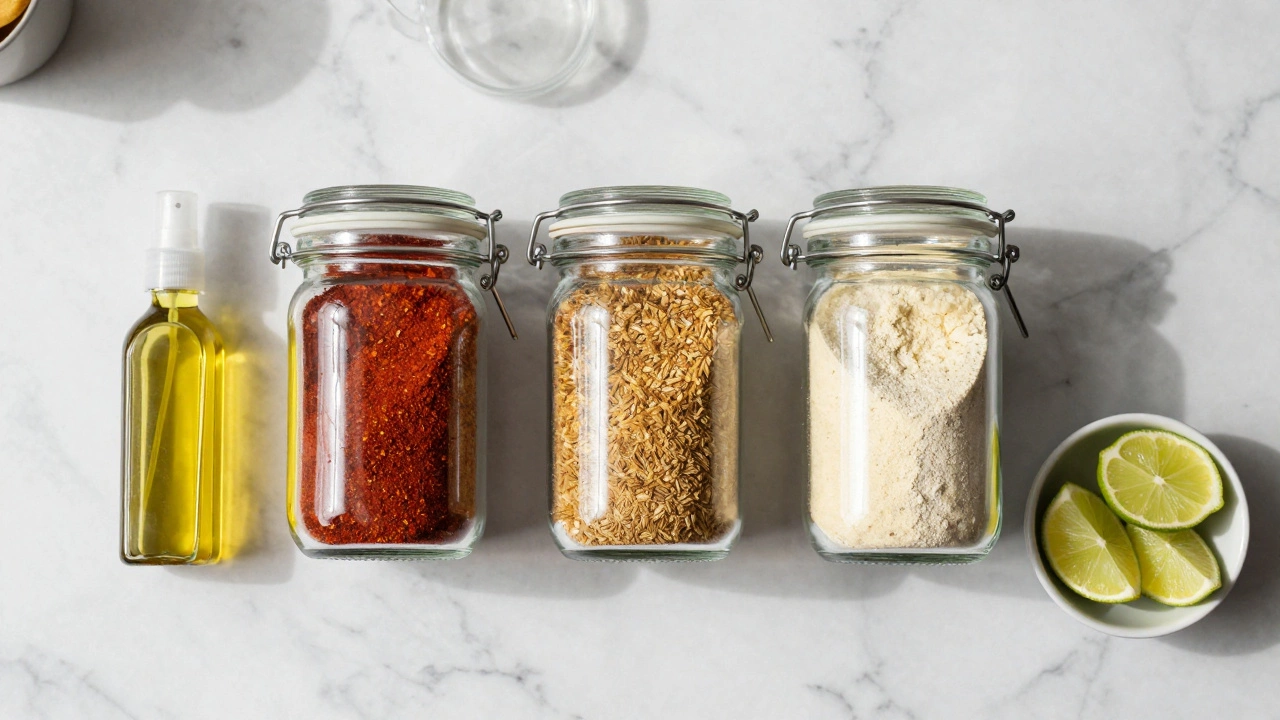
How to Build Your Own Healthy Crunch Kit
Creating a sustainable snacking habit is about accessibility. If you have to spend 30 minutes prepping a snack, you'll probably just reach for the chips. The trick is to 'batch roast' on Sundays.- The Base: Pick three bases-makhana, chana, and perhaps some sliced almonds or walnuts.
- The Fat: Use a spray bottle with olive oil or melted ghee to ensure an even, thin coating. This prevents the snacks from becoming greasy.
- The Flavor: Create three distinct profiles. A 'Spicy' mix with paprika and cayenne, a 'Salty' mix with sea salt and cumin, and a 'Tangy' mix with lemon powder and black salt.
- The Storage: Use airtight glass jars. The enemy of crispiness is humidity. If you live in a damp climate, adding a small food-grade silica gel packet to the jar can keep the snacks crunchy for weeks.
Common Pitfalls to Avoid
One major mistake people make is over-seasoning. While spices are healthy, too much salt leads to water retention and bloating. Instead of relying on salt for flavor, use acidity. A squeeze of lime or a sprinkle of amchur mimics the 'hit' of salt on the tongue without the sodium load. Another pitfall is ignoring the portion size of nuts. While almonds and walnuts are healthy, they are calorie-dense. A handful of roasted chana is significantly lower in calories than a handful of cashews. If your goal is weight management, lean toward the seeds and legumes rather than the heavy nuts.Are roasted makhana actually better than popcorn?
Yes, generally. While popcorn is a whole grain and low in calories, makhana often provides more protein and essential minerals like magnesium. Furthermore, makhana is naturally gluten-free and has a lower glycemic index, making it a better choice for people managing blood sugar levels.
Can I eat roasted chana every day?
Absolutely. Roasted chana is a great source of plant-based protein and fiber. However, if you have a history of kidney stones or specific digestive issues with legumes (like IBS), you should monitor your intake or soak the chickpeas before roasting them to reduce anti-nutrients like phytic acid.
Is air-frying healthier than oven-roasting?
Both are vastly superior to deep-frying. Air-frying uses rapid air circulation to create a crispy exterior with very little oil. Oven-roasting is similar but often takes longer. In terms of health, the difference is negligible; the key is the amount of oil you add to the food before it goes into the machine.
What is the best time to eat these snacks?
The best time is during the 'afternoon slump' (usually between 3 PM and 5 PM). Eating a protein-rich snack like roasted chana during this window helps stabilize blood sugar and prevents overeating during dinner.
Why do some 'healthy' snacks still taste like cardboard?
This usually happens when the snack lacks fat or acidity. Fat (like ghee or olive oil) carries flavor, and acid (like lemon or amchur) brightens it. If your homemade healthy snacks taste bland, try adding a tiny bit of healthy fat and a pinch of an acidic seasoning.