Whole Spices: The Heart of Indian Cooking and How to Use Them
When you think of Indian food, you might picture bold curries or fiery chilies—but the real magic starts with whole spices, intact seeds, pods, and bark used in their natural form to build deep, layered flavor before grinding or frying. Also known as whole spice blends, these are the unsung heroes behind every authentic Indian dish, from dal to biryani. Unlike ground spices that lose potency in weeks, whole spices stay fresh for years and release their oils only when heated, giving you control over intensity and aroma. This is why Indian kitchens keep jars of cumin seeds, mustard seeds, fenugreek, cardamom pods, and cinnamon sticks on hand—not as decoration, but as essential tools.
Using cumin seeds, small, oblong seeds with an earthy, nutty taste that sizzle in hot oil to unlock their aroma is the first step in most Indian recipes. Heat them in oil until they pop, and suddenly your oil smells like a village kitchen in Punjab. mustard seeds, tiny yellow or black seeds that burst open when fried, adding a sharp, pungent kick are the backbone of South Indian tempering, while cardamom pods, green capsules containing fragrant black seeds used in both savory and sweet dishes turn rice into something luxurious. These aren’t just ingredients—they’re flavor architects. Skip them, and even the best recipe falls flat. Ground cumin can’t replicate the slow, smoky bloom of whole cumin seeds frying in ghee. That’s why Indian home cooks never skip the tempering step, no matter how rushed they are.
Whole spices are also why Indian food keeps its depth over time. A curry made with freshly toasted whole spices tastes different the next day—better, even—because the oils continue to meld. Ground spices? They fade fast. You’ll find this in nearly every post here: from tandoori chicken marinades that rely on whole black peppercorns to chutneys that use whole coriander seeds for brightness. Even when a recipe calls for ground spices, many traditional cooks still toast and grind them fresh. It’s not about being old-fashioned—it’s about getting the most out of every seed. You don’t need fancy equipment. A dry pan, a mortar and pestle, and patience are all you need to start. And once you do, you’ll notice how much more alive your food tastes.
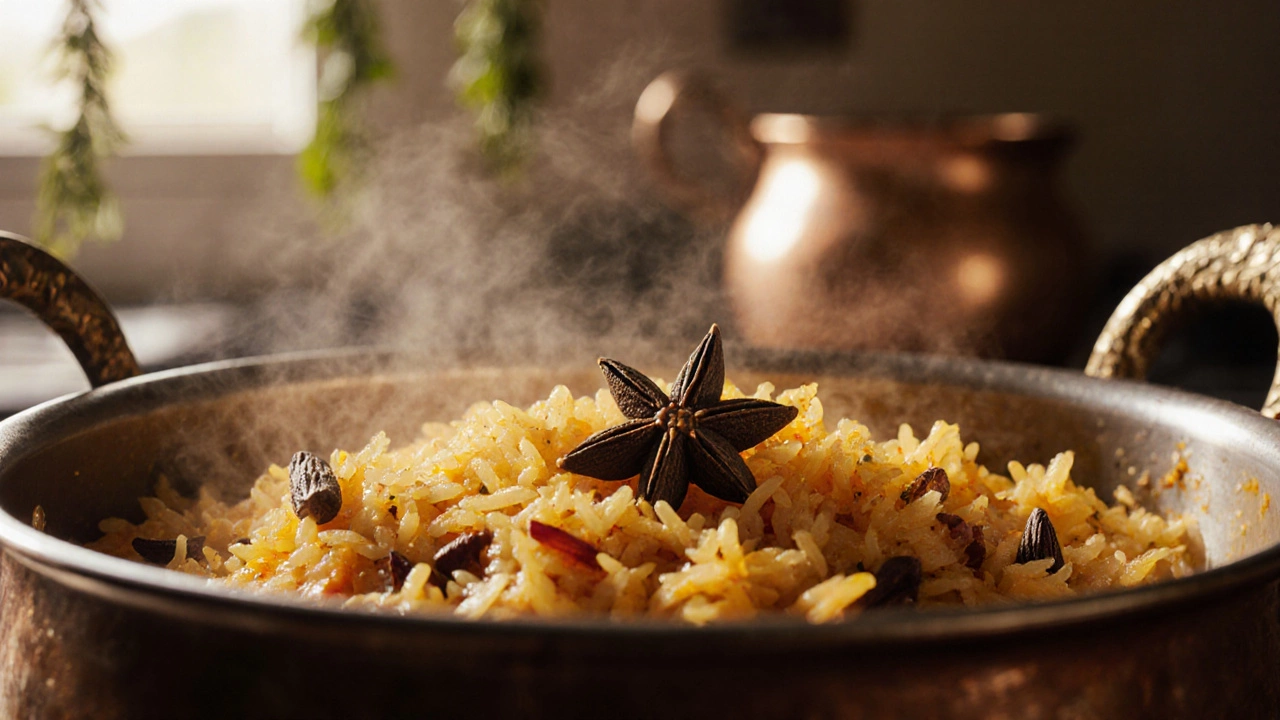
What Is the Star-Shaped Spice in Biryani?
Discover the star-shaped spice in biryani, its flavor role, how to use it, substitutes, storage tips, and common mistakes-all in one easy guide.
View More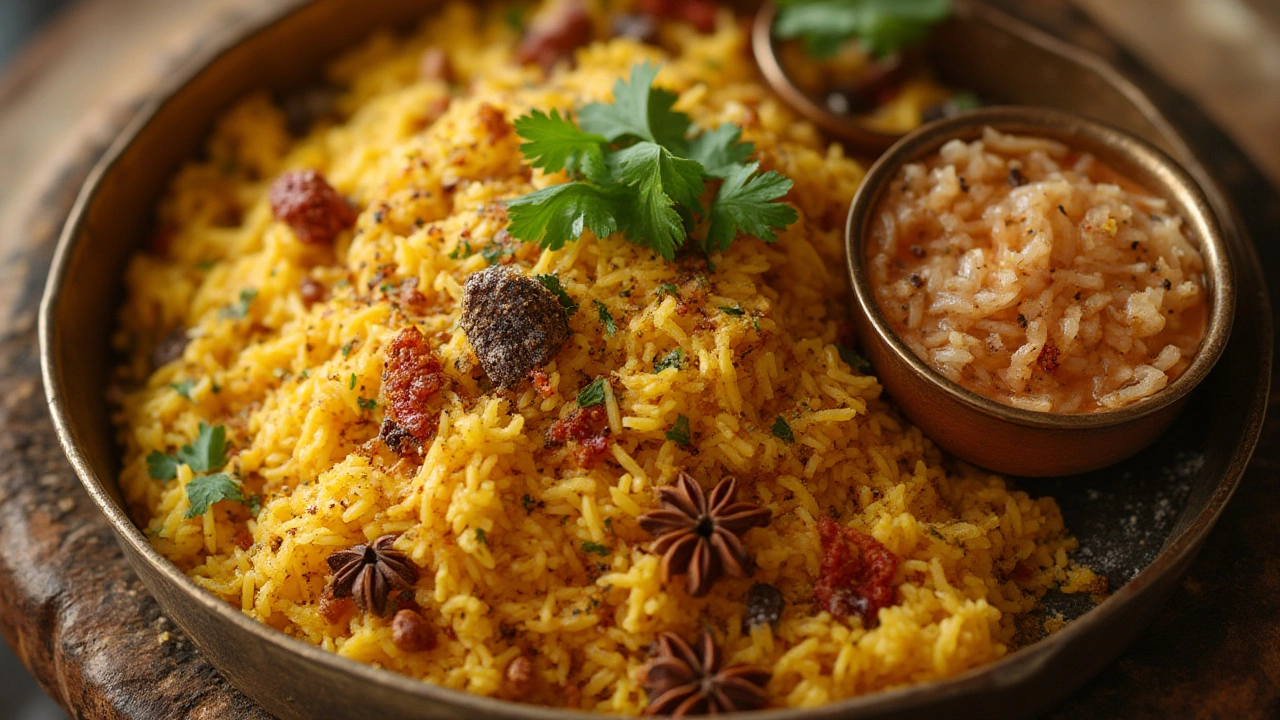
Small Black Spices in Biryani: Secrets Behind the Aromatic Little Things
Ever wondered about those tiny black things in your biryani? Discover what they are, why they're there, and if you should bite into them or not.
View More