What Is Chutney? The Essential Indian Condiment Explained
When you think of Indian food, you might picture curries or tandoori chicken, but you’re probably missing the quiet hero on the side: chutney, a bold, fresh condiment made from fruits, herbs, or vegetables, ground or blended with spices and acid to enhance every bite. Also known as chatni, it’s not just a side—it’s the flavor adjuster, the palate cleanser, the secret weapon that turns a simple meal into something unforgettable.
Chutney isn’t one thing. It’s a whole family of flavors. There’s the cool, minty mint chutney, a green paste made with fresh cilantro, mint, green chilies, and lemon, often paired with samosas or tandoori snacks. Then there’s the sweet-tart tamarind chutney, a thick, sticky blend of dates, tamarind, jaggery, and spices, used to balance spicy fried snacks like pakoras. And don’t forget coconut chutney—smooth, creamy, and slightly nutty—common in South Indian breakfasts with idli and dosa. Each one is made fresh, often in minutes, and meant to be eaten right away. Unlike ketchup or mustard, chutney isn’t shelf-stable by design. It’s alive with flavor, and it changes with the season, the region, and the cook.
Chutney works because it balances. If a dish is too spicy, chutney cools it. If it’s too bland, chutney wakes it up. If it’s heavy, chutney cuts through. That’s why you’ll find it served with everything: from crispy vada to buttery naan, from grilled paneer to plain rice. It’s the reason why Indian meals feel so complete—not because they’re complex, but because they’re balanced. And unlike sauces in Western cooking, chutney doesn’t hide behind richness. It’s bright, sharp, and honest. You taste every ingredient.
What makes chutney special isn’t just taste—it’s tradition. In homes across India, chutney is made daily, often with leftovers or garden-fresh herbs. No fancy tools needed—just a mortar and pestle, or a blender if you’re in a hurry. The recipe changes with the family, the season, even the mood. A little more garlic? A pinch of roasted cumin? That’s the beauty of it. It’s not rigid. It’s personal.
And here’s the thing: you don’t need to be an expert to use it. You don’t need to cook an entire Indian meal to enjoy chutney. Just try a spoonful with plain yogurt, spread it on toast, or dip your veggies in it. It’s that flexible. The posts below will show you exactly how to make the most common types, how to pair them right, and even how to fix a chutney that’s too sour or too thin. Whether you’re new to Indian food or you’ve been eating it for years, chutney is the one thing you’ve probably overlooked—and now, you’ll never go back.
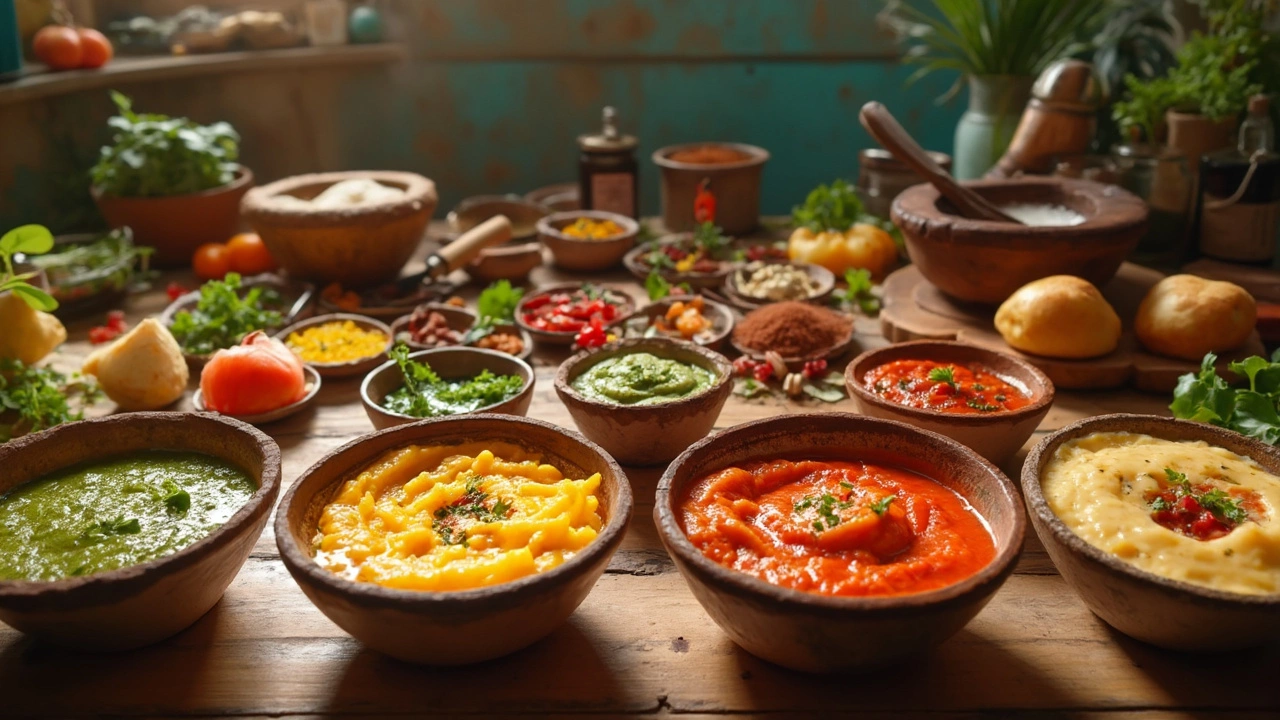
What Does Chutney Taste Like? Honest Flavors Explained
Chutney packs a punch of flavors, but what does it really taste like? This article breaks down what to expect from different chutneys, the ingredients that shape their distinct tastes, and which foods they pair best with. Find out how chutneys range from sweet to spicy and everything in between. Discover tips for choosing and using chutneys in your own recipes. Unlock the secrets to making chutney your new kitchen staple.
View More