Vegetarian Indian Recipes: Real Meals from Homes Across India
When people talk about vegetarian Indian recipes, a wide range of daily meals built around lentils, vegetables, dairy, and grains, rooted in centuries of cultural and religious practice. Also known as lacto-vegetarian cooking, it’s not just a diet—it’s the backbone of how millions eat every single day in India. This isn’t about salads or tofu stir-fries. It’s about steamed idlis soaked in coconut chutney, spicy chana masala simmered for hours, and dal tadka poured over hot roti—meals that don’t need meat to be rich, filling, and deeply satisfying.
What makes these recipes work is how they balance flavor, nutrition, and tradition. lacto-vegetarian, a dietary pattern that includes dairy but excludes eggs, meat, and fish is the standard in many Indian households, especially in the north and west. Dairy isn’t just an add-on—it’s essential. Yogurt cools spicy dishes, ghee adds depth to dals, and paneer gives texture to curries. Meanwhile, Indian lentil dishes, the protein-rich foundation of vegetarian meals, made from masoor, toor, moong, or chana lentils are cooked in dozens of ways: boiled, tempered with cumin and dried chilies, slow-simmered with tomatoes, or fried into crispy snacks. And then there’s South Indian breakfast, a category of steamed and fermented foods like idli, dosa, and upma that are eaten daily across Tamil Nadu, Karnataka, and Andhra Pradesh. These aren’t weekend treats—they’re morning rituals.
You won’t find bland food here. Even the mildest dishes have layers—cumin seeds crackling in hot oil, mustard seeds popping, curry leaves sizzling, turmeric staining everything golden. The heat comes from black pepper, not just chilies. The sweetness comes from jaggery, not sugar. And the texture? Crispy on the outside, soft inside, never mushy. These recipes have been passed down because they work—because they’re cheap, nourishing, and taste like home.
What you’ll find below isn’t a list of fancy restaurant dishes. It’s the real stuff: the breakfasts that fuel workers, the dals that warm families after long days, the snacks that get made on rainy afternoons. Whether you’re trying to eat more plant-based, curious about Indian food, or just tired of the same old meals, these recipes show you how to cook like someone who’s been doing it for generations—without needing a spice rack full of mystery powders or a tandoor in the backyard.
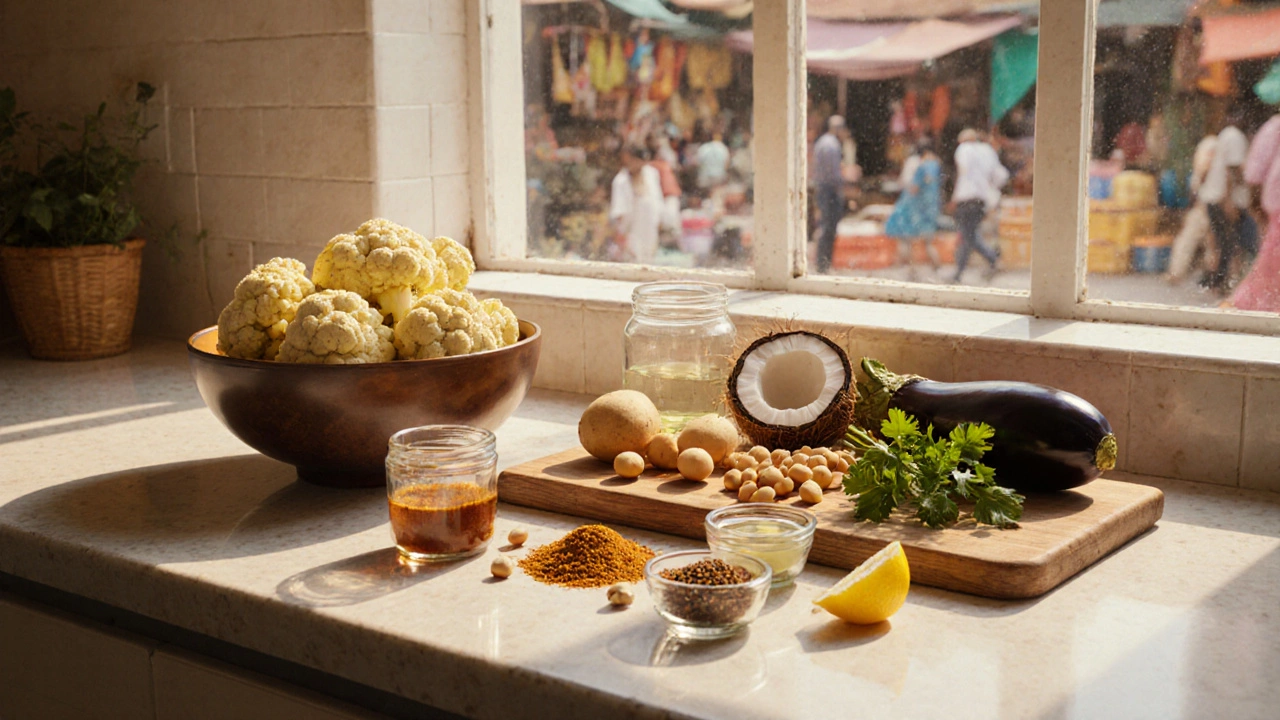
Indian Dairy‑Free Dishes: Vegetarian Recipes Without Milk, Ghee, or Paneer
Discover Indian vegetarian dishes that contain no milk, ghee, or paneer. Get a list of flavorful dairy‑free recipes, cooking tips, a comparison table, and FAQs to guide your dairy‑free Indian cooking.
View More