Vegetarian Indian Food: Real Meals, Rules, and Recipes
When people talk about vegetarian Indian food, a way of eating rooted in centuries of culture, religion, and regional habits, not just the absence of meat. Also known as lacto-vegetarian, it typically includes dairy but excludes eggs, meat, and fish—making it one of the most widespread dietary patterns in the world. This isn’t just a trend. Over 30% of Indians follow some form of vegetarianism, and many do it for reasons far deeper than health—they follow tradition, faith, or family rules passed down for generations.
But not all vegetarian Indian food is the same. There’s a big difference between someone who eats paneer and ghee every day and someone who avoids all animal products, including milk and yogurt. That’s where strict Indian vegetarian, a dietary code that excludes not just meat but also eggs and sometimes even root vegetables like onions and garlic. Also known as sattvic diet, it’s common in parts of Gujarat, Rajasthan, and among many Hindu and Jain households. Then there’s dairy-free Indian dishes, a growing category for people avoiding milk, ghee, or paneer due to allergies, lactose intolerance, or vegan choices. Also known as Indian vegan meals, these recipes use coconut milk, legumes, and plant oils to keep flavor rich without any animal-derived ingredients. You’ll find these in everything from chana masala made with water instead of cream to dosas cooked without ghee.
What ties it all together? Simple, everyday meals. Idli and dosa for breakfast. Dal tadka and chana masala for lunch. Rice with sambar and pickle for dinner. These aren’t fancy restaurant dishes—they’re what people eat daily across villages and cities. And they’re often naturally low in sugar, high in protein, and packed with spices that do more than just add heat—they aid digestion, boost immunity, and balance the body. You don’t need fancy ingredients. Just lentils, rice, vegetables, and a few core spices like cumin, turmeric, and mustard seeds.
Some people assume Indian vegetarian food means bland, boring plates. That’s not true. Even without meat, the flavors are bold, layered, and complex. A bowl of moong dal khichdi can be comforting and mild, while a plate of spicy aloo gobi can wake up your taste buds. The key is knowing what to look for—and what to avoid. Like mixing citrus with milk when making paneer (it won’t work). Or assuming all chutneys are sweet (many are tangy, spicy, or savory). Or thinking all sweets are loaded with sugar (some, like besan ladoo, get their sweetness from roasted gram flour, not refined sugar).
Below, you’ll find real recipes, clear comparisons, and practical tips—no fluff, no myths. Whether you’re trying to eat cleaner, respect cultural traditions, or just find delicious meals without meat, this collection gives you what actually works. No guesswork. Just food that’s been eaten, tested, and loved for generations.
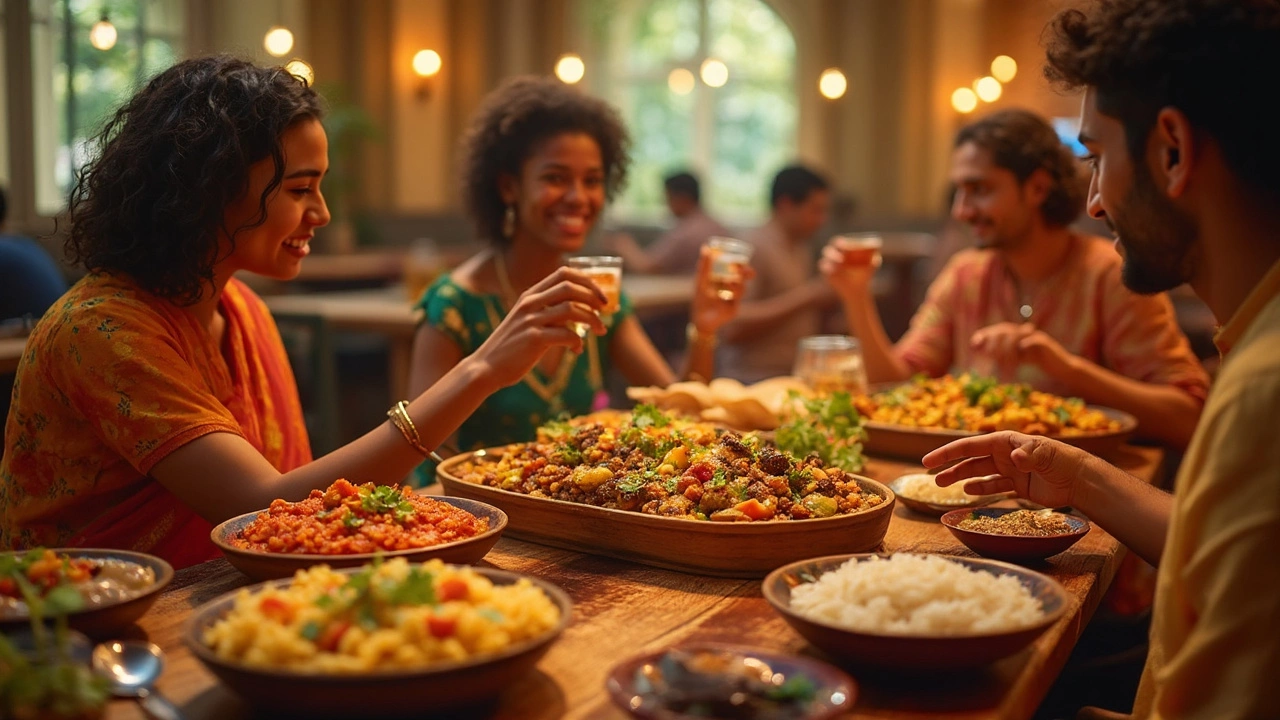
Dairy Free Indian Curry: Simple Picks for Veg Lovers
Hunting for dairy free Indian curry? You’re in luck—many Indian curries skip milk or cream. This article calls out vegetarian Indian favorites that are naturally dairy free and packed with flavor. Get practical tips on how to spot hidden dairy, swap ingredients, and order confidently at a restaurant. You’ll even pick up a few easy ways to adapt recipes at home. All written in a clear, friendly style—so you can eat confidently without stress!
View More