Traditional Indian Dessert: Sweet Treats That Define India's Culinary Soul
When you think of traditional Indian dessert, a category of culturally rooted sweets made with dairy, lentils, grains, and natural sweeteners like jaggery. Also known as mithai, it's not just dessert—it's celebration, ritual, and memory in every bite. Unlike Western cakes or ice cream, these sweets aren’t about fancy toppings or artificial flavors. They’re made with what’s local, what’s seasonal, and what’s been passed down for generations. You won’t find vanilla extract in a proper rasgulla, but you’ll find cardamom, saffron, and milk slow-cooked for hours until it turns golden.
Many of these sweets rely on kheer, a creamy rice pudding that’s been served in Indian households for over 2,000 years. Also known as payasam in the south, it’s the oldest recorded Indian sweet and still shows up at temple offerings, weddings, and Diwali tables. Then there’s gulab jamun, deep-fried milk solids soaked in sugar syrup, often made with khoya—reduced milk that’s been simmered for hours until thick and rich. And let’s not forget jaggery, unrefined cane sugar that gives many Indian sweets their deep, molasses-like flavor without the sharpness of white sugar. These aren’t just ingredients—they’re the backbone of a sweet tradition that values texture, aroma, and patience over speed.
What makes these desserts different isn’t just taste—it’s how they’re eaten. A single piece of barfi might be shared among family during a quiet evening. Kheer is served warm after a heavy meal to soothe the stomach. Gulab jamun isn’t just dessert—it’s the final gift at a wedding feast. You won’t find these sweets in fast-food chains or grocery aisles labeled "low-cal." They’re made by hand, often in small batches, and rarely eaten every day. That’s why they carry weight—not just in calories, but in meaning.
Behind every traditional Indian dessert is a story of resourcefulness. In villages, milk was preserved by turning it into khoya. Sugar was scarce, so jaggery from sugarcane or date palm became the go-to sweetener. Even today, families in Punjab, Bengal, or Tamil Nadu make their own versions—some with rosewater, others with coconut, some fried, others steamed. There’s no single recipe. But there is a shared rhythm: slow cooking, careful stirring, and the scent of cardamom filling the kitchen.
What you’ll find below isn’t just a list of recipes. It’s a collection of stories, mistakes to avoid, and truths about what makes these sweets work—like why lemon juice won’t curdle milk for paneer-based desserts, or why soaking rice for kheer matters more than you think. Whether you’re trying to recreate your grandmother’s barfi or just curious why Indians eat sweets with meals, these posts will show you how it’s really done—no sugar-coating, no fluff, just real flavor.
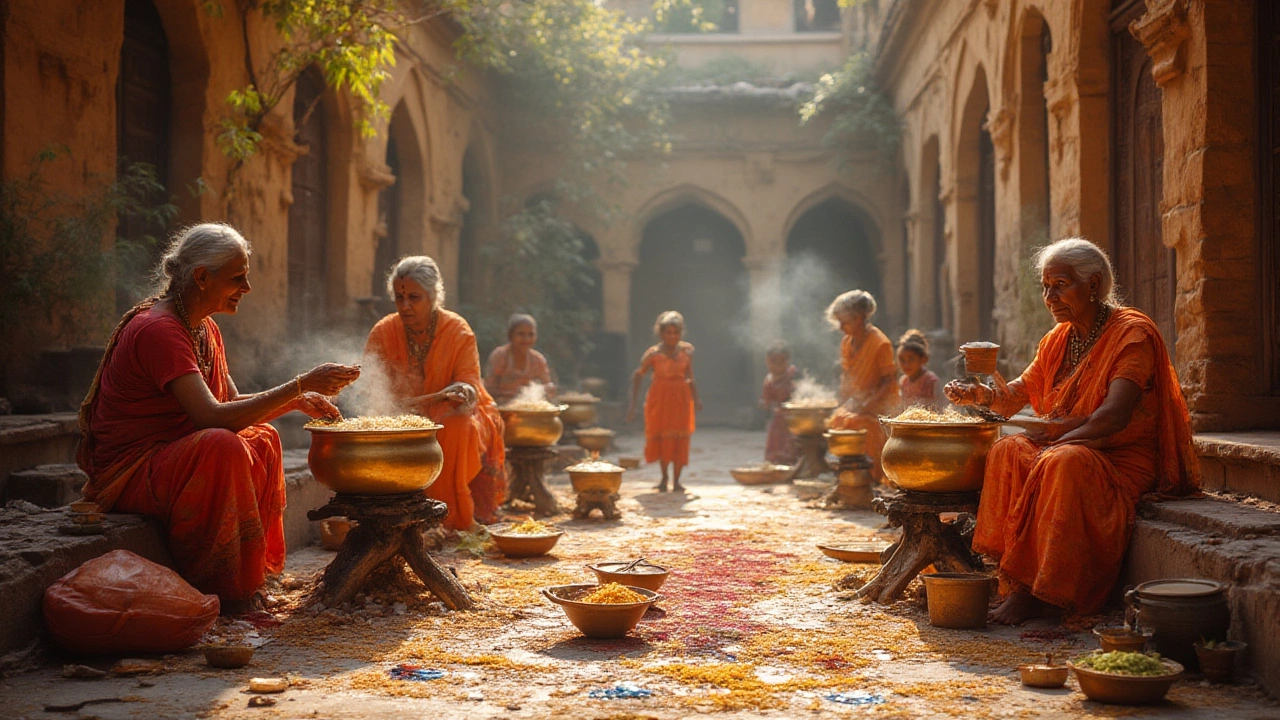
Tracing the Sweet Origins: Discovering the Oldest Indian Dessert in History
Curious about the oldest known dessert of India? Delve into the history, fascinating facts, and timeless recipes that shaped Indian sweets.
View More