Traditional Indian Breakfast: Classic Morning Dishes You Need to Try
When it comes to morning meals, traditional Indian breakfast, a diverse collection of regional dishes rooted in fermentation, steaming, and slow-cooked grains. Also known as South Indian morning meals, it’s not just food—it’s a daily ritual that varies from village to city, state to state. Unlike Western breakfasts centered on toast or cereal, India’s morning table is alive with steam, spice, and texture. You’ll find soft, fluffy idli, steamed rice and lentil cakes made from overnight fermented batter served with coconut chutney, crispy dosa, thin fermented crepes cooked on a hot griddle stuffed with spiced potatoes, or hearty upma, a savory semolina porridge cooked with vegetables and mustard seeds. These aren’t just meals—they’re the result of centuries of food wisdom, designed to be light yet filling, easy to digest, and packed with energy for the day ahead.
What makes these dishes so enduring isn’t just taste—it’s science. Fermentation boosts nutrition, making idli and dosa easier to digest and richer in B vitamins. Steaming idli keeps it low in fat, while dosa gets its crunch from minimal oil. Upma uses semolina, a slow-digesting grain that keeps you full longer. These aren’t trendy health foods—they’ve been eaten this way for generations because they work. You won’t find sugary cereals or processed toast in a typical Indian home at sunrise. Instead, you’ll see a plate of idli with sambar, a side of peanut chutney, maybe a cup of filter coffee. Even in cities, people wake up early to buy fresh dosas from street vendors or make upma in under ten minutes. The traditional Indian breakfast isn’t about luxury—it’s about rhythm, balance, and real food.
And it’s not just South India. In the north, you’ll find parathas stuffed with potatoes or paneer, eaten with yogurt and pickles. In the east, pithas made from rice flour are steamed or fried. In the west, upma and khichdi share the spotlight. But the most widespread? Idli and dosa. They’re the backbone. They travel. They’re vegan by default. They’re eaten by toddlers and grandmas alike. If you’ve never tried a hot, crisp dosa dipped in mint chutney first thing in the morning, you haven’t really tasted India. Below, you’ll find real recipes, comparisons, and fixes for common mistakes—like grainy batter or soggy idlis. No fluff. Just what works, day after day.
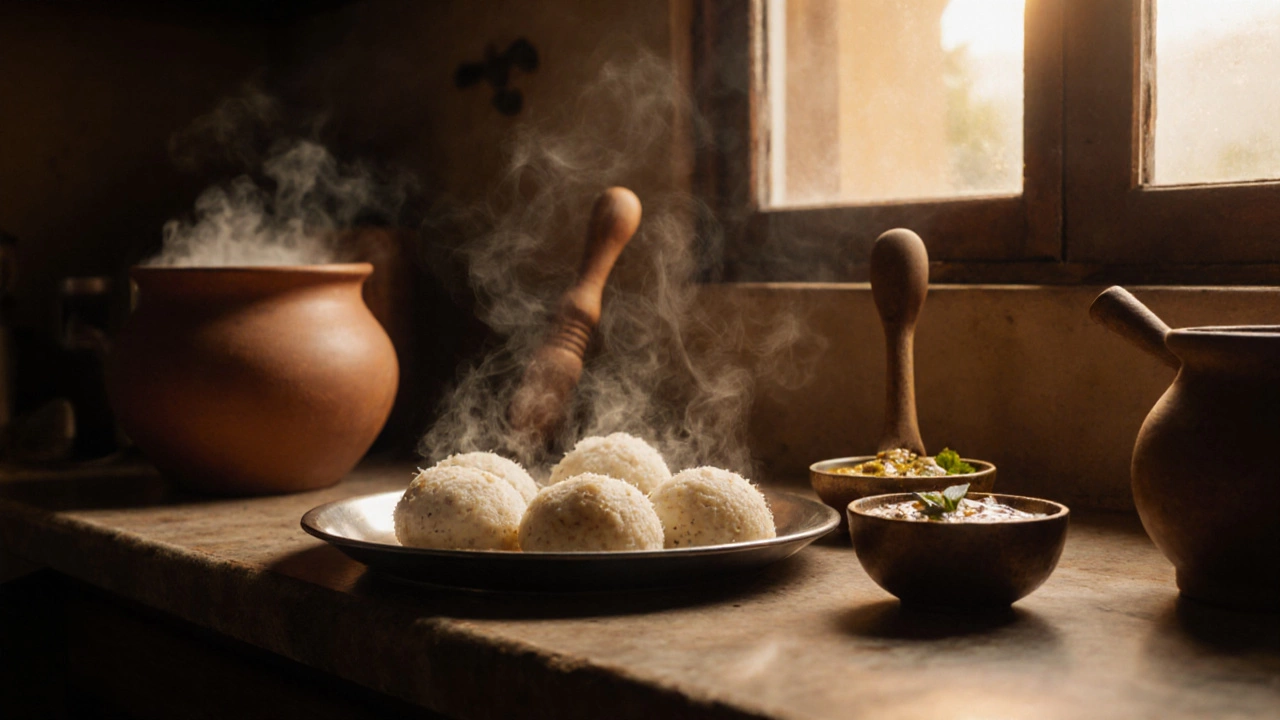
What Do Indians Eat for Breakfast? Real Morning Meals Across India
Discover the real breakfasts Indians eat every day - from idli and dosa in the south to parathas in the north and poha in the west. No sugar-coated cereal here - just hearty, spiced, regional meals that fuel the country.
View More