Tenderness in Indian Cooking: How to Achieve Perfectly Tender Meat and Vegetables
When you think of tenderness, the soft, juicy texture that makes meat or vegetables easy to chew and deeply satisfying. Also known as juiciness, it's not just a bonus—it's the foundation of iconic Indian dishes like butter chicken, kebabs, and slow-simmered dal makhani. Tenderness isn’t luck. It’s chemistry. It’s time. It’s knowing that yogurt doesn’t just add flavor—it breaks down muscle fibers. That vinegar doesn’t just sour milk—it helps form firm paneer. And that marinating chicken for 12 hours isn’t extra work—it’s what turns tough cuts into something that pulls apart with a fork.
Indian cooking has mastered tenderness without fancy tools. No sous-vide machines. No pressure cookers (at least not traditionally). Instead, it uses simple, powerful methods: long marination with acidic dairy like yogurt or buttermilk, slow cooking over low heat, and the natural tenderizing power of fermentation. Think about how idli batter, left to sit overnight, transforms from thick paste to light, airy cakes. That same principle works with meat. The lactic acid in yogurt gently unravels proteins, while spices like ginger and garlic add enzymes that do the same. Skip the yogurt? Your chicken will be dry. Rush the marination? You’ll taste the difference. And that’s why the three key ingredients in tandoori chicken—yogurt, spices, and acid—are non-negotiable. Each one plays a role in flavor, color, and yes, tenderness.
Tenderness also shows up in unexpected places. It’s in the softness of a perfectly steamed idli, the melt-in-your-mouth texture of slow-cooked lamb rogan josh, or the way a well-made paneer holds its shape but still gives slightly when you bite into it. Even vegetables get the tender treatment—think of baingan bharta, where eggplant is roasted until it collapses into a creamy, smoky purée. It’s not about being bland. It’s about balance: flavor that pops, texture that comforts. And when you get it right, you don’t need sauce to carry the dish. The food speaks for itself.
What you’ll find in these posts isn’t just recipes. It’s the why behind the how. Why sour cream can replace yogurt—if you thin it out. Why citrus doesn’t work for paneer but vinegar does. Why soaking basmati rice matters more than you think. These aren’t random tips. They’re all connected to one thing: getting the texture right. Because in Indian cooking, tenderness isn’t an afterthought. It’s the goal. And now, you’ll see exactly how it’s done—across regions, ingredients, and generations of kitchens.
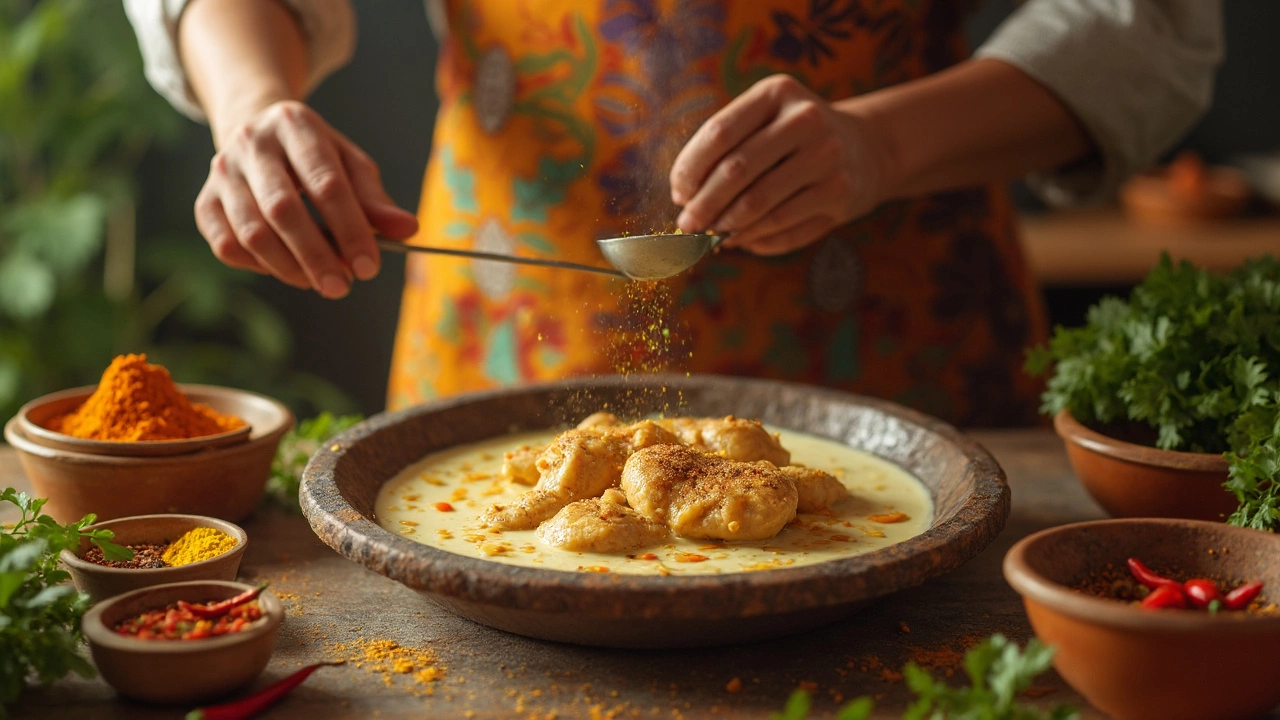
Tandoori Chicken: Why Is It So Tender?
Ever wondered why tandoori chicken melts in your mouth while regular grilled chicken sometimes turns out tough? This article breaks down the real secrets behind tandoori chicken's jaw-dropping tenderness. We’ll get into the role of yogurt, key spices, and the impact of heat from the tandoor oven. Get science-backed tips to make your own version just as tender—even if you don’t have a fancy clay oven.
View More