Tandoori Spice Mix: The Secret Behind India's Smoky, Bold Chicken
When you think of tandoori spice mix, a bold, aromatic blend of spices used to marinate meats and vegetables for cooking in a tandoor oven. Also known as tandoori masala, it’s the unsung hero behind that unmistakable smoky, tangy, and slightly sweet flavor that makes tandoori chicken so addictive. This isn’t just another spice blend—it’s the foundation of one of India’s most loved dishes, and it’s far more than chili powder and paprika.
What’s in it? Real tandoori spice mix usually includes ground cumin, coriander, garam masala, garlic powder, ginger, and a touch of fenugreek. But the magic? tandoori chicken, a dish where chicken is marinated overnight in yogurt and this spice mix before being cooked in a clay oven. The yogurt tenderizes, the spices coat, and the high heat of the tandoor caramelizes everything into that signature char. And yes—that bright orange color? It’s not food dye. It’s usually from Kashmiri red chili powder or paprika, sometimes with a pinch of turmeric. You’ll find this same mix in recipes for tandoori paneer, shrimp, or even vegetables.
It’s not just about the spice mix itself—it’s how it’s used. tandoori marinade, the combination of yogurt, lemon juice, and tandoori spice mix that penetrates the meat. You can’t rush it. Two hours won’t cut it. Most Indian home cooks let it sit overnight. That’s why you’ll see posts here talking about using sour cream instead of yogurt—it’s a shortcut, but you need to thin it out so the spices stick and the meat stays tender. And if you’re wondering why some tandoori chicken tastes bland? Chances are, they skipped the fenugreek or used old, stale spices.
What makes this blend different from regular garam masala? Garam masala is for finishing. Tandoori spice mix is for building flavor from the inside out. It’s the reason why even the simplest chicken, cooked right, tastes like it came from a Delhi street stall. And if you’ve ever tried to recreate it at home and failed? You probably used store-bought powder that’s six months old. Freshly ground makes all the difference.
You’ll also notice this mix shows up in other dishes—even when you don’t expect it. It’s in some versions of butter chicken, where it adds depth to the creamy sauce. It’s in the dry rub for grilled paneer. And yes, it’s in the marinade for the chicken that’s often labeled as the healthiest Indian food to order at a restaurant. That’s why you’ll find posts here breaking down why tandoori chicken beats fried samosas when you’re looking for something nutritious. It’s lean, it’s spiced, and it’s cooked without oil.
So if you’ve ever wondered why your homemade tandoori chicken never looks or tastes right—this is why. The spice mix isn’t optional. It’s the soul. And below, you’ll find real posts from home cooks who’ve cracked the code: how to make it from scratch, what brands actually work, how to fix a too-spicy batch, and even how to use it beyond chicken. No fluff. Just the facts that turn average meals into something worth remembering.
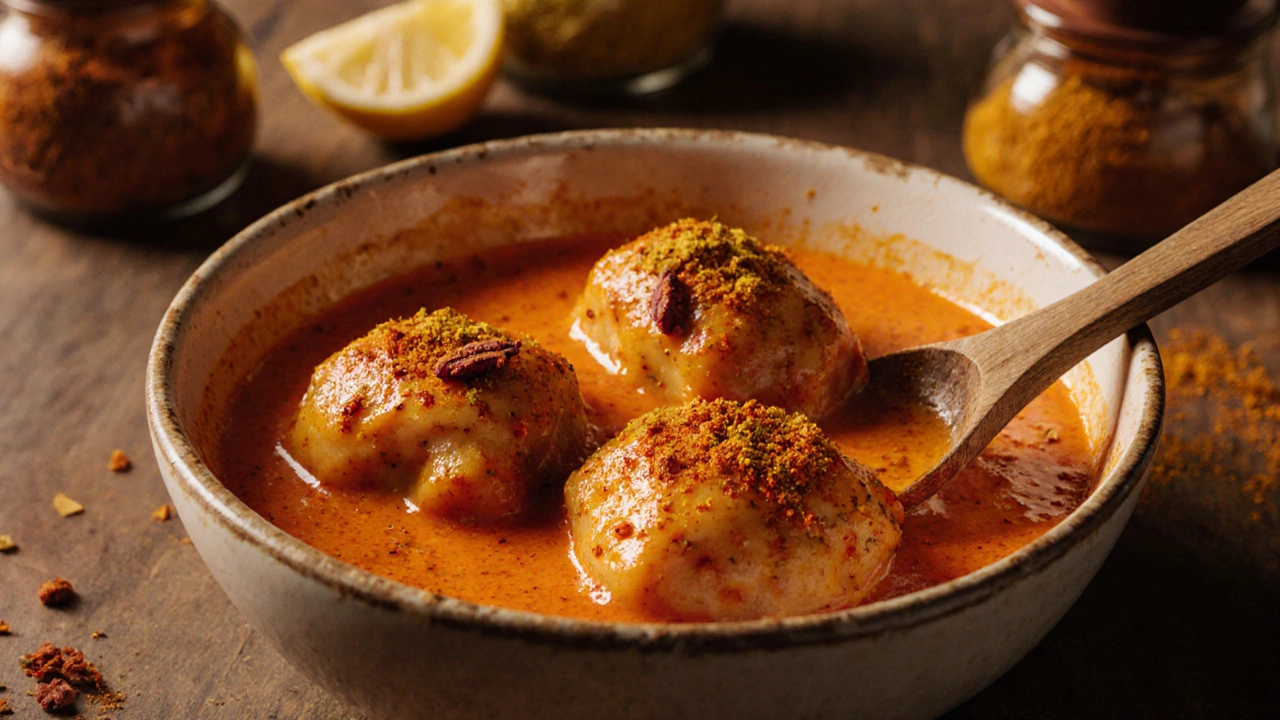
What Are the Three Main Ingredients When Marinating Tandoori Chicken?
The three main ingredients in a tandoori chicken marinade are yogurt, spices, and acid-each plays a unique role in flavor, color, and tenderness. Learn why skipping any one ruins the dish.
View More