Spoiled Paneer: What It Is, Why It Happens, and What to Do
When spoiled paneer, a type of fresh Indian cheese that turns sour, slimy, or moldy due to bacterial growth or improper storage. Also known as rancid paneer, it loses its mild taste and firm texture, becoming unsafe to eat. Many people assume paneer lasts weeks in the fridge, but that’s a myth. Unlike aged cheeses, paneer is fresh, high-moisture, and packed with proteins that bacteria love. It doesn’t need much time to go bad—sometimes less than five days.
What makes paneer spoilage, the process where fresh paneer becomes unsafe due to microbial growth, often from poor refrigeration or contamination so sneaky is that it doesn’t always smell like rotten milk. You might notice a slight sourness, a sticky surface, or tiny gray spots—signs most people ignore until it’s too late. This isn’t just about taste. Eating spoiled paneer can cause stomach cramps, nausea, or worse. It’s not worth the risk. The same goes for spoiled dairy, any milk-based product that has gone bad due to bacterial fermentation or contamination, including yogurt, buttermilk, and paneer. If your yogurt smells off, your paneer probably will too.
Why does this happen? Paneer is made by curdling milk with acid—usually vinegar or lemon juice. That process stops bacteria for a bit, but once it’s made, it’s just milk proteins sitting in water. Without preservatives, it’s a breeding ground. Storing it in water helps keep it soft, but if the water isn’t changed daily or the container isn’t clean, bacteria multiply fast. Even fridge temps won’t save it if the paneer was already contaminated when you bought or made it.
So how do you know for sure? Look for three things: smell, texture, and color. Fresh paneer smells clean, like plain milk. Spoiled paneer smells sour or like old sweat. Fresh paneer is firm and slightly springy. Spoiled paneer feels slimy or crumbly. Fresh paneer is white or off-white. Spoiled paneer might have green, gray, or fuzzy spots. If any of these show up, toss it. No exceptions.
You might wonder if you can just cut off the bad part. You can’t. Unlike hard cheese, paneer doesn’t have a dense structure. The bad stuff spreads invisibly through the whole block. Same goes for reheating—it won’t kill the toxins. Once it’s spoiled, it’s trash.
Want to avoid this? Store paneer in fresh, cold water, change the water every day, and keep it in an airtight container. Make it in small batches. If you’re not using it in three days, freeze it. Frozen paneer lasts months and works fine in curries. And if you’re buying it from a store, check the date. Don’t assume it’s fresh just because it’s in the dairy section.
The posts below cover everything you need to know about paneer—from why citrus doesn’t work well for making it, to how to tell if your batter is grainy, to what happens when you mix dairy with acidic ingredients. You’ll find real advice from people who’ve been there—spoiled paneer, failed batches, and all. No fluff. Just what works.
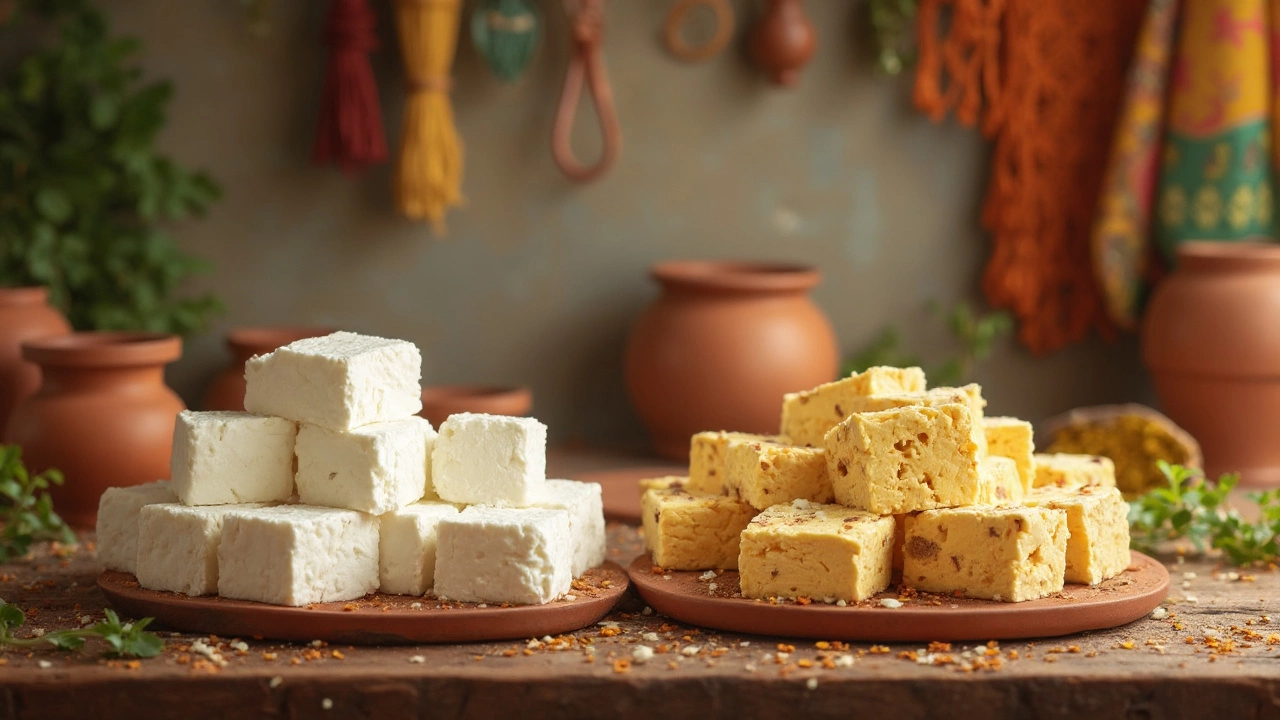
How to Know If Paneer Is Spoiled?
Paneer, the beloved cheese in many dishes, can sometimes spoil if not stored properly. Knowing how to spot spoiled paneer can save you from a culinary disaster. Look out for changes in smell, texture, and appearance, and learn safe storage practices to keep it fresh longer. This guide provides practical tips on identifying signs of spoilage and keeping your paneer in top condition.
View More