Spice Mix Alternatives: Smart Swaps for Indian Flavors
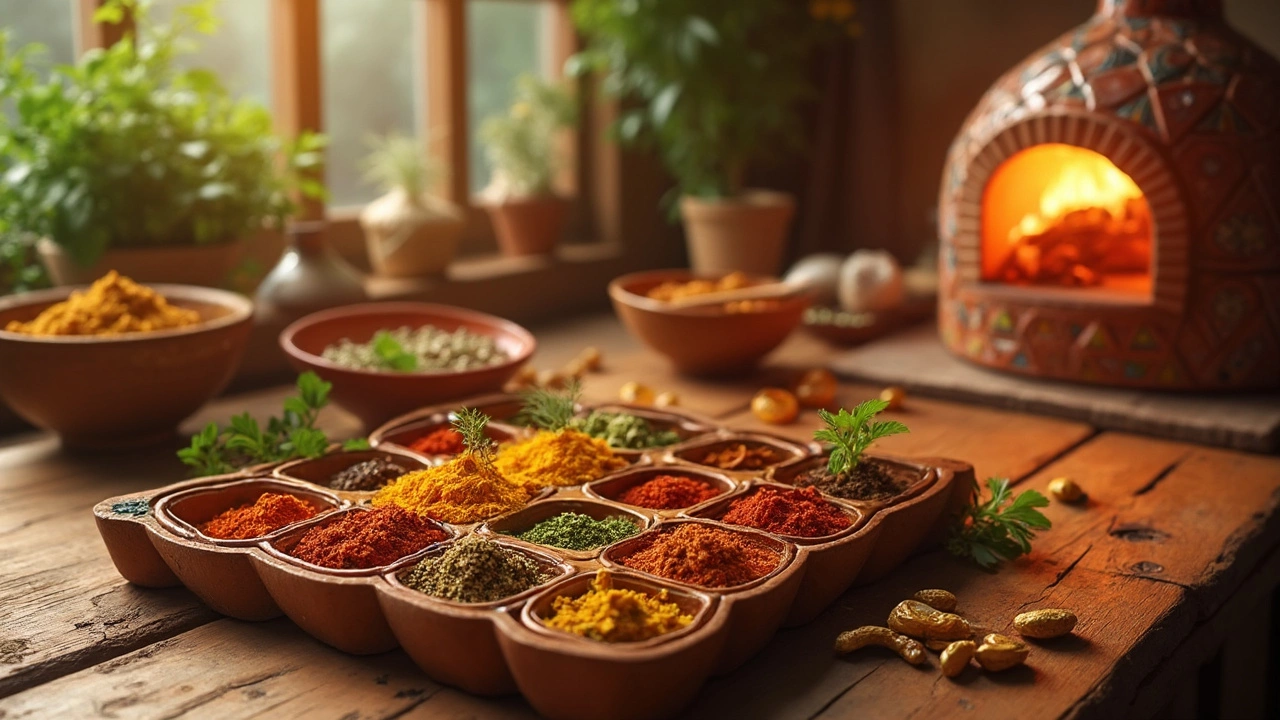
When you run out of garam masala, a warm, aromatic blend of ground spices used in Indian cooking. Also known as Indian spice mix, it's the backbone of countless curries, dals, and rice dishes.—you don’t need to panic. Many Indian households keep simple, everyday alternatives on hand. You don’t always need the exact pre-mixed powder. Often, it’s just a matter of combining what’s already in your pantry: cumin, coriander, cinnamon, cardamom, and cloves. These aren’t exotic imports—they’re staples in nearly every Indian kitchen.
Spice mix alternatives aren’t just for emergencies. They’re also about adapting to what’s available, dietary needs, or personal taste. If you’re avoiding pre-packaged blends because of additives, or if you want to control the heat level, making your own version from scratch gives you real power over flavor. For example, if a recipe calls for curry powder, a British-influenced blend often found in supermarkets, not traditionally used in most Indian homes. Also known as commercial curry spice mix, it tends to be overly standardized and sometimes too sweet or bitter.—you can skip it entirely. Instead, use a mix of turmeric, cumin, coriander, and a pinch of fenugreek. It’s closer to how real Indian cooks build flavor, layer by layer.
Some people think you need to buy every spice blend to cook Indian food well. That’s not true. Many of the most beloved dishes—like chana masala, dal tadka, or even butter chicken—rely on individual spices more than pre-mixed powders. The real magic happens when you toast whole spices like mustard seeds or cumin in hot oil before adding anything else. That’s where the depth comes from. If you’re out of a spice mix, you can often rebuild the flavor using just five core spices: cumin, coriander, turmeric, black pepper, and dried red chilies.
And here’s something most store-bought blends don’t tell you: freshness matters more than the name on the jar. A jar of garam masala sitting on your shelf for a year? It’s probably lost its punch. But if you grind your own cardamom and cinnamon right before cooking, even a simple mix of those two with a little black pepper can wake up a dish like nothing else. That’s why so many Indian cooks keep whole spices and grind them as needed. It’s not fancy—it’s practical.
What about dairy-free or low-sodium versions? You can still make flavorful alternatives. Skip the salt-heavy store blends and use roasted cumin powder, amchur (dry mango powder), or even a touch of tamarind paste to add tang. For heat, use fresh green chilies instead of chili powder. These aren’t just substitutions—they’re upgrades that bring you closer to how food is actually made in homes across India.
You’ll find real examples of these swaps in the posts below. Some show how to replace garam masala with a quick five-spice mix. Others explain why vinegar works better than lemon for paneer, or how to make tandoori chicken without store-bought spice packets. There’s even a post on low-calorie Indian snacks that use spice blends you can make in under five minutes. These aren’t theory-driven tips—they’re what people actually do in their kitchens every day.
Substitute for Tandoori Masala: Options for Your Chicken Delight
Love tandoori chicken but ran out of tandoori masala? Don't fret; you can still whip up a delicious meal with easy-to-find substitutes. Combining everyday spices from your pantry can mimic that beloved flavor. Whether you prefer a milder taste or like to turn up the heat, alternative blends offer flexibility and creativity. Exploring these alternatives not only saves the day but adds a new twist to a classic dish.
View More