Serve Indian Chutney: How to Pair, Serve, and Enjoy Authentic Chutneys
When you serve Indian chutney, a vibrant, tangy, or spicy condiment made from fresh ingredients like tamarind, coconut, mint, or coriander. Also known as chutney, it’s not just a side—it’s the flavor engine that wakes up every bite of rice, dal, or snack. Most people think chutney is just a dip, but in India, it’s a cultural staple, used like salt or pepper—always there, always needed.
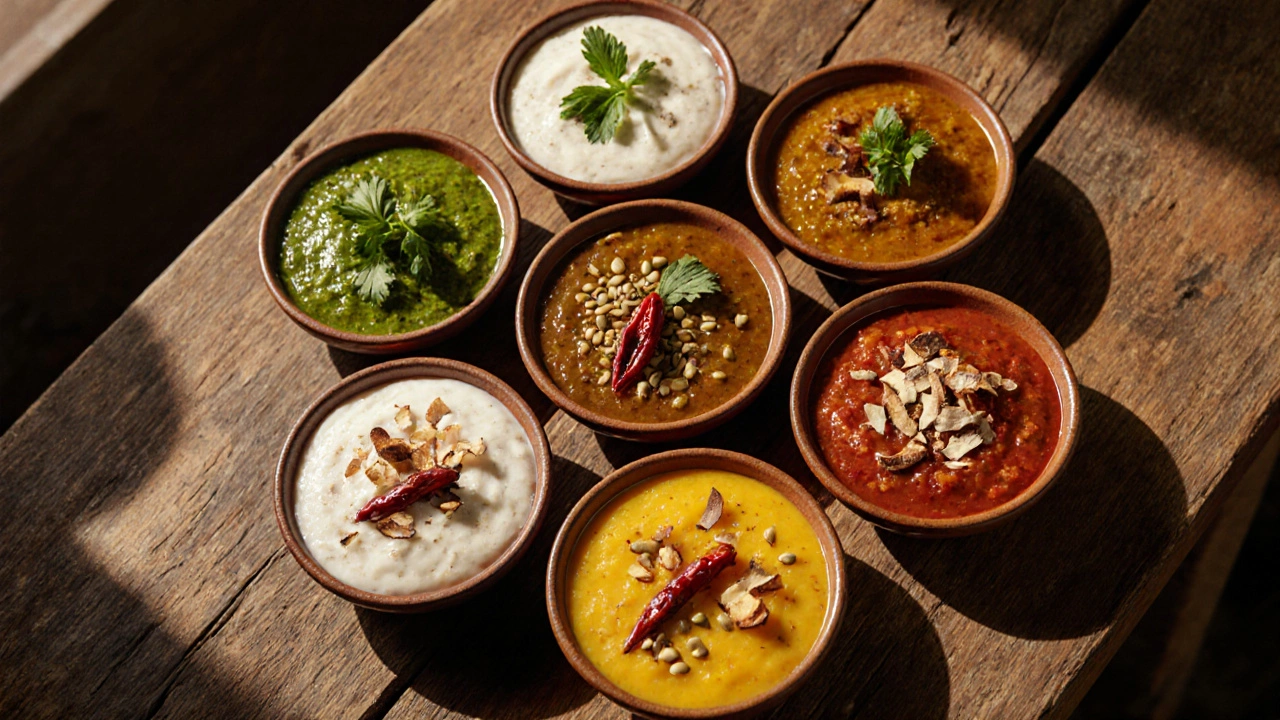
There are dozens of ways to serve Indian chutney, each region has its own signature version, from the coconut-based green chutney of South India to the sweet-tart tamarind chutney of the North. Also known as Indian condiments, they’re paired differently: mint chutney with samosas, tamarind with vada, garlic chutney with dosa, and mango chutney with paneer tikka. You don’t just spoon it on—you layer it. A crisp pakora tastes better with a dollop of cool mint chutney. A warm idli needs that tangy coconut chutney to balance its softness. Even plain rice gets a lift from a tiny smear of red chili chutney.
Chutney isn’t just about taste—it’s about texture and timing. Fresh chutneys, made with hand-ground spices and raw ingredients, last a few days. Store-bought ones? They’re often too sweet or too thick. The best ones are made in small batches, with real garlic, green chilies, and fresh herbs. You’ll find them in homes across India, not in fancy jars, but in small clay bowls or steel cups, right beside the plate. They’re not garnish—they’re essential.
When you serve Indian chutney, you’re not adding flavor—you’re completing the meal. Also known as traditional Indian chutney, it’s the secret behind why so many Indian dishes feel balanced, even when they’re simple. Think of it like ketchup in the West—but way more complex. It’s spicy, sweet, sour, and sometimes nutty. It cuts through grease, cools down heat, and wakes up dull flavors. You can serve it with breakfast, lunch, snacks, or even dessert (yes, sweet chutneys exist).
What chutneys do Indians eat daily?
Most households keep at least two: one green, one red or brown. Green is usually mint or coriander with coconut or yogurt. Red is often tamarind with jaggery and spices. Some regions use roasted lentils or peanuts. In the South, coconut chutney is a breakfast must. In the West, peanut chutney goes with dhokla. In the North, garlic chutney is served with parathas. None of these are optional. They’re not sides—they’re part of the recipe.
What you’ll find in the posts below are real, tested ways to make chutneys that actually taste like India—not the bottled kind. You’ll learn how to pair them with dosa, idli, samosa, and even grilled chicken. You’ll see which ones work best with dairy-free meals, low-sugar diets, or mild spice preferences. No fluff. Just what works, what doesn’t, and why.
How to Eat Indian Chutney: Pairing Tips & Serving Ideas
Learn how to serve, pair, store, and revitalize Indian chutney with practical tips, quick hacks, and a handy comparison table.
View More