Food Safety in India: What You Need to Know Before Eating
When you eat in India, food safety, the practice of handling, preparing, and storing food to prevent illness isn’t just a rule—it’s a daily decision. Millions eat street food, home-cooked meals, and restaurant dishes every day without issue, but knowing what to watch for makes all the difference. It’s not about avoiding Indian food—it’s about understanding how it’s made, where it’s served, and what signals to look for. street food safety, the specific practices and risks tied to eating from roadside vendors and markets is one of the most talked-about topics for travelers, and for good reason. But even at home, food hygiene India, the standards and habits that keep meals clean and safe in Indian households can vary widely depending on region, income, and tradition.
Most cases of foodborne illness in India come from water, undercooked proteins, or food left out too long—not from spices or bold flavors. You don’t need to avoid chaat or dosa. You just need to know if the oil is fresh, if the water used to wash veggies is clean, and if the tandoor is hot enough to kill bacteria. Vendors who serve food piping hot, use gloves or tongs, and keep raw and cooked items separate are your safest bets. Look for crowds—especially locals. If a stall has a line of people eating with no complaints, it’s usually a sign the food is handled well. Even in homes, many families use boiled or filtered water for cooking, store spices in dry, sealed containers, and never reuse oil more than twice. These aren’t fancy techniques—they’re simple habits passed down because they work.
Some foods are riskier by nature. Raw salads, unpeeled fruit, and ice in drinks are common culprits. But boiled milk, freshly fried pakoras, and hot dal are generally safe because heat kills most pathogens. You don’t need to become a food scientist to eat safely—you just need to use your eyes and common sense. If something looks oily, smells off, or sits uncovered in the sun, walk away. If it’s steaming, served quickly, and eaten by people who live there, you’re probably fine. The truth? Most Indians eat the same food every day without getting sick—not because it’s sterile, but because they know how to handle it. And now you can too.
Below, you’ll find real advice from people who’ve eaten their way across India—what to order, what to skip, and how to spot a safe meal even when you don’t speak the language. No myths. No fear. Just clear, practical tips that match how food is actually prepared and eaten in homes and markets across the country.
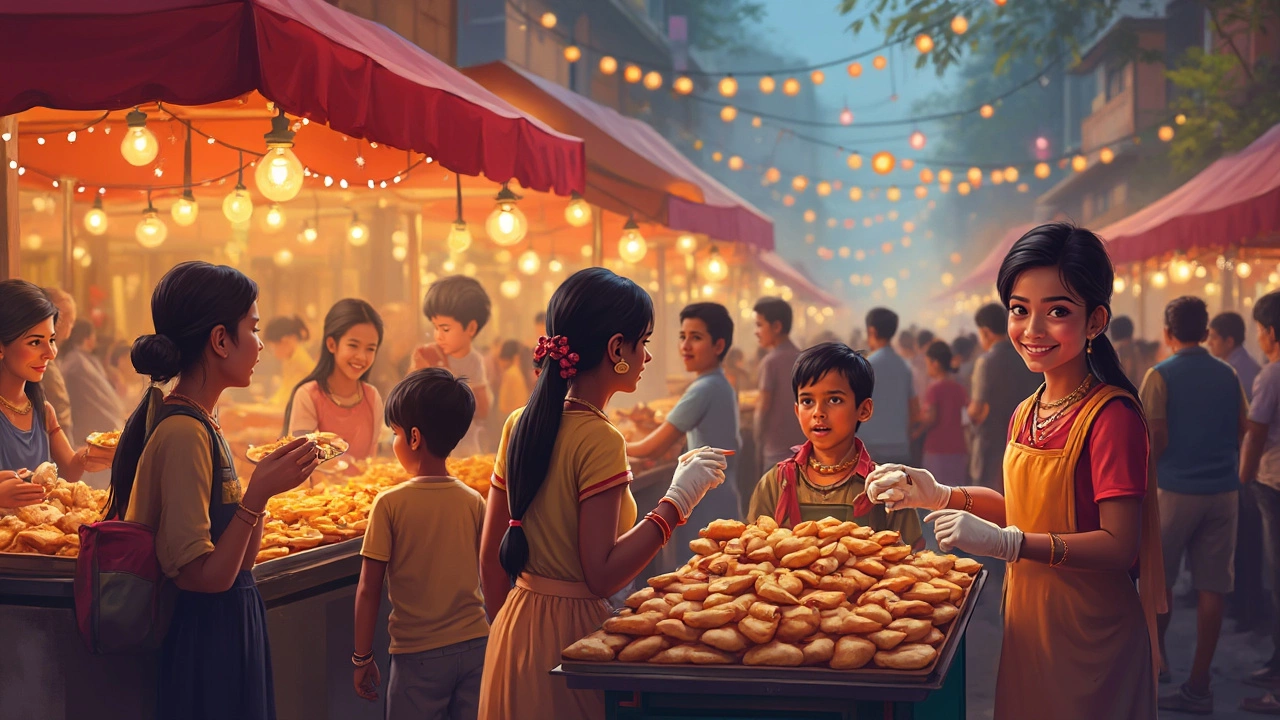
Is It Safe to Eat Street Food in India?
Eating street food in India can be a delightful adventure. While it's a popular choice, safety is often a concern. This article explores the safety of Indian street food, offering tips to help you enjoy it without worries. Learn about safe choices and hygiene tips for a delicious experience.
View More