Rinse Lentils: Why It Matters and How to Do It Right
When you rinse lentils, you’re removing dust, debris, and tiny stones that come with them straight from the field. Also known as washing lentils, this simple step makes a huge difference in how your dal tastes and how your stomach feels afterward. Most people skip it because lentils look clean—but they’re not. Indian households have been rinsing lentils for generations, not out of tradition alone, but because it works.
Think about it: lentils grow in soil, are harvested mechanically, and are often stored in sacks. Even if they look smooth, they carry grit, husk fragments, and sometimes even small pebbles. If you don’t rinse them, you’ll bite into something hard, ruin your texture, and risk a dental emergency. Plus, un-rinsed lentils can leave a muddy taste in your dal. That’s why every authentic Indian lentil recipe, from masoor dal to toor dal starts with a good rinse. It’s not just cleaning—it’s flavor prep.
And it’s not just about dirt. Lentils have a natural coating called saponin, which can make them bitter or soapy if not washed off. This is especially true for red and yellow lentils. A quick rinse under cold water, swirled gently with your fingers, removes that coating and lets the earthy, nutty flavor shine through. You don’t need a fancy colander—just a bowl and 30 seconds. Drain well, then cook. Done.
Some people wonder if soaking is the same as rinsing. It’s not. Soaking softens lentils and cuts cooking time, but rinsing cleans them. You should do both, but rinse first, then soak if your recipe calls for it. This order matters. Skipping the rinse and going straight to soaking just lets the grit sit in water, which makes your dal muddy and dull.
If you’ve ever made dal and thought, "Why does this taste off?"—chances are, you didn’t rinse the lentils. That’s the most common mistake in home kitchens, even among experienced cooks. It’s not about being fancy. It’s about getting the basics right. And in Indian cooking, the basics are everything.
When you look at the recipes below, notice how many of them mention lentils without saying "rinse." That’s because in Indian kitchens, rinsing isn’t a step you write down—it’s something you just do. Like boiling water before you add rice. Like washing your hands before you cook. It’s part of the rhythm.
What you’ll find here are real, practical guides from people who cook dal every day. Whether it’s how to get the perfect texture in moong dal, why some lentils need more rinsing than others, or how to tell if your lentils are clean enough—you’ll see it all. No fluff. No theory. Just what works in the kitchen, day after day.
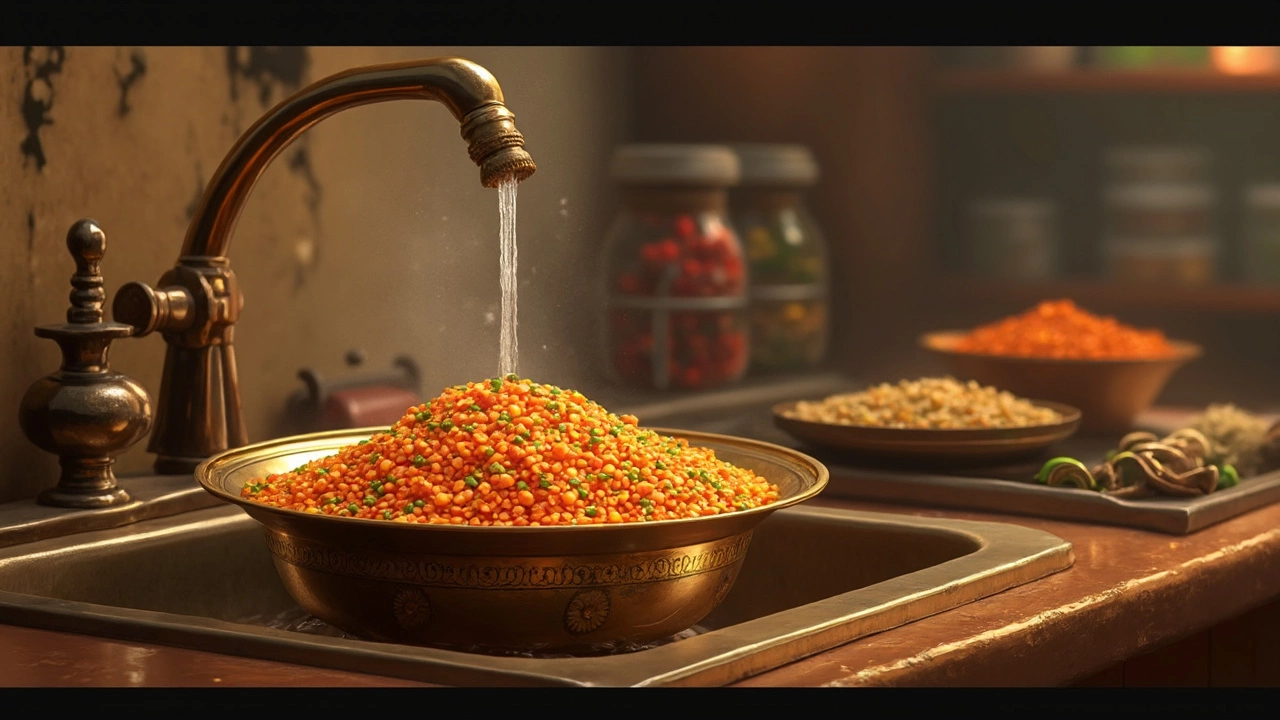
Why You Shouldn't Skip Rinsing Lentils
Rinsing lentils is essential to ensure they are clean and free from debris before cooking. Skipping this step can lead to gritty textures and unwanted dirt in your dish. Rinsing also reduces compounds that cause digestive discomfort, making your meal more enjoyable. This process is quick and makes a real difference in flavor and texture. Don't overlook this small but crucial step when making your favorite dal.
View More