Relishes: Indian Chutneys, Pickles, and Condiments That Spice Up Every Meal
When you think of relishes, bold, tangy, spicy condiments that elevate simple meals. Also known as Indian chutneys and pickles, these are not just side dishes—they’re the soul of Indian meals. A plate of idli or dosa isn’t complete without a dollop of coconut chutney. A plate of rice and dal feels empty without a spoonful of mango pickle. These aren’t optional extras—they’re the flavor anchors that tie the whole meal together.
Indian chutneys, fresh, quick-made pastes of herbs, fruits, or vegetables blended with spices are made daily in homes across the country. Mint, coriander, tamarind, and coconut chutneys are staples, each tied to a region’s taste. South India leans into coconut and green chilies, while North India favors tangy tamarind and sweet dates. Then there’s Indian pickle, slow-fermented, oil-preserved foods that last for months. Mango, lime, mixed vegetable, and even garlic pickles are packed with mustard oil, salt, and spices, turning seasonal produce into year-round flavor bombs. These aren’t store-bought sauces—they’re handmade, sun-cured, and passed down through generations.
What makes Indian relishes different? They’re not just about heat. They balance sour, sweet, salty, and spicy in ways that awaken the palate. A spoonful of red chili pickle cuts through the richness of butter chicken. A dollop of mint chutney refreshes a heavy paratha. They’re also practical—pickles preserve food without refrigeration, and chutneys use up leftover herbs or fruit before they spoil. You’ll find them paired with everything: from breakfast dosas to evening snacks like samosas, and even as a side to grilled meats or rice bowls.
There’s a reason why Indian meals never feel dull. It’s because relishes do the heavy lifting. They add complexity without extra cooking. They turn plain rice into a celebration. They’re the secret behind why so many Indian dishes feel both comforting and exciting at the same time. Whether you’re trying to make your own chutney for the first time or just want to understand why your favorite restaurant always serves that tiny jar of bright green paste, this collection has you covered.
Below, you’ll find real guides on how to serve, store, and revive chutneys, why some pickles use vinegar while others don’t, and which Indian dishes pair best with which relish. No fluff. Just practical, tested tips from kitchens across India.
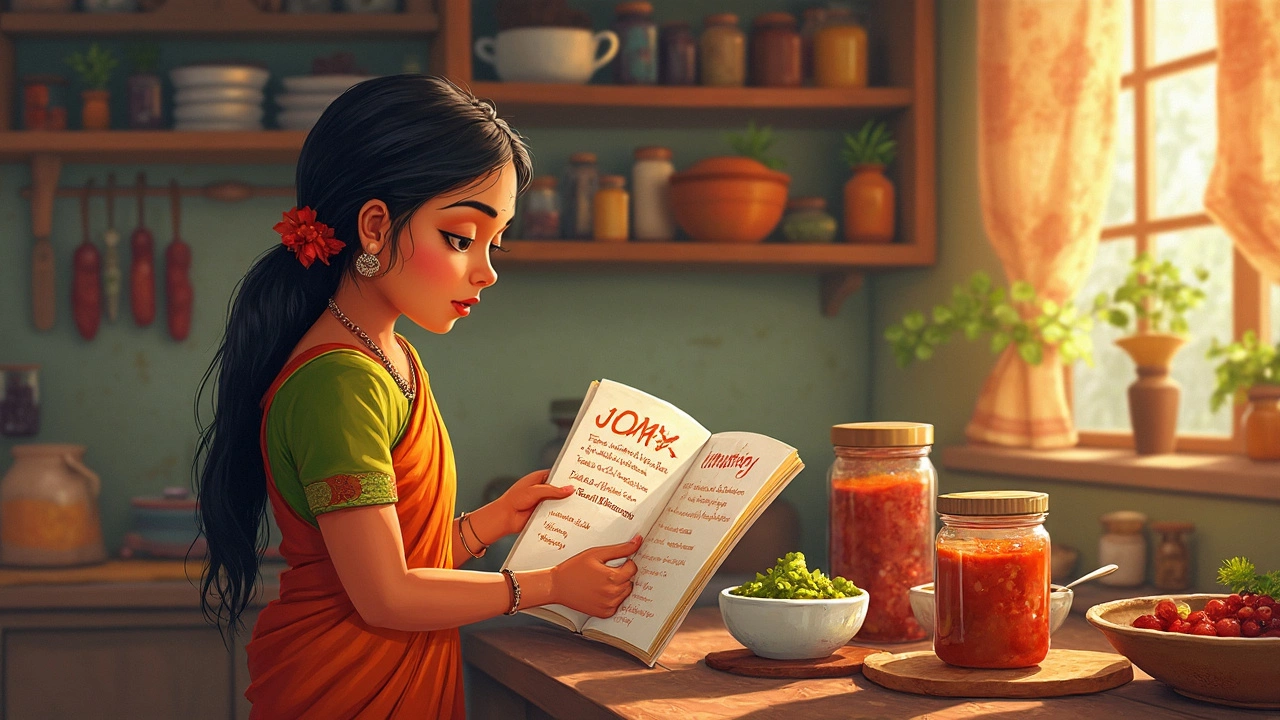
What is Chutney Called in America? Understanding the Sweet and Spicy Spread
Ever wondered what Americans call chutney or how it’s used outside India? This article explores the names and uses of chutney in the United States, breaking down how it's found in stores, on menus, and in home kitchens. Discover the differences between Indian chutney and American relishes or preserves. Learn practical tips for using and making chutney-style spreads at home. If you've been confused by words like 'relish,' 'spread,' or even 'salsa,' you'll finally get some answers.
View More