Paneer: The Classic Indian Cheese You Need to Know
When you think of Indian food, paneer, a fresh, unaged cheese made by curdling milk with acid. Also known as Indian cottage cheese, it’s the go-to protein in homes and restaurants across the country. Unlike Western cheeses, paneer doesn’t melt. That’s why it holds its shape in spicy gravies, grills perfectly on skewers, and soaks up flavors without falling apart. It’s not just a substitute for meat—it’s a standalone star.
What makes paneer different isn’t just how it’s made, but how it’s used. You’ll find it in tandoori paneer, a grilled dish marinated in yogurt and spices, in palak paneer, a creamy spinach curry, or even fried and tossed in sweet syrup for desserts. But here’s the catch: not all paneer is created equal. The quality depends on the milk, the acid you use, and how you press it. That’s why homemade paneer, made with vinegar or lemon juice is often better than store-bought—it’s firmer, cleaner tasting, and you control exactly what goes in.
There’s a myth that citrus juice like lemon or lime works best for curdling milk to make paneer. But as several recipes on this site show, vinegar gives you a more consistent, less bitter result. Citrus can leave a sour aftertaste and make the texture grainy. Vinegar? It’s reliable. And if you’ve ever wondered why your paneer turned out crumbly or too soft, it’s probably because you didn’t press it long enough—or you used low-fat milk. Whole milk, slow heat, and proper draining are the real secrets.
You’ll also notice paneer shows up in dishes that avoid dairy altogether—yes, even though it’s dairy. That’s because strict Indian vegetarians eat it, but vegans don’t. So if you’re looking for dairy-free Indian food, you’ll need to skip paneer and go for tofu or chickpea-based alternatives. But if you’re eating vegetarian, paneer is your best friend: high in protein, low in fat if made right, and endlessly versatile.
What’s in your kitchen right now? A carton of milk, a lemon, a colander, and a weight. That’s all you need to make paneer from scratch in under an hour. No fancy equipment. No waiting days. Just heat, acid, and pressure. And once you try it, you’ll never go back to the plastic-wrapped blocks at the store.
Below, you’ll find real recipes and honest tips from people who cook with paneer every day. From why it pairs so well with tomatoes and onions, to how to fix a failed batch, to what to do when you accidentally use citrus juice—every post here is about making paneer work for you, not the other way around.

Is Greek Feta Cheese the Same as Paneer? Key Differences and Surprising Facts
Ever wondered if feta cheese and paneer are interchangeable? Discover the tasty truth about their differences, uses, and why you’d never mistake one for the other.
View More
Which Milk Is Preferred for Paneer Making? The Ultimate Guide for Homemade Paneer Fans
Confused about which milk to use for making paneer at home? This article breaks down the differences between cow, buffalo, and packaged milk so you can choose the right one for the texture and taste you love. Get real tips, discover surprising results from different types of milk, and learn how to handle common milk issues. Whether you want crumbly, soft, or firm paneer, here’s everything you need to know to avoid disappointment and get delicious, fresh results every time.
View More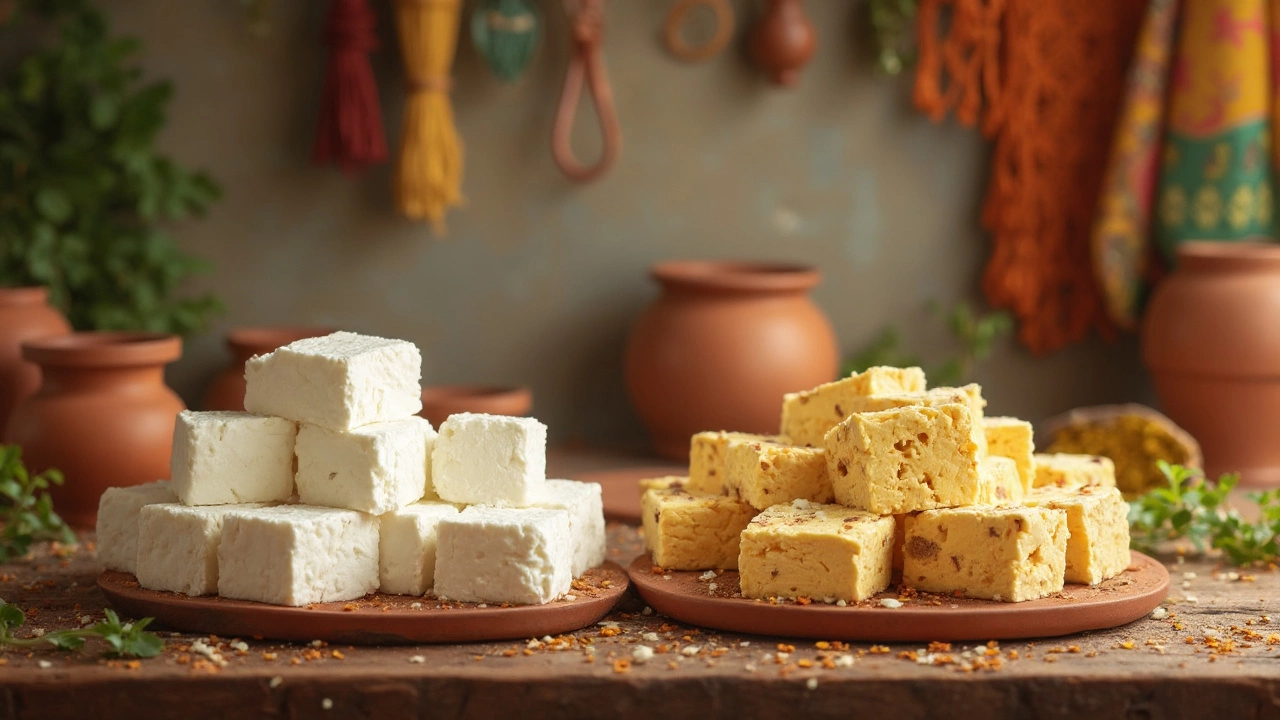
How to Know If Paneer Is Spoiled?
Paneer, the beloved cheese in many dishes, can sometimes spoil if not stored properly. Knowing how to spot spoiled paneer can save you from a culinary disaster. Look out for changes in smell, texture, and appearance, and learn safe storage practices to keep it fresh longer. This guide provides practical tips on identifying signs of spoilage and keeping your paneer in top condition.
View More