Overnight Soak: Why It Matters for Indian Rice, Lentils, and Dosa Batter
When you overnight soak, a simple, time-honored technique used across Indian kitchens to prepare rice, lentils, and batter for fermentation. Also known as long soaking, it’s not just a step—it’s the secret behind fluffy basmati, crisp dosas, and easy-to-digest dals. Skip it, and you’re not just missing out on texture—you’re fighting harder to cook, digest, and flavor your food.
The basmati rice, a long-grain aromatic rice staple in Indian meals needs an overnight soak to separate grains and reduce cooking time. Skip it, and you get mushy, clumped rice. But soak it 6–8 hours, and it cooks evenly, stays light, and smells like it came from a village kitchen. Same goes for lentils, like urad dal and chana dal, used in dosa and idli batter. Soaking them overnight softens their tough outer shell, speeds up fermentation, and makes them easier on your stomach. That’s why your idli turns airy and your dosa doesn’t crack—it’s not magic, it’s science.
And then there’s the dosa batter, the fermented mix of rice and lentils that turns into crispy, golden pancakes across South India. The overnight soak is the first of two critical steps. After soaking, you grind it, mix it, and leave it to ferment. If you skip soaking, your batter stays grainy, ferments unevenly, and won’t puff up right. You’ll end up with thick, chewy dosas instead of the crisp, lacy ones you crave. This isn’t just tradition—it’s a method proven by generations of home cooks who know that time is the best ingredient.
It’s not just about texture. Soaking reduces phytic acid, which blocks nutrient absorption. That means your body gets more iron, zinc, and protein from the same lentils or rice. It’s a quiet win for health, wrapped in a simple habit. And if you’ve ever wondered why your homemade paneer turns out grainy or your chutney doesn’t blend smooth—sometimes, the fix starts hours before you even turn on the stove.
You’ll find real examples of this in the posts below: how to fix grainy dosa batter, the exact time to soak basmati rice, why some Indian cooks swear by soaking lentils before grinding, and how fermentation ties into every step. No guesswork. No fluff. Just what works—tested in kitchens from Chennai to Chandigarh.
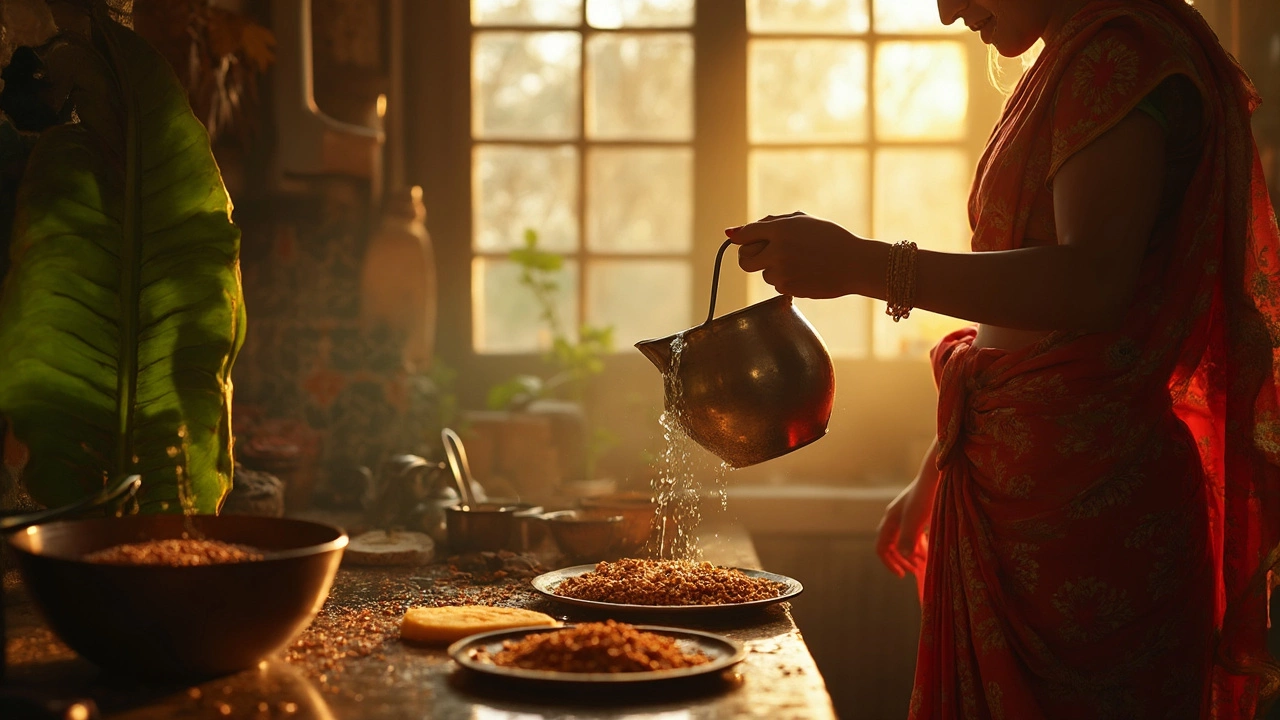
Soak Urad Dal Overnight for Dosa: Does It Really Matter?
Curious if you really need to soak urad dal overnight for perfect dosa? This article unpacks the science and tradition behind soaking, shares how long is truly ideal, and explores how shortcuts affect your dosa’s taste and texture. Get ready for practical tips that save time without ruining flavor. Plus, discover a few hacks to help you when you're in a rush. Your next dosa might just taste even better.
View More