Oldest Indian Dessert: Discover Kheer and Ancient Indian Sweets
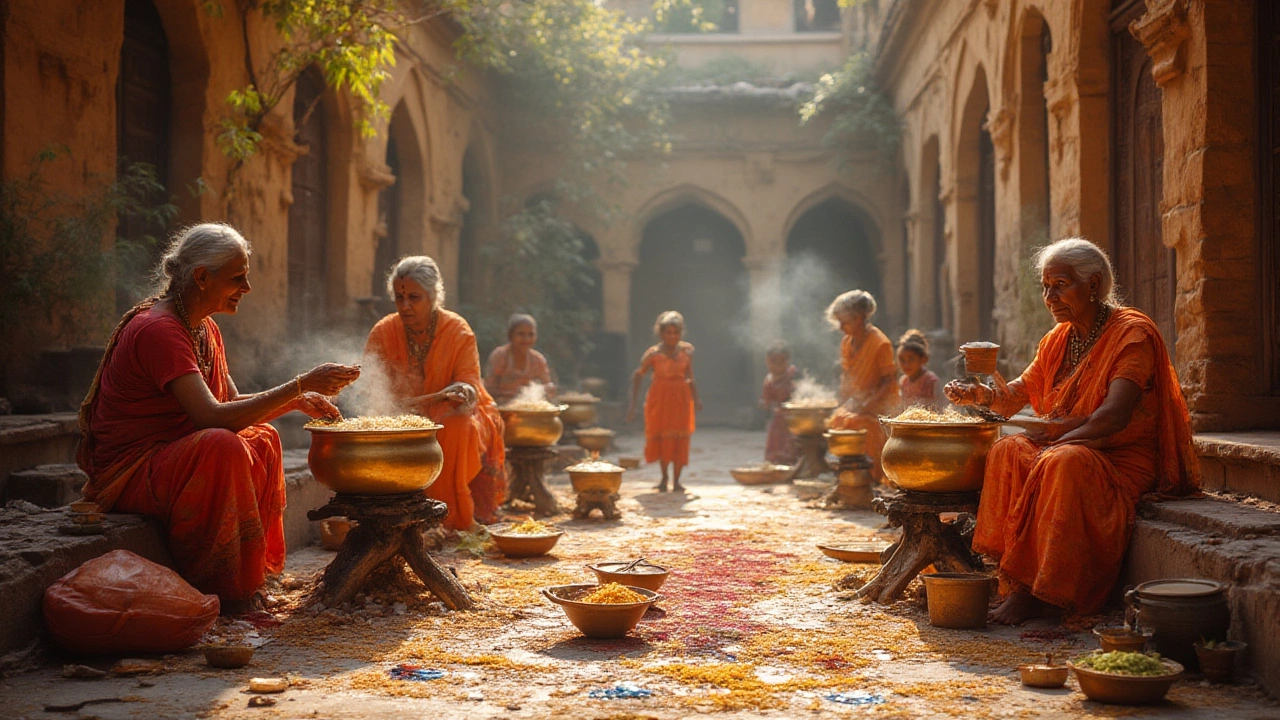
When we talk about the oldest Indian dessert, a creamy rice pudding with origins in Vedic rituals. Also known as kheer, it has been served in royal courts, temple offerings, and village homes for over 3,000 years. Unlike modern sweets that rely on refined sugar, kheer was made with jaggery, milk, and rice—ingredients that were already staples in ancient Indian kitchens.
This kheer, a slow-cooked dessert made by simmering rice in milk until thick and sweet isn’t just a treat—it’s a cultural artifact. You’ll find variations across India: in the south, they add cardamom and cashews; in the north, saffron and rosewater; in the east, it’s often made with broken rice or semolina. But the core remains the same: milk, grain, and time. It’s not just about flavor—it’s about patience. The slow simmering process was never rushed, because in ancient India, food wasn’t just eaten—it was honored.
Other ancient Indian sweets, like laddoo and halwa, also date back centuries, but none have the same unbroken lineage as kheer. Laddoo, for example, came later as a portable offering, while halwa evolved from Middle Eastern influences. Kheer, however, appears in the earliest Sanskrit texts, mentioned in Ayurvedic scriptures as a nourishing food for the body and mind. It was used in rituals, weddings, and even as medicine. The fact that it’s still made the same way today—no fancy machines, no preservatives—tells you something important: this dessert isn’t trendy. It’s timeless.
What makes kheer so enduring? It’s simple, adaptable, and deeply tied to India’s agricultural roots. Rice grew everywhere. Cows were sacred and their milk was abundant. Sugar wasn’t needed—jaggery from sugarcane was enough. Even today, you can make kheer with just five ingredients and a pot. No oven. No mixer. Just heat, stirring, and time. That’s why it survived when other sweets faded or changed beyond recognition.
Below, you’ll find posts that dig into the history, regional twists, and true recipes of India’s oldest sweet—and how it compares to other ancient desserts still made today. You’ll also learn why India, despite its love for sweets, consumes less sugar than most countries. And you’ll see how kheer fits into a broader tradition of food that’s not just delicious, but meaningful.
Tracing the Sweet Origins: Discovering the Oldest Indian Dessert in History
Curious about the oldest known dessert of India? Delve into the history, fascinating facts, and timeless recipes that shaped Indian sweets.
View More