Nutritious Diet: Real Indian Foods That Fuel Health and Energy
A nutritious diet, a way of eating that provides the body with essential nutrients for energy, repair, and long-term health. Also known as a balanced diet, it doesn’t mean giving up flavor or tradition—it means choosing the right Indian foods that actually work for your body. In India, a nutritious diet isn’t something you read about in a magazine. It’s what your grandmother made every morning: steamed idli with coconut chutney, a bowl of dal tadka with roti, or tandoori chicken with plain yogurt. These aren’t trendy superfoods—they’re everyday meals that have kept generations strong, active, and free from chronic disease.
What makes an Indian diet nutritious isn’t just what’s on the plate—it’s how it’s made. Fermented batter in idli and dosa boosts digestion. Lentils like moong and toor provide plant-based protein without the fat. Spices like turmeric and cumin aren’t just for taste—they reduce inflammation. And unlike Western diets that rely on added sugar, many Indian households use jaggery sparingly, if at all. The low sugar diet, a pattern of eating with minimal added sugars, often using natural sweeteners like jaggery in moderation. Also known as a sugar-conscious diet, it’s common across India, even in places known for sweets. That’s why India has one of the lowest sugar consumption rates in the world—not because people are on a diet, but because their food culture doesn’t rely on refined sugar to begin with.
Then there’s the protein. You don’t need meat to get strong. Dal, paneer, chickpeas, and yogurt are staples that deliver more protein per serving than most Western breakfasts. And if you’re avoiding dairy, dishes like moong dal khichdi or chana masala still pack a punch—without a single drop of milk. Even snacks like roasted chana or poha are smarter choices than chips or cookies. The high protein Indian dishes, meals rich in plant or dairy-based protein that support muscle health and keep hunger at bay. Also known as protein-rich Indian meals, they’re the backbone of daily eating for millions. This isn’t about counting calories. It’s about eating food that does something for your body—not just fills it.
And here’s the truth: the healthiest Indian meals aren’t the ones with the most spices or the fanciest presentation. They’re the simple ones—steamed, slow-cooked, fermented, or grilled. Tandoori chicken wins because it’s cooked with yogurt and spices, not fried in oil. A bowl of vegetable sambar with brown rice beats a plate of butter chicken every time if you’re looking for lasting energy. A nutritious diet in India isn’t about restriction. It’s about alignment—with tradition, with seasonality, and with what your body actually needs.
Below, you’ll find real stories from real Indian kitchens—what people eat for breakfast, how to pick the healthiest dish at a restaurant, why dosa batter turns grainy, and which sweets actually give you protein. No fluff. No gimmicks. Just the food that works, day after day.
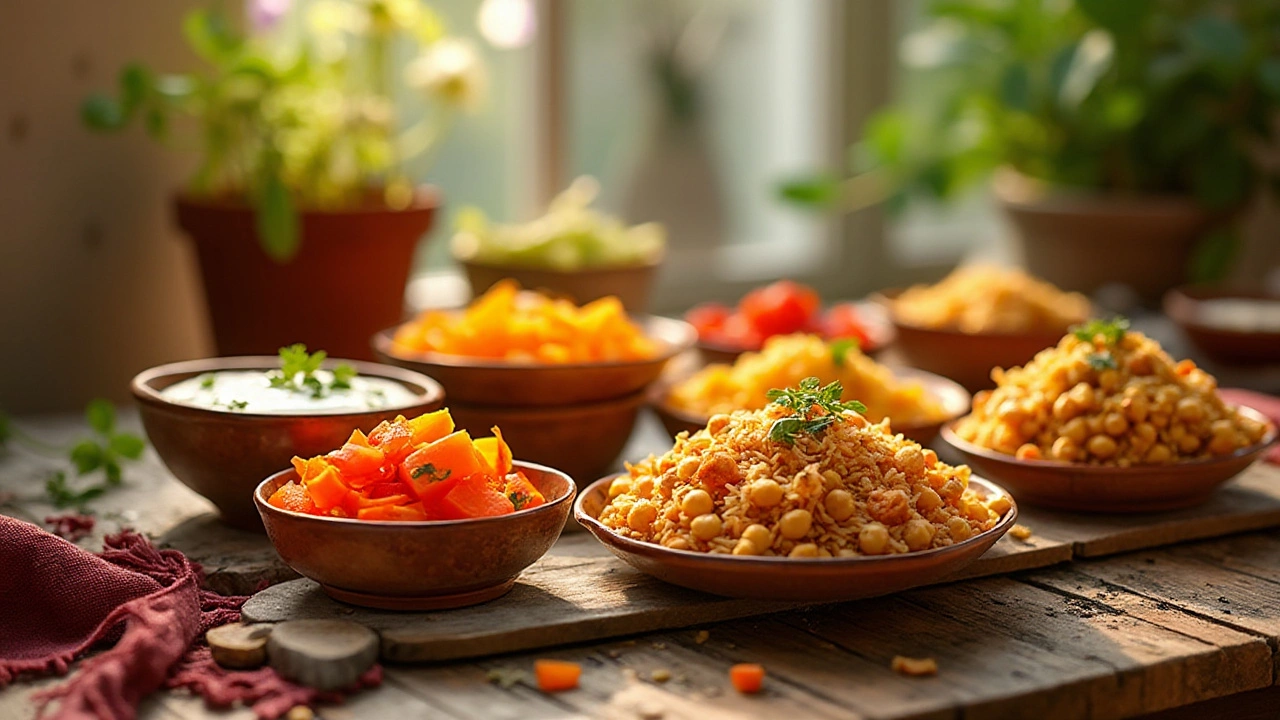
Healthy Indian Snacks to Help You Shed 20 Pounds in a Month
Discover the secrets to losing 20 pounds in a month by incorporating healthy Indian snacks into your diet. Indian cuisine offers a range of nutritious and flavorful options that can aid in weight loss while satisfying your taste buds. This article provides practical tips on choosing the right snacks and maintaining a balanced approach to shedding pounds. Explore healthy alternatives and learn how to integrate these delicious snacks into your daily routine. With dedication and portion control, achieving your weight loss goals can be both tasty and effective.
View More