Nutrient-Dense Breakfast: Healthy Indian Meals That Fuel Your Day
When you think of a nutrient-dense breakfast, a meal that delivers high levels of vitamins, minerals, protein, and fiber with minimal empty calories. Also known as power breakfast, it’s not about fancy smoothies or granola bowls—it’s about food that actually keeps you full, focused, and energized until lunch. In India, this isn’t a trend. It’s tradition. For generations, people have started their days with meals built around fermentation, whole grains, legumes, and spices—not processed sugar or refined flour. These aren’t just meals. They’re functional nutrition.
Take idli, a steamed rice and lentil cake from South India that’s naturally low in fat and rich in digestible protein thanks to overnight fermentation. Or dosa, a crisp fermented crepe made from the same batter, often served with coconut chutney and sambar—both loaded with probiotics and plant-based nutrients. These aren’t just breakfasts. They’re complete meals: carbs for energy, protein for muscle, fiber for digestion, and spices like turmeric and black pepper that boost nutrient absorption. Compare that to a bowl of sugary cereal—same calories, zero staying power.
And it’s not just the south. In the north, parathas made with whole wheat and stuffed with spinach or cauliflower give you fiber and iron. In the west, poha—flattened rice cooked with mustard seeds, curry leaves, and peanuts—delivers slow-release carbs and healthy fats. Even upma, made from semolina and vegetables, becomes a powerhouse when you add lentils or tofu. These meals don’t need supplements. They don’t need protein powder. They’re designed by nature, refined by centuries of kitchen wisdom.
What makes these dishes truly nutrient-dense isn’t just the ingredients—it’s how they’re prepared. Fermentation unlocks nutrients. Steaming preserves vitamins. Cooking with spices like cumin and ginger aids digestion. And unlike Western breakfasts, there’s almost no added sugar. Even sweets like kheer are made with minimal jaggery, not refined syrup. This is why India, despite its reputation for sweets, has one of the lowest sugar intakes in the world.
You don’t need to go to a health food store to find a nutrient-dense breakfast. You just need to look at your own kitchen. The real question isn’t whether these meals are healthy—it’s why anyone would choose anything else. The posts below show you exactly what Indians eat every morning, how to make them right, and which ones give you the most bang for your nutritional buck.
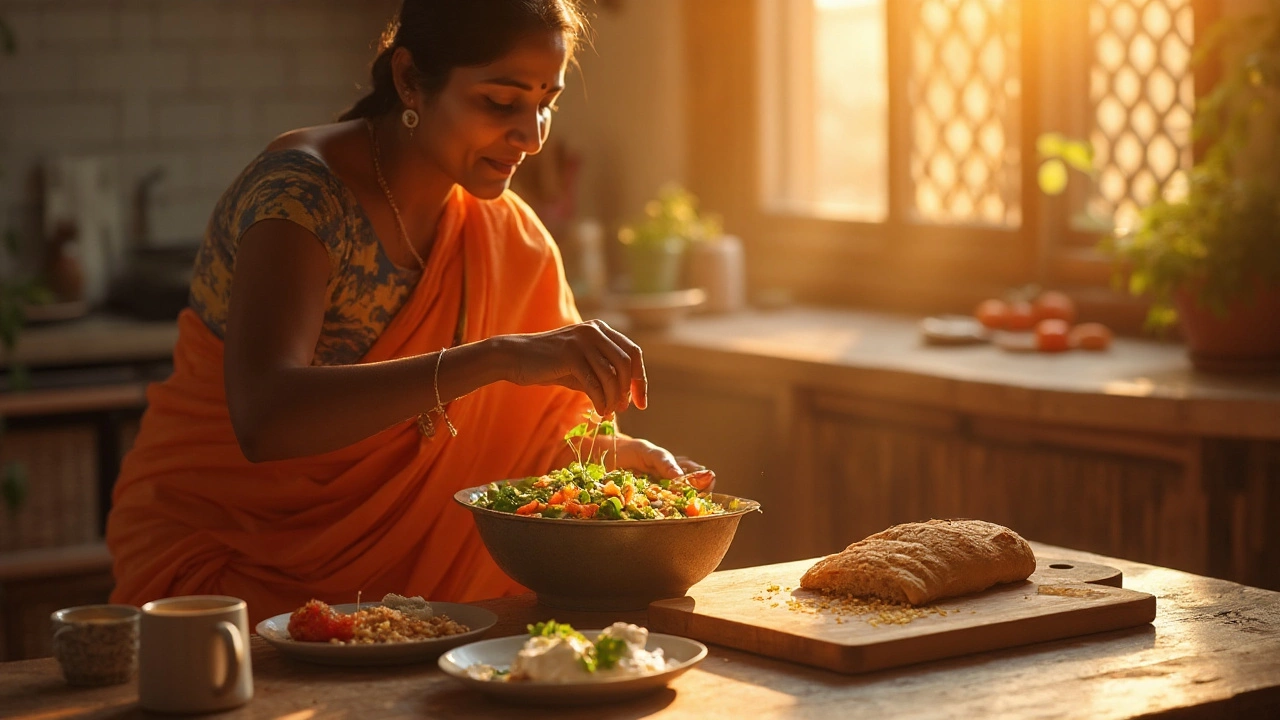
Which Country Serves the Healthiest Breakfast? A Nutrient‑Rich Comparison
Explore which nation offers the most nutrient‑dense breakfast, why it matters, and how to bring those wholesome habits into your own morning routine.
View More