National Food of India: What Really Defines India’s Culinary Identity
When people ask for the national food of India, a term often used to describe a dish that represents the country’s culinary soul. Also known as India’s signature dish, it’s not something you’ll find officially declared anywhere—because India doesn’t have one. That’s not an oversight. It’s the point. With 29 states, hundreds of dialects, and food traditions shaped by climate, religion, and history, India’s cuisine refuses to be boxed into a single plate. But if you had to pick what most Indians eat every single day, it wouldn’t be butter chicken or biryani—it’d be roti, a simple, unleavened flatbread made from whole wheat flour and water, cooked on a hot griddle. It’s the silent backbone of meals from Punjab to Odisha, eaten with dal, sabzi, or just a spoon of ghee. And while butter chicken, a creamy, mildly spiced tomato-based curry with tender chicken, originally from Delhi. Also known as murgh makhani, it’s the dish that won the world—it’s not what most families cook at home. It’s what they order when they want to celebrate.
What you’ll find across India’s kitchens isn’t one dish, but a rhythm: rice in the south, roti in the north, rice and lentils in the east, millet flatbreads in the west. The real national food isn’t a recipe—it’s the idea that food changes by the hour and the village. You’ll see it in the way idli and dosa fuel mornings in Tamil Nadu, while parathas and lassi start the day in Punjab. You’ll see it in how chana masala, a spicy chickpea curry made with dried spices and tomatoes shows up in street stalls and home lunches alike, or how dal tadka, lentils tempered with cumin, garlic, and dried red chilies appears on nearly every vegetarian table, no matter the region. These aren’t fancy dishes. They’re daily rituals. And they’re the real heartbeat of Indian eating.
What’s missing from the global image of Indian food? The sugar-free mornings, the dairy-free meals, the low-calorie snacks, the mild dishes for kids and elders. India doesn’t just serve spice—it serves balance. You’ll find that balance in the steamed idli versus the fried dosa, in the tandoori chicken that’s orange from paprika, not food coloring, and in the fact that the country eats less sugar than almost any other nation on earth—even though it makes sweets. The posts below aren’t about picking a winner. They’re about showing you the full table: what Indians actually eat, why they eat it that way, and how you can bring that truth into your own kitchen.
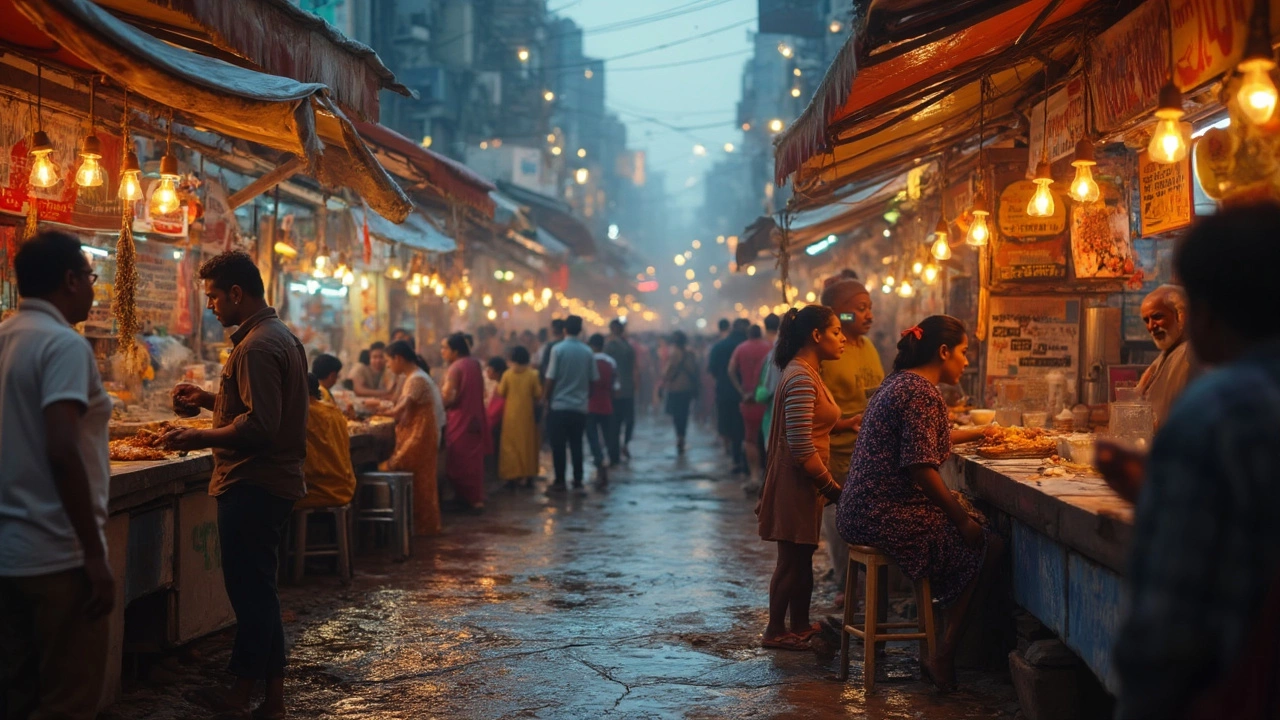
National Food of India: The Real Story Behind India's Street Food Crown
Trying to pick one national food for India is almost impossible—this country is too big, too diverse, and obsessed with food from every corner. But one dish keeps popping up on every street and table: khichdi. Dive into India's street food scene, the history behind famous dishes, and why khichdi is seen as the unofficial national dish. From spicy chaat to buttery pav bhaji, find tips on must-try foods and where to eat them. Get hungry for the truth about India's endless food story.
View More