Milk for Paneer: Best Types, Tips, and What Works Best
When you’re making milk for paneer, the base ingredient that determines texture, yield, and flavor of homemade paneer. Also known as curdled milk, it’s not just any milk—you need the right kind to get that firm, sliceable cheese every time. Store-bought paneer often falls apart or tastes bland because it’s made from low-fat or ultra-pasteurized milk. But if you use the right milk, you’ll get a rich, crumbly, buttery paneer that holds up in curries, grills, and snacks.
The key is full fat milk, milk with at least 3.5% fat that lets proteins bind properly during curdling. Skim milk? It won’t coagulate well—you’ll end up with watery scraps. Pasteurized milk is fine, but avoid ultra-pasteurized or UHT milk. Those get heated too high, and the proteins get damaged. They won’t clump up when you add acid, no matter how much lemon juice or vinegar you use. Freshness matters too. Milk older than two days? Skip it. The natural acidity has already started changing, and your paneer will be uneven or too soft.
You might wonder why vinegar, a common acid used to separate milk into curds and whey for paneer works better than lemon juice. It’s not about taste—it’s about control. Lemon juice can make paneer taste sour and gives you inconsistent curds. Vinegar, especially white distilled, gives you clean separation and a neutral flavor. You can also use buttermilk or yogurt, but those are trickier for beginners. Stick with vinegar or citric acid powder if you want reliable results every time.
Heat is just as important as the milk itself. Warm the milk slowly to just below boiling—around 85°C. If you boil it too fast, the proteins break down unevenly. Stir gently, then turn off the heat. Add your acid slowly, a tablespoon at a time, and let it sit for five minutes. You’ll see the curds separate cleanly from the yellowish whey. That’s your signal. Drain it in a cheesecloth, press it lightly with a heavy pot, and you’ve got perfect paneer.
Some people think whole milk from cows is the only option, but buffalo milk works even better—it’s thicker, richer, and gives you more paneer per liter. If you’ve ever had paneer in a North Indian restaurant and wondered why it’s so dense and creamy, that’s likely buffalo milk. It’s not common everywhere, but if you find it, use it. Goat milk? Too tangy. Plant-based milks? They won’t curdle the same way. Stick with real dairy.
This isn’t just about making cheese. It’s about understanding what makes Indian cooking work. The same rules apply to yogurt in marinades, ghee in tempering, and even the way you soak basmati rice. Every ingredient has a role, and skipping the right one ruins the whole thing. That’s why posts like Why Can’t You Mix Citrus and Dairy When Making Paneer? and Indian Dairy-Free Dishes exist—to show you what works, what doesn’t, and why.
Below, you’ll find real recipes, fixes for failed batches, and tips from home cooks who’ve made hundreds of batches. Whether you’re trying paneer for the first time or you’ve been making it for years, there’s something here to help you get it right—every single time.
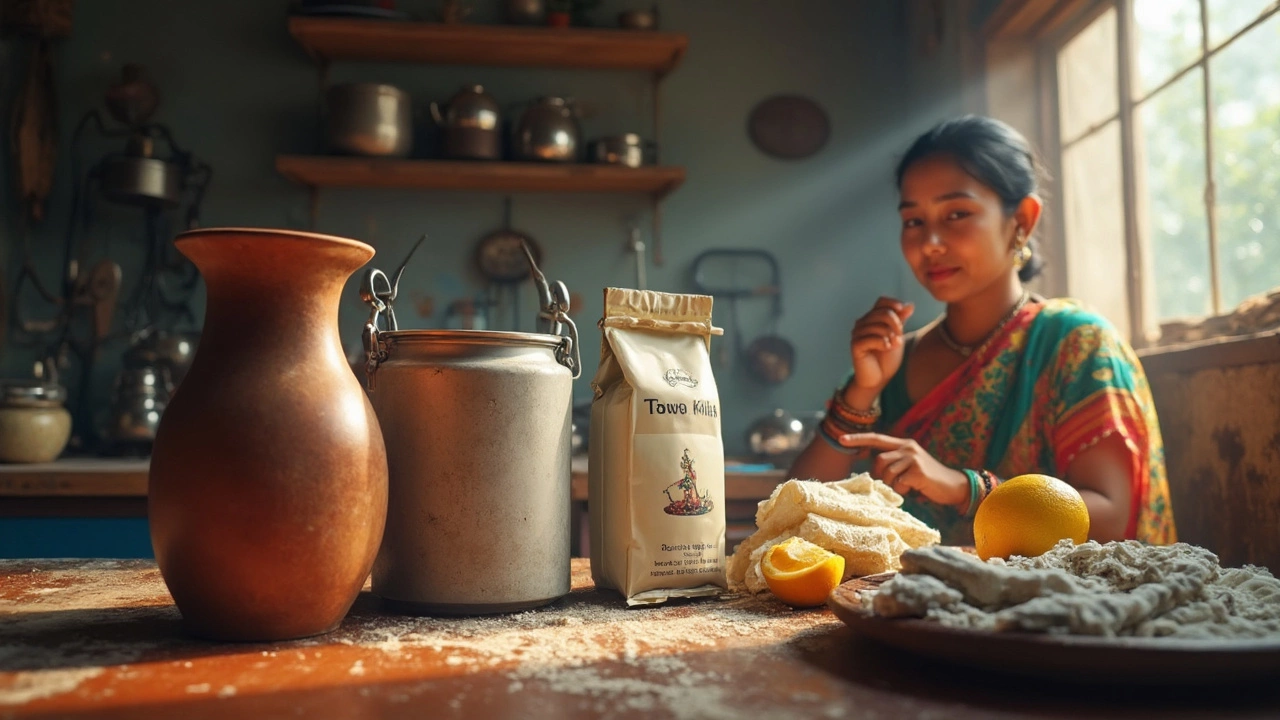
Which Milk Is Preferred for Paneer Making? The Ultimate Guide for Homemade Paneer Fans
Confused about which milk to use for making paneer at home? This article breaks down the differences between cow, buffalo, and packaged milk so you can choose the right one for the texture and taste you love. Get real tips, discover surprising results from different types of milk, and learn how to handle common milk issues. Whether you want crumbly, soft, or firm paneer, here’s everything you need to know to avoid disappointment and get delicious, fresh results every time.
View More