Lentils: The Protein-Packed Superfood at the Heart of Indian Meals
When you think of Indian food, you might picture spicy curries or buttery naan—but the real backbone of most meals is something quieter, simpler, and far more essential: lentils, a group of small, nutrient-dense legumes that form the foundation of daily eating across India. Also known as dal, they’re cooked into soups, stews, and side dishes that feed families from Delhi to Chennai. Unlike fancy dishes that show up on restaurant menus, lentils are what people eat every single day—no celebration needed.
There’s more than one kind of lentil in India. moong dal, made from split yellow mung beans, is light, easy to digest, and often served to kids and elders. masoor dal, the reddish-orange kind, cooks fast and has a slightly earthy taste that pairs perfectly with rice. Then there’s toor dal, the heart of sambar, a tangy vegetable stew that’s the soul of South Indian lunches. Each type has its own texture, flavor, and cultural role—but they all share one thing: they’re packed with protein, fiber, and iron, and they cost next to nothing.
Lentils don’t need fancy ingredients to shine. A pinch of cumin, a garlic clove, a splash of lemon, and a drizzle of ghee are often all it takes to turn plain dal into something comforting and deeply satisfying. You’ll find them in breakfasts like moong dal chilla, in lunches alongside rice and roti, and even as snacks in the form of crispy lentil fritters. And because they’re naturally low in fat and high in fiber, they’re the reason many Indians eat less sugar and fewer processed foods than you’d expect.
What’s surprising is how often lentils show up in the healthiest Indian dishes. If you’ve ever wondered why tandoori chicken or idli are considered nutritious, it’s often because they’re served with a side of dal. It’s the quiet partner that balances spice, adds protein, and keeps meals filling without weighing you down. You won’t find a single traditional Indian meal that leaves out lentils entirely—not in the north, not in the south, not even in the most modern kitchens.
Below, you’ll find real recipes, smart comparisons, and honest tips on how to cook lentils the Indian way—whether you’re making a quick weeknight dal or trying to nail the perfect fermented batter for a lentil-based snack. No fluff. No theory. Just what works, day after day, in homes across India.
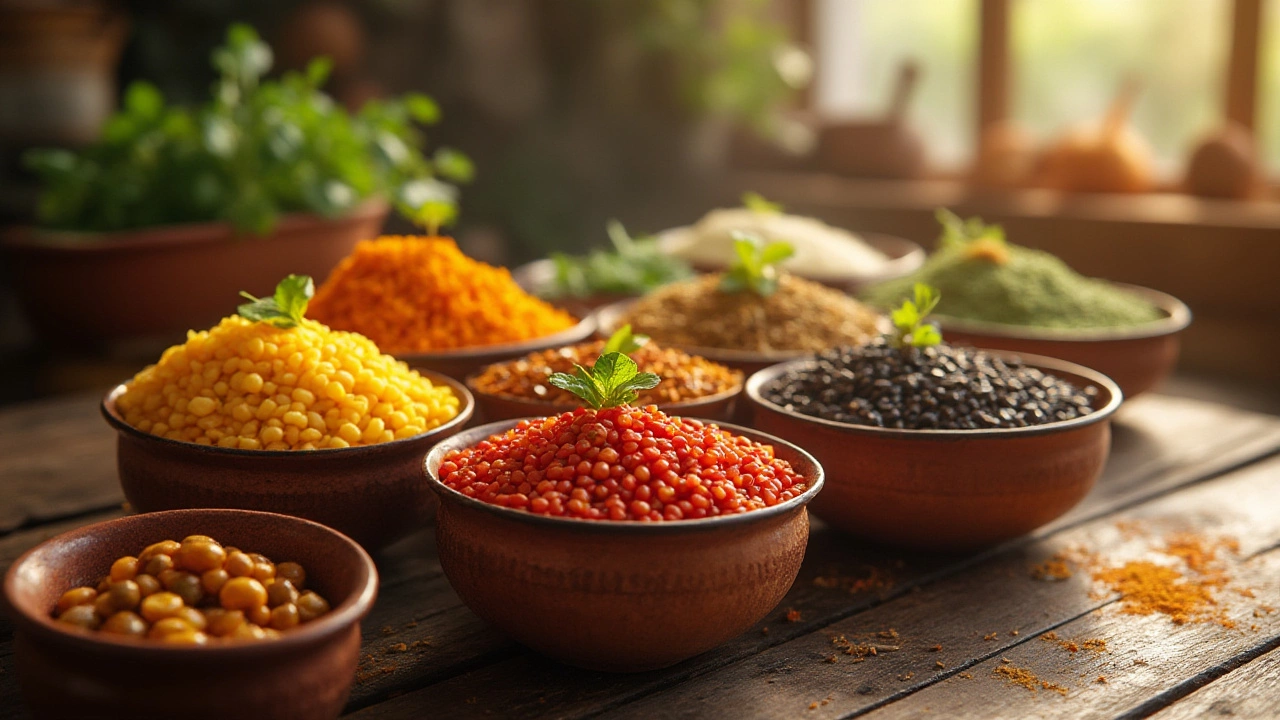
What is Dal Called in English? Guide to Indian Lentils & Pulses
Wondering what 'dal' is in English? Dive into the meaning, types, nutrition, and fun facts about Indian dal, from lentils to split peas and more.
View More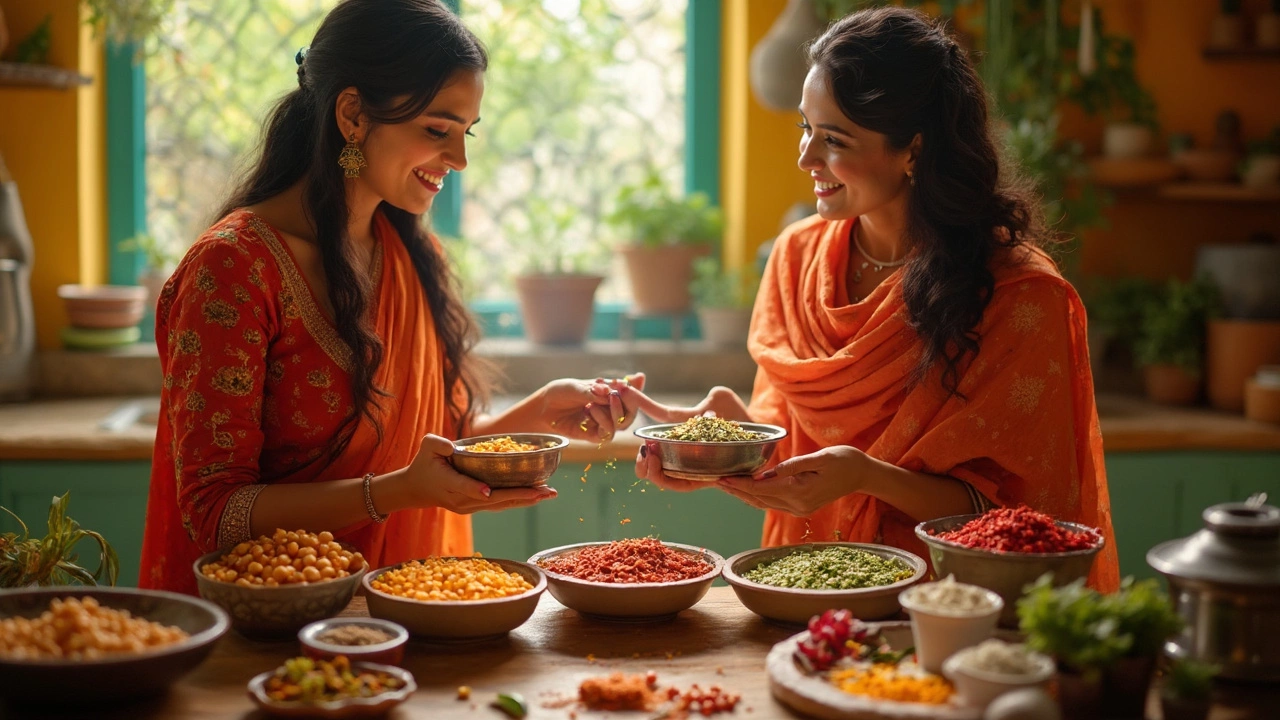
Chickpeas or Lentils: Which Dal Is Better For You?
Trying to decide between chickpeas and lentils for your next dal? This article digs into the real nutritional benefits and taste differences between the two. You'll get easy-to-understand facts about protein, fiber, and how each fits in daily meals. Plus, find cooking tips and quick recipe ideas that make them perfect for a busy day. Get ready to finally know which one works better for your health goals and your kitchen.
View More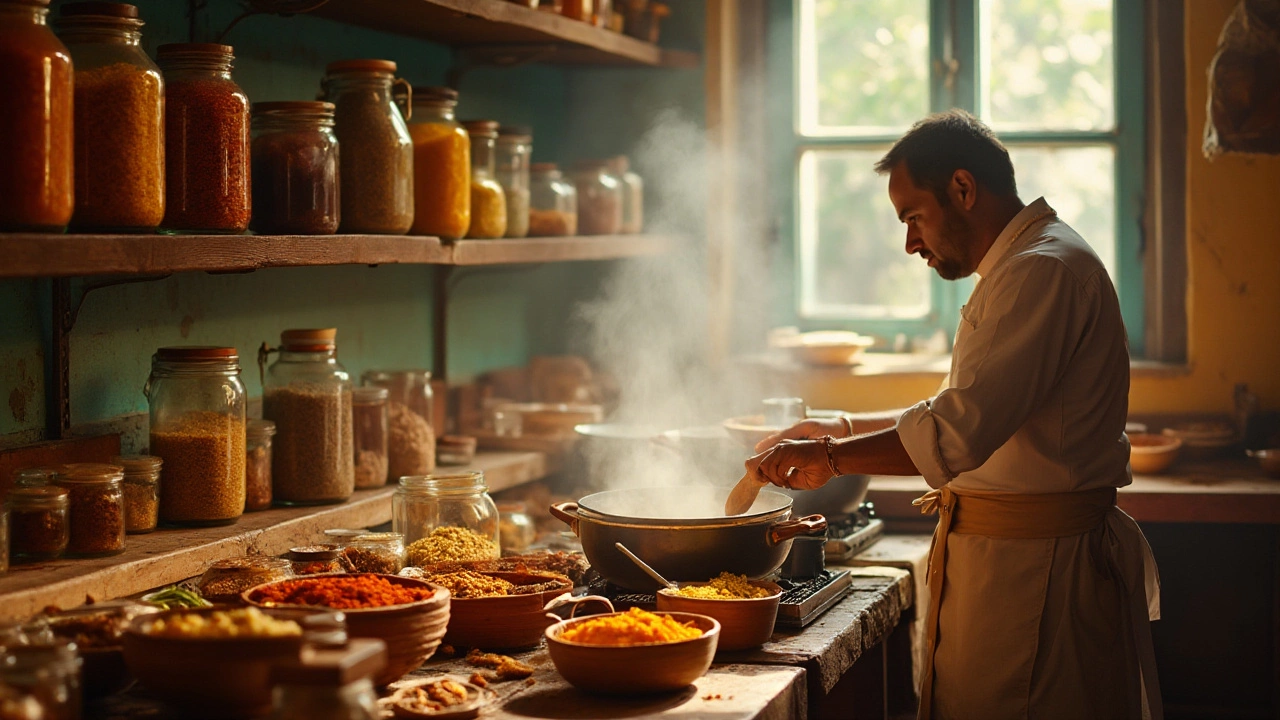
Discovering the American Name for Dal: A Simple Recipe Guide
Americans often refer to 'dal' as lentils, a staple legume in Indian cuisine known for its rich flavor and nutritional benefits. This article explores the various types of dal recognized in American households, how it integrates into Western dishes, and provides a simple yet delicious dal recipe. Whether reimagined in a soup or served as a hearty side dish, dal has gained popularity in American cooking. Readers will gain insights into preparing dal to suit diverse palates.
View More