Lentil Substitutes: Best Alternatives for Indian Cooking
When you need a lentil substitute, a protein-rich food that mimics the texture and nutritional profile of lentils in Indian meals. Also known as dal alternatives, it’s often used when lentils are out of stock, too expensive, or you’re simply mixing things up. The truth is, Indian kitchens have always used smart swaps—whether it’s because of seasonal shortages, dietary needs, or just curiosity. You don’t need lentils to make a hearty, satisfying meal. Many traditional dishes rely on other legumes, grains, or even vegetables to deliver the same comfort and protein punch.
One of the most common dal alternatives, foods used in place of lentils in Indian curries and stews is chickpeas. Split chickpeas (chana dal) are already a staple in many regions, but whole chickpeas work just as well in soups or khichdi. They hold their shape, soak up spices beautifully, and give you nearly the same fiber and iron as red lentils. Then there’s black-eyed peas, a legume often used in South Indian and Bengali cooking as a lentil replacement. They’re slightly chewier, but their mild flavor makes them perfect for masalas. Even split peas, a close relative of lentils often found in North Indian households can be swapped in for yellow or green lentils—just cook them a little longer. And if you’re going dairy-free or vegan, you’ll find that soy chunks, a high-protein, textured plant-based ingredient used in Indian vegetarian dishes can mimic the bite of lentils in curries, especially when rehydrated and spiced well.
It’s not just about swapping one bean for another. Indian cooking thrives on flexibility. If you’re out of masoor dal, use moong dal. If you don’t have chana dal, try rajma. Even rice, when cooked with spices and tempered with mustard seeds and curry leaves, can become a protein-rich base—think khichdi without lentils, or a simple rice-and-veggie porridge. The key isn’t finding a perfect copy of lentils, but finding something that fits the meal’s rhythm. You want something that absorbs spice, holds up to simmering, and keeps you full. That’s what matters more than the name on the bag.
And if you’re watching your carbs or trying to cut down on legumes, don’t overlook vegetables like cauliflower, eggplant, or even mushrooms. When roasted and spiced, they bring depth and substance to a dish. Add a spoonful of peanut butter or ground sesame paste to thicken and enrich the sauce, and you’ve got a meal that feels complete. No one in India ever waited for lentils to cook dinner. They worked with what they had—and so can you.
Below, you’ll find real recipes and tips from Indian kitchens that show how to replace lentils without losing flavor, texture, or nutrition. Whether you’re cooking for a family, meal prepping, or just experimenting, these swaps have been tested in homes across the country—not in a lab, but in real kitchens, with real hunger.
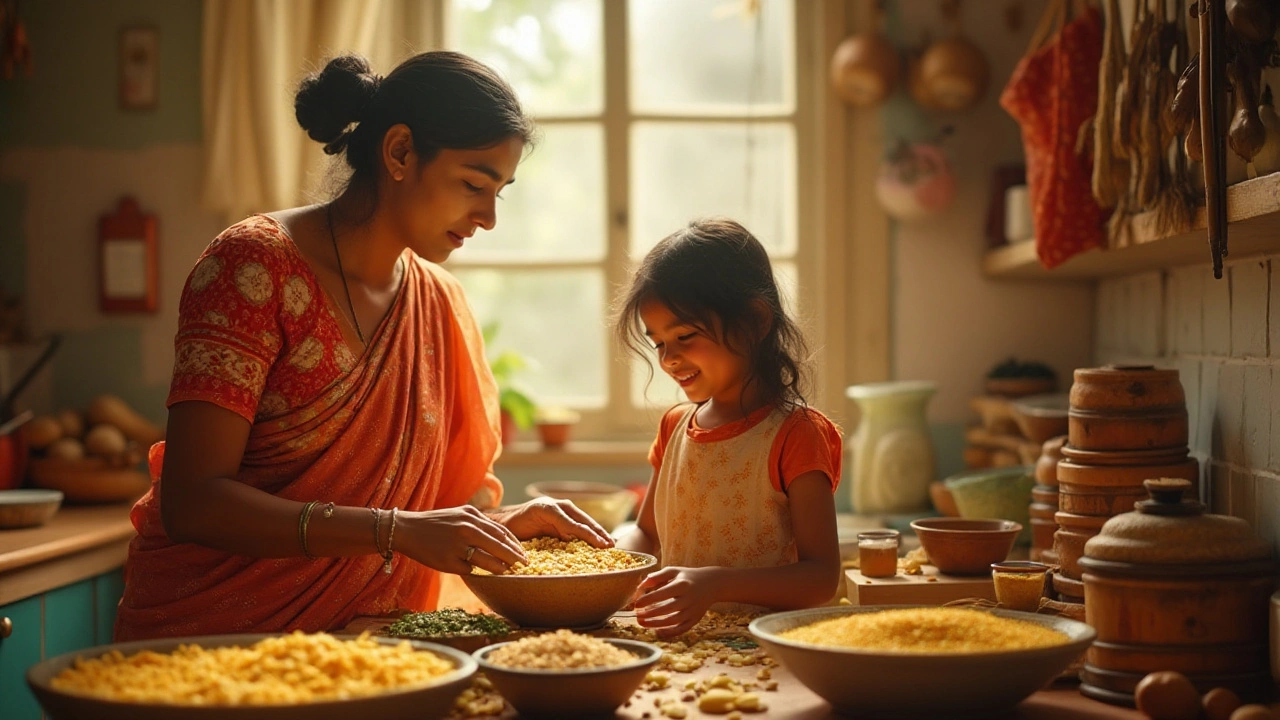
Explore Urad Dal Alternatives for Delicious Dosa Batter
Crafting the perfect dosa batter without urad dal can be a delightful culinary adventure. Discover various substitutes such as split moong dal, masoor dal, and toor dal, which can offer unique flavors and textures to your dosa. Learn tips on adjusting soaking times, grinding techniques, and fermenting practices to perfect your dosa batter. Embrace ingredient flexibility while maintaining the crispy and soft texture of your favorite dish. Elevate your dosa-making skills with these easy and accessible substitutes.
View More