Lentil Nutrition: Protein, Fiber, and Health Benefits Explained
When you think of lentils, a small, nutrient-dense legume that’s been a staple in Indian kitchens for thousands of years. Also known as dal, it’s not just comfort food—it’s one of the most efficient plant-based sources of protein and fiber you can eat daily. Unlike fancy superfoods that cost a fortune, lentils are cheap, shelf-stable, and packed with what your body actually needs: slow-digesting carbs, iron, folate, and magnesium—all without the saturated fat found in meat.
Why does this matter? Because over 80% of Indian households eat lentils at least once a day, not because it’s trendy, but because it works. A single cup of cooked lentils gives you nearly 18 grams of protein—more than an egg, and without the cholesterol. It also delivers 15 grams of fiber, which keeps you full longer, stabilizes blood sugar, and feeds the good bacteria in your gut. That’s why doctors and dietitians in India often recommend dal as the first food for kids, seniors, and anyone recovering from illness. It’s gentle on the stomach but tough on nutrient gaps.
And it’s not just about protein and fiber. Lentils are naturally low in fat and have zero sodium unless you add it. They’re also rich in polyphenols—plant compounds that fight inflammation. That’s why people who eat dal regularly report fewer digestive issues, better energy levels, and even improved skin. You won’t find a single Indian recipe that treats lentils as an afterthought. Whether it’s masoor dal in Punjab, toor dal in Tamil Nadu, or chana dal in Gujarat, every region has perfected how to cook them for maximum nutrition and flavor.
What you won’t find in most blogs is how lentils interact with other staples. When paired with rice or roti, they form a complete protein—something vegans and vegetarians rely on. Fermented versions like idli batter use lentils alongside rice to boost digestibility. Even the spice blends used in dal tadka—cumin, turmeric, mustard seeds—aren’t just for taste; they help your body absorb the iron better. This isn’t magic. It’s traditional science.
So if you’re wondering why lentils keep showing up in every healthy Indian dish—from breakfast poha to lunchtime dal to evening snacks—it’s because they’re the quiet hero of the kitchen. No fancy packaging. No marketing hype. Just pure, reliable nutrition that’s stood the test of time. Below, you’ll find real posts that break down exactly how lentils fit into daily meals, what science says about their health impact, and how to cook them so they’re never boring.
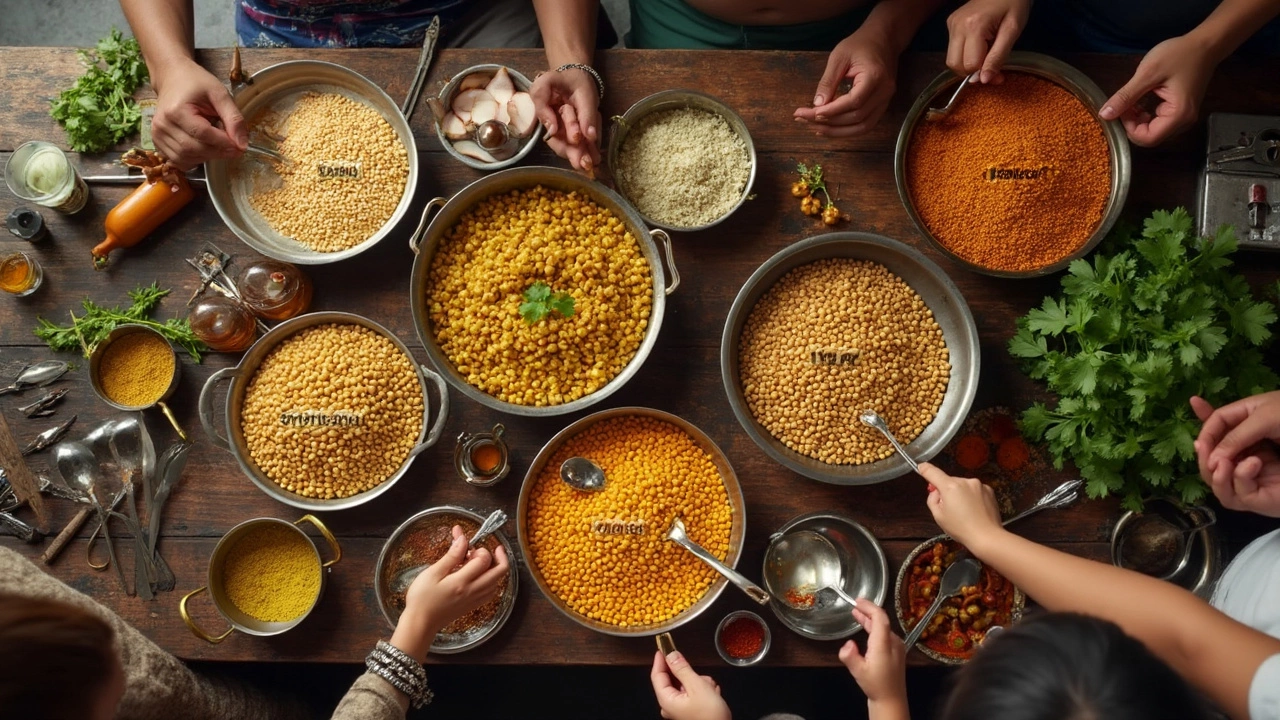
Which Dal Has the Highest Protein? The Ultimate Guide for Simple Dal Recipes
Curious about which dal delivers the most protein to your plate? This guide breaks down the top contenders, using straight facts and zero fluff. Find out why protein matters in dal, how different dals stack up, and which ones work best for tasty, easy recipes. Plus, get savvy tips for boosting your daily protein using simple, affordable ingredients. Perfect for anyone looking to add more muscle power to their vegetarian meals.
View More