Lentil Cooking Tips: Easy Ways to Perfect Your Dal Every Time
When you cook lentils, a staple protein-rich legume in Indian households. Also known as dal, it's the backbone of countless meals across India—from simple everyday dinners to festive feasts. Yet, so many people end up with mushy, bland, or gassy lentils—not because the recipe is wrong, but because they skip the small but critical steps that make all the difference.
It’s not just about boiling them in water. soaking lentils, a simple 30-minute step that reduces cooking time and improves digestibility. Also known as pre-soaking, it helps break down phytic acid, which can cause bloating and slow nutrient absorption. Skip this, and you’ll pay for it later. Then there’s tempering, the process of frying spices like cumin, mustard seeds, and dried chilies in hot oil to unlock their flavor. Also known as tadka, it’s what turns plain dal into something unforgettable. A good tadka doesn’t just add taste—it adds aroma, color, and depth that you can’t get from spices stirred in at the end.
And don’t forget the water ratio. Too much water? Your dal turns to soup. Too little? It burns or stays hard. Most Indian cooks use a 1:3 ratio for red lentils (masoor dal), but for whole green or brown lentils (moong or toor), it’s closer to 1:4. And never add salt until the end—adding it early toughens the skin and keeps them from softening properly. That’s why your dal might taste underseasoned even when you’ve dumped in the spices—it’s not the spice, it’s the timing.
Some people swear by adding a pinch of baking soda to speed up cooking. But that’s a trick for emergencies. It can destroy B vitamins and leave a soapy aftertaste. Better to soak longer or use a pressure cooker. Speaking of pressure cookers, if you’re using one, 3 whistles is usually enough for split lentils. Whole lentils? 5 to 6. Let the steam escape naturally after cooking—rushing it makes lentils uneven.
What about the foam? That white scum on top when you boil lentils? Don’t skim it off thinking it’s dirt. That’s just protein and starch rising to the surface. Skimming it wastes flavor. Just rinse the lentils well before cooking, and you’ll be fine.
And if you’re making dal for kids or someone with a sensitive stomach, try moong dal, the gentlest lentil, easy to digest and often used in baby food. Also known as yellow split mung beans, it’s naturally sweet and cooks fast. Pair it with a light tadka of turmeric and cumin, and you’ve got comfort in a bowl.
Every post in this collection is built around real, tested methods used in homes across India—not restaurant tricks or food blog fluff. You’ll find how to fix grainy dal batter, why some lentils need more water than others, how to store cooked dal without losing texture, and which spices work best with each type. Whether you’re new to cooking lentils or you’ve been making dal for years, there’s something here that’ll make your next pot better than the last.
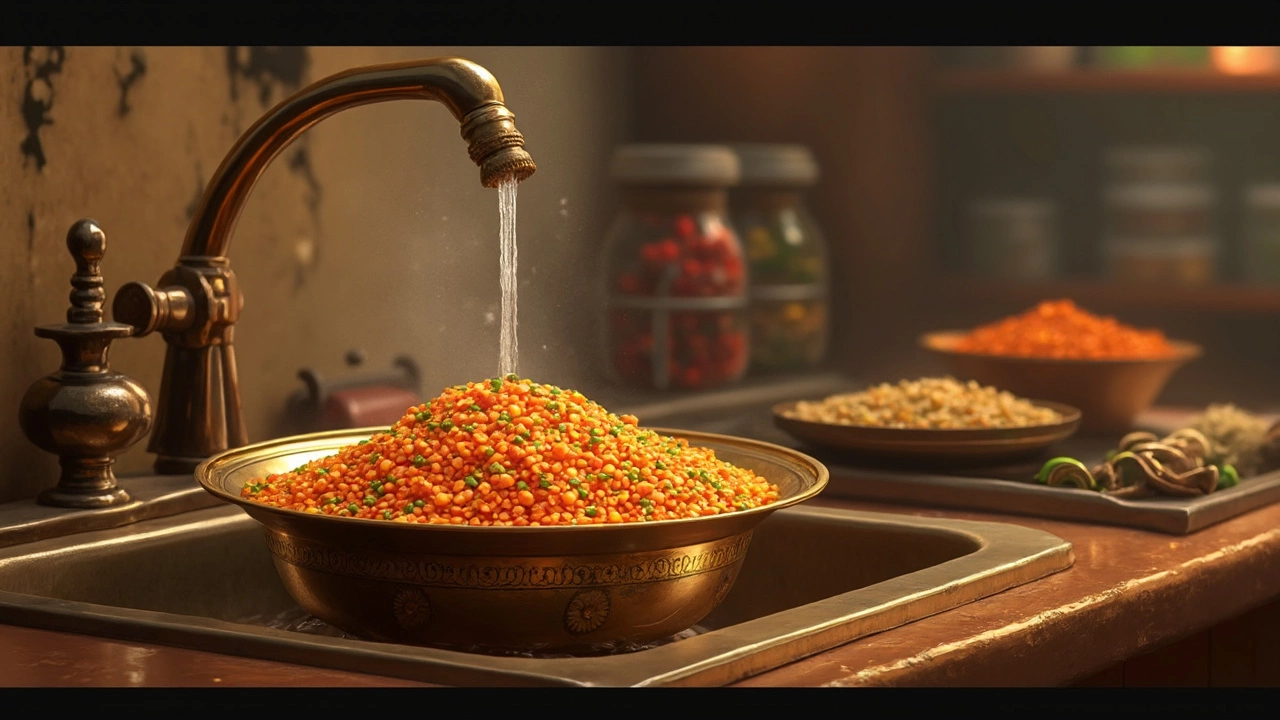
Why You Shouldn't Skip Rinsing Lentils
Rinsing lentils is essential to ensure they are clean and free from debris before cooking. Skipping this step can lead to gritty textures and unwanted dirt in your dish. Rinsing also reduces compounds that cause digestive discomfort, making your meal more enjoyable. This process is quick and makes a real difference in flavor and texture. Don't overlook this small but crucial step when making your favorite dal.
View More