Kheer History: The Ancient Origins of India's Oldest Sweet Dish
When you think of kheer, a creamy rice pudding made with milk, rice, and sugar, often flavored with cardamom and saffron. Also known as payasam, it is one of the most enduring desserts in Indian culinary history. This isn’t just a sweet treat—it’s a dish woven into temple offerings, wedding feasts, and family gatherings for over a thousand years. Unlike modern desserts that come and go, kheer has stayed the same in spirit, even as ingredients and methods shifted across regions.
Kheer’s roots stretch back to ancient India, long before sugar was common. Early versions used jaggery, coconut milk, or even crushed grains like barley. It’s mentioned in Vedic texts as a ritual offering, and historical records from the Mughal courts show royal chefs perfecting it with saffron and nuts. In South India, it’s called payasam and often made with vermicelli or lentils. In the North, it’s slow-cooked for hours until the milk thickens into silk. The same dish, different names, same soul. What ties them all together? A belief that food cooked with patience carries blessings.
Why does kheer still matter today? Because it’s not about taste alone—it’s about memory. Grandmothers made it during festivals. Mothers made it when someone was sick. It’s the first dessert many Indian children ever tasted. Even now, when you smell cardamom simmering in milk, you’re smelling centuries of tradition. You’re not just eating dessert—you’re tasting history.
And that’s why the posts below dive deep into kheer’s story. You’ll find the oldest known recipes, regional twists from Kerala to Punjab, how it’s made in temples versus kitchens, and why some families still use clay pots instead of stainless steel. You’ll also see how kheer connects to other ancient Indian sweets—and why it’s still the most trusted dessert when you want to honor tradition.
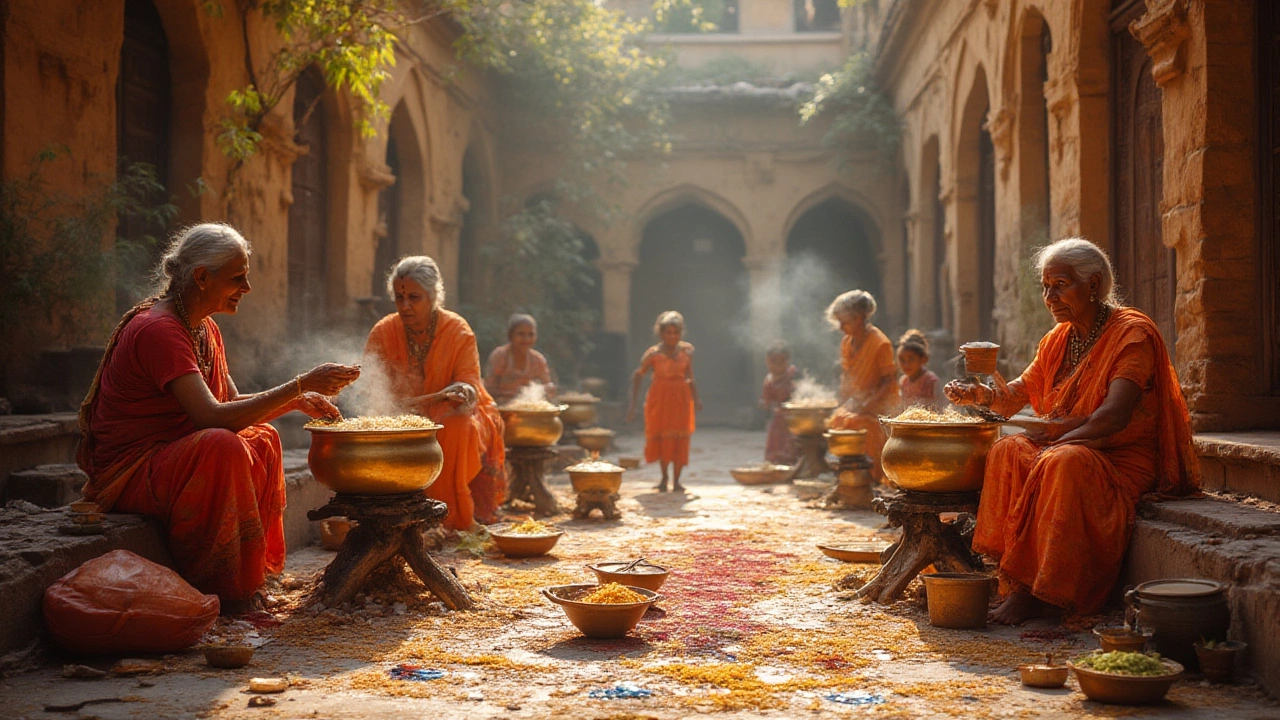
Tracing the Sweet Origins: Discovering the Oldest Indian Dessert in History
Curious about the oldest known dessert of India? Delve into the history, fascinating facts, and timeless recipes that shaped Indian sweets.
View More