Jainism Vegetarian: What It Really Means and How It Shapes Indian Food
When people talk about Jainism vegetarian, a dietary practice rooted in the ancient Indian religion of Jainism that avoids all forms of harm to living beings, including microorganisms and root vegetables. Also known as Jain diet, it goes far beyond simply avoiding meat—it’s one of the strictest forms of vegetarianism in the world. Unlike standard lacto-vegetarian diets, Jainism vegetarian excludes not just eggs and meat, but also onions, garlic, potatoes, carrots, and other root crops because harvesting them kills the plant and potentially harms tiny life forms in the soil. Even dairy is a gray area—many Jains avoid it entirely because of concerns about how cows are treated in modern farming, making it distinct from typical Indian vegetarianism that relies heavily on milk, ghee, and paneer.
This way of eating isn’t just about food—it’s tied to ahimsa, the core Jain principle of non-violence that extends to every living thing, from insects to plants. Also known as non-harming, it shapes every meal choice, from what’s grown to how it’s prepared. That’s why you’ll find Jain households using ginger, turmeric, and green chilies—but never garlic or shallots. Their kitchens are filled with lentils, rice, leafy greens, fruits, and nuts, all carefully washed and filtered to remove unseen organisms. This level of care means Jain vegetarian meals often overlap with dairy-free Indian dishes, meals made without milk, ghee, or paneer to respect both ethical and physical purity. Also known as Jain vegan, this style avoids even the subtle exploitation tied to dairy production. It’s not about trend or health—it’s about conscience.
What you’ll find in the posts below isn’t a list of recipes—it’s a window into how Jainism vegetarian influences real Indian cooking. You’ll see how people eat without dairy, avoid root vegetables, and still create rich, satisfying meals. You’ll learn why certain Indian snacks are off-limits, how traditional dishes like khichdi can be adapted, and what makes a dish truly Jain-compliant. There’s no sugar-coating here—just clear, practical truths about what’s allowed, what’s not, and how millions live by these rules every day.
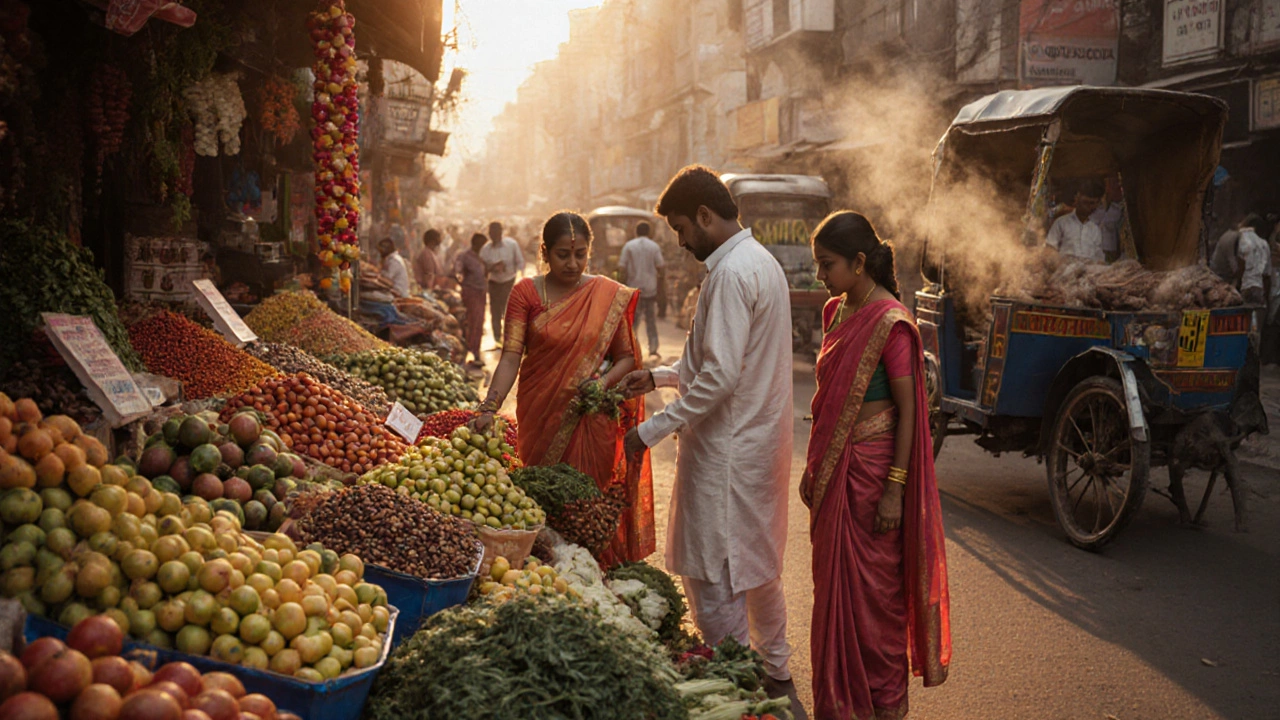
India’s Most Vegetarian Religion: A Deep Dive
Explore which Indian faith leads the nation’s vegetarian count, why Jainism tops the list, and how religion shapes daily meals and market trends.
View More